
Little Eden Cay, Nicaragua

Inquiries for this property have been suspended until further notice. Please contact legal@privateislandsinc.com for details.

A personal paradise...

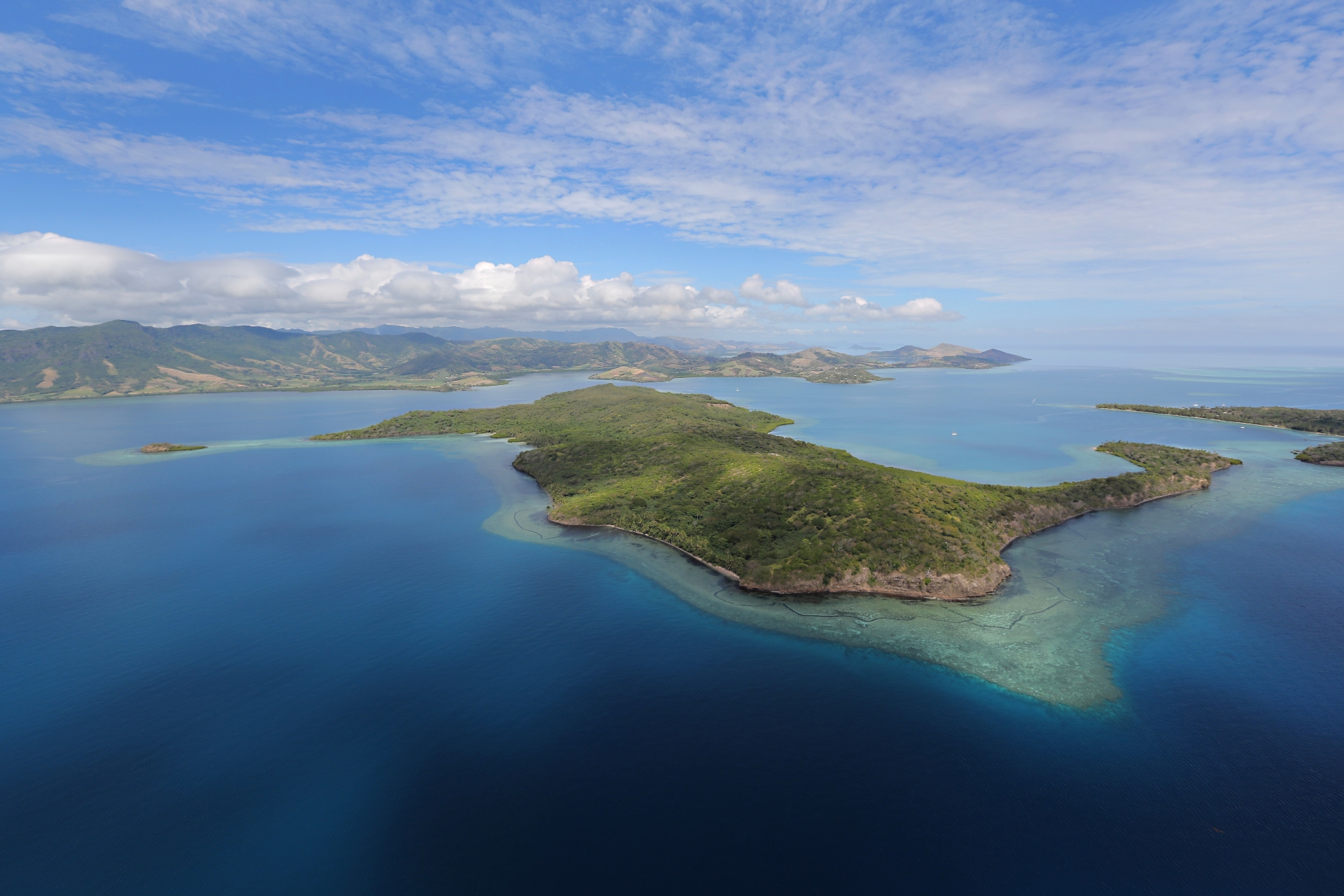
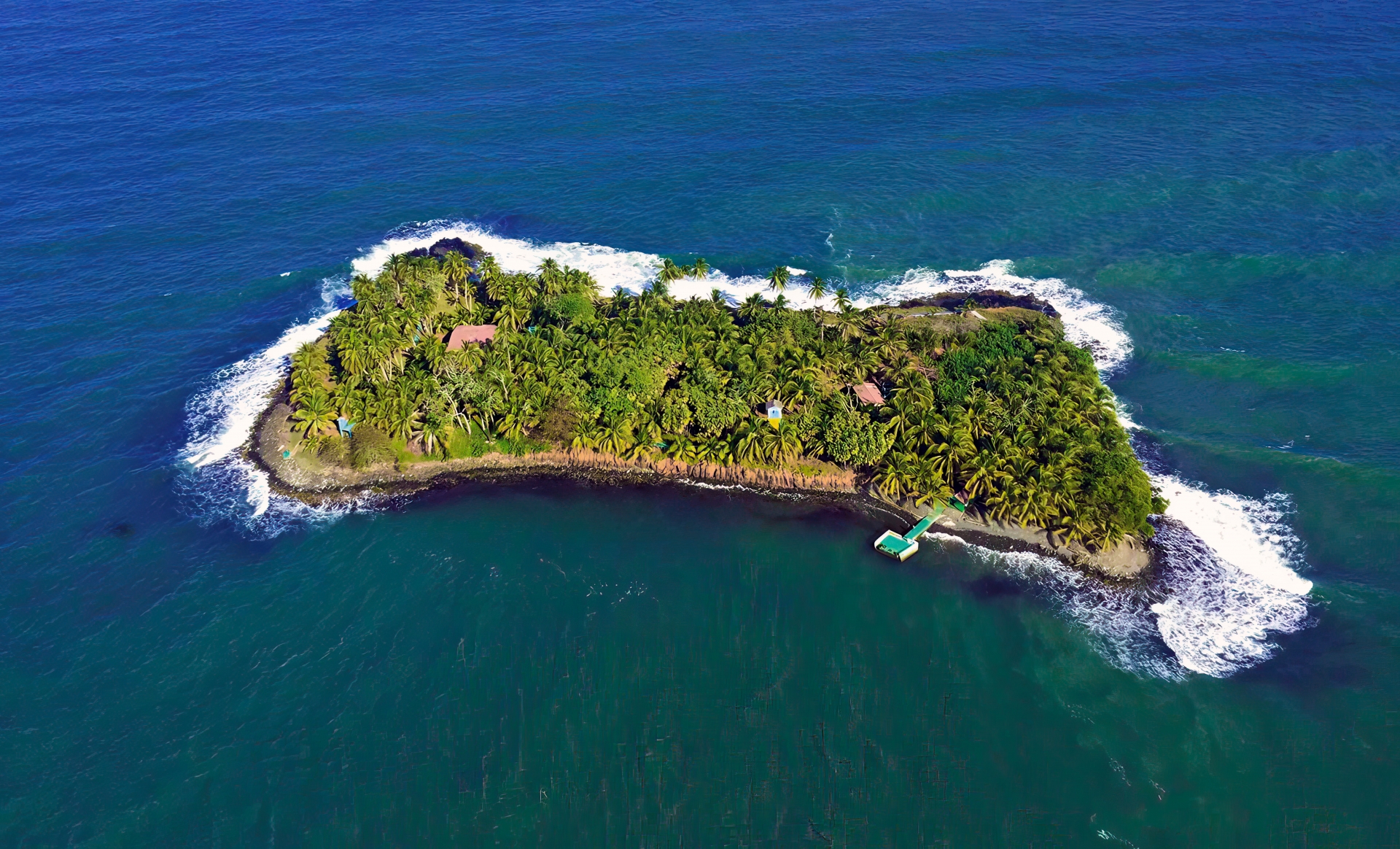
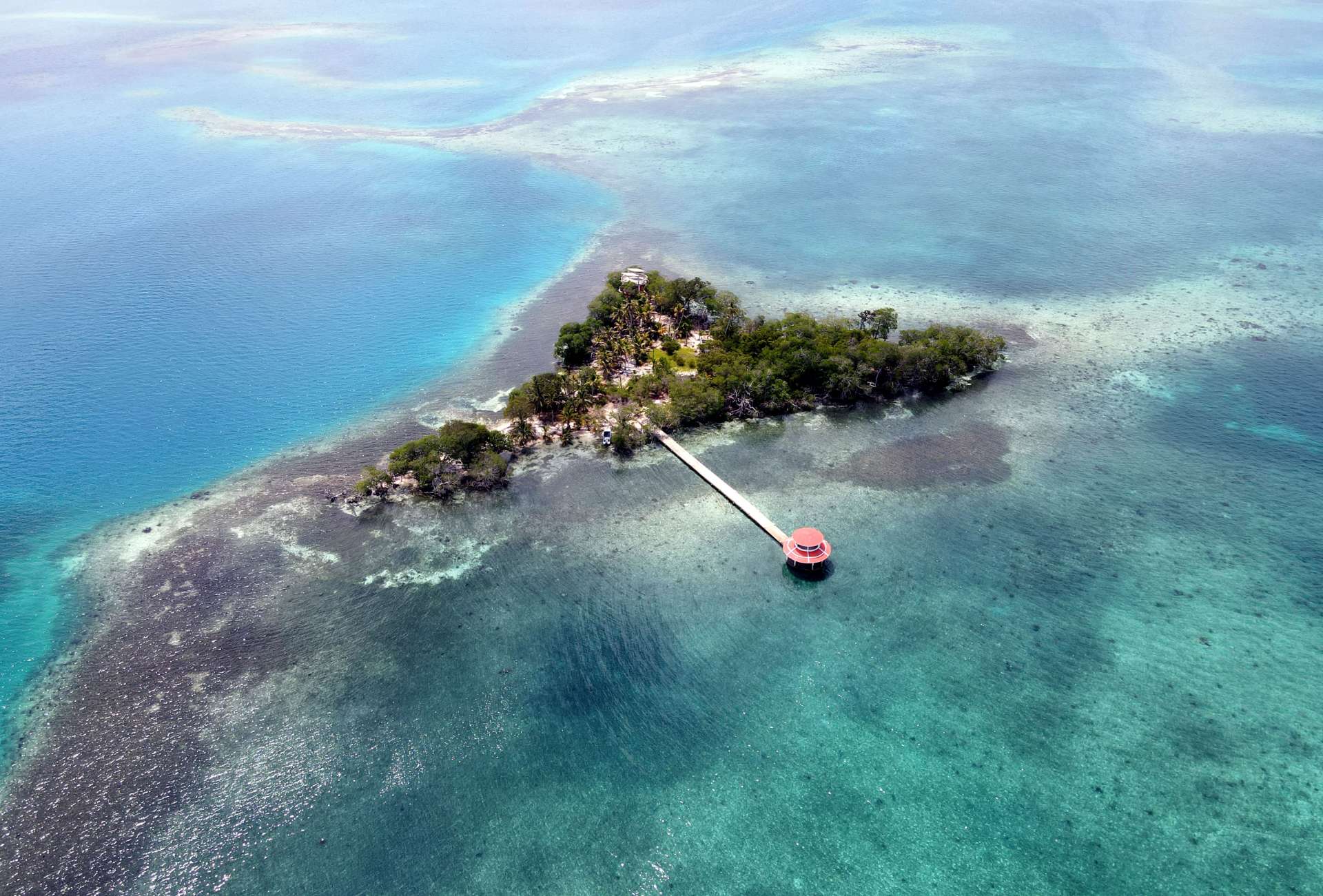
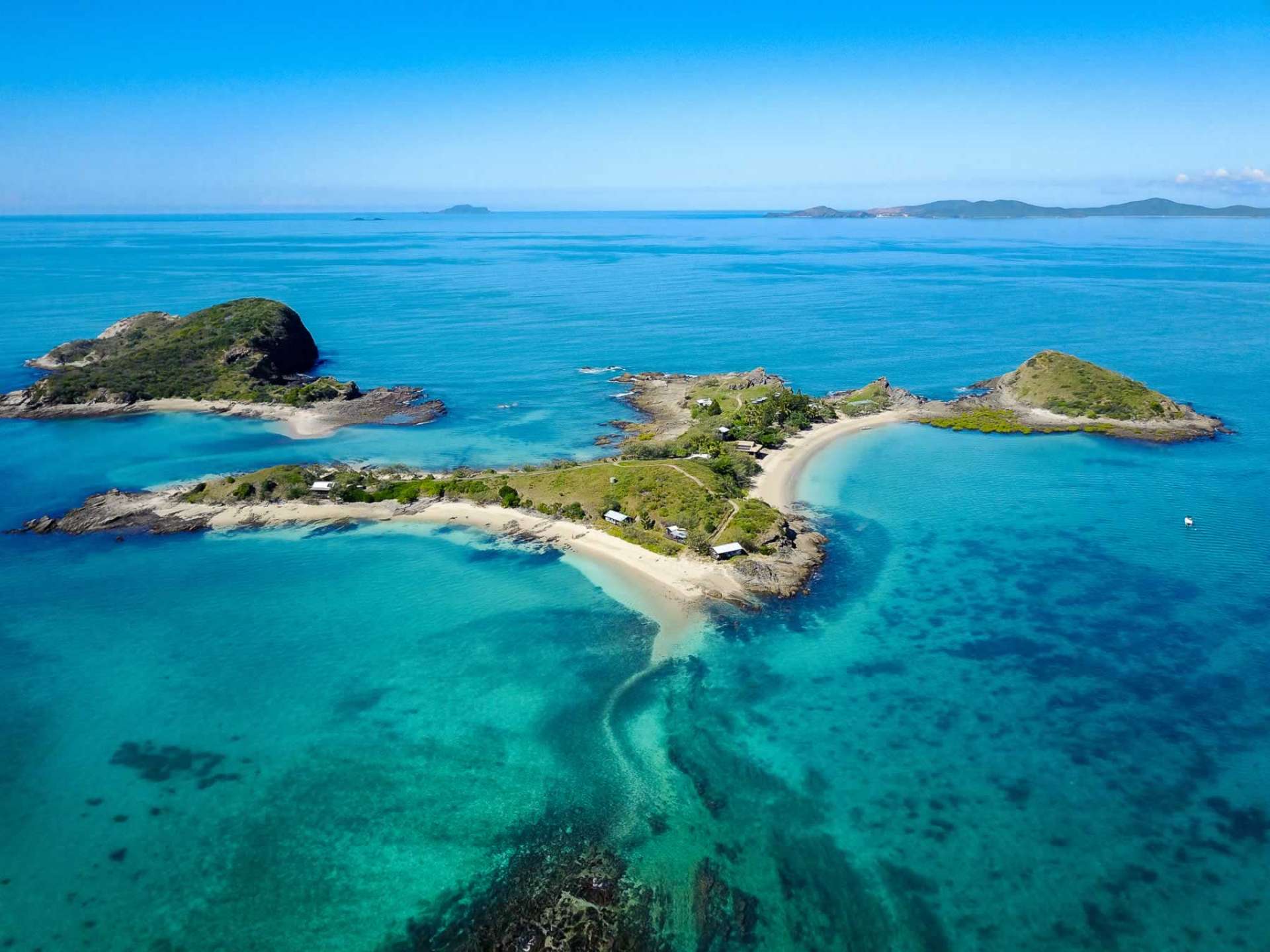
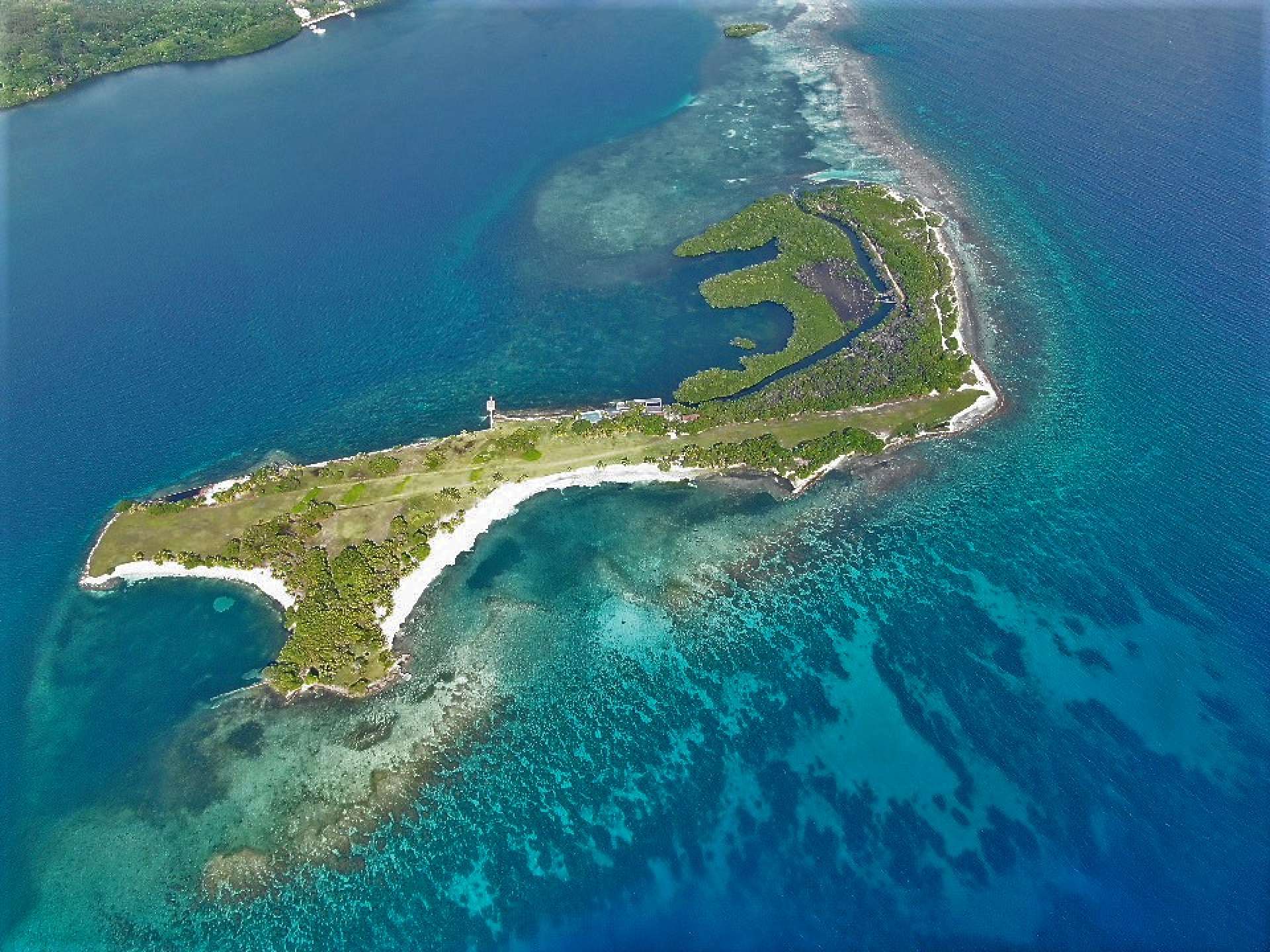
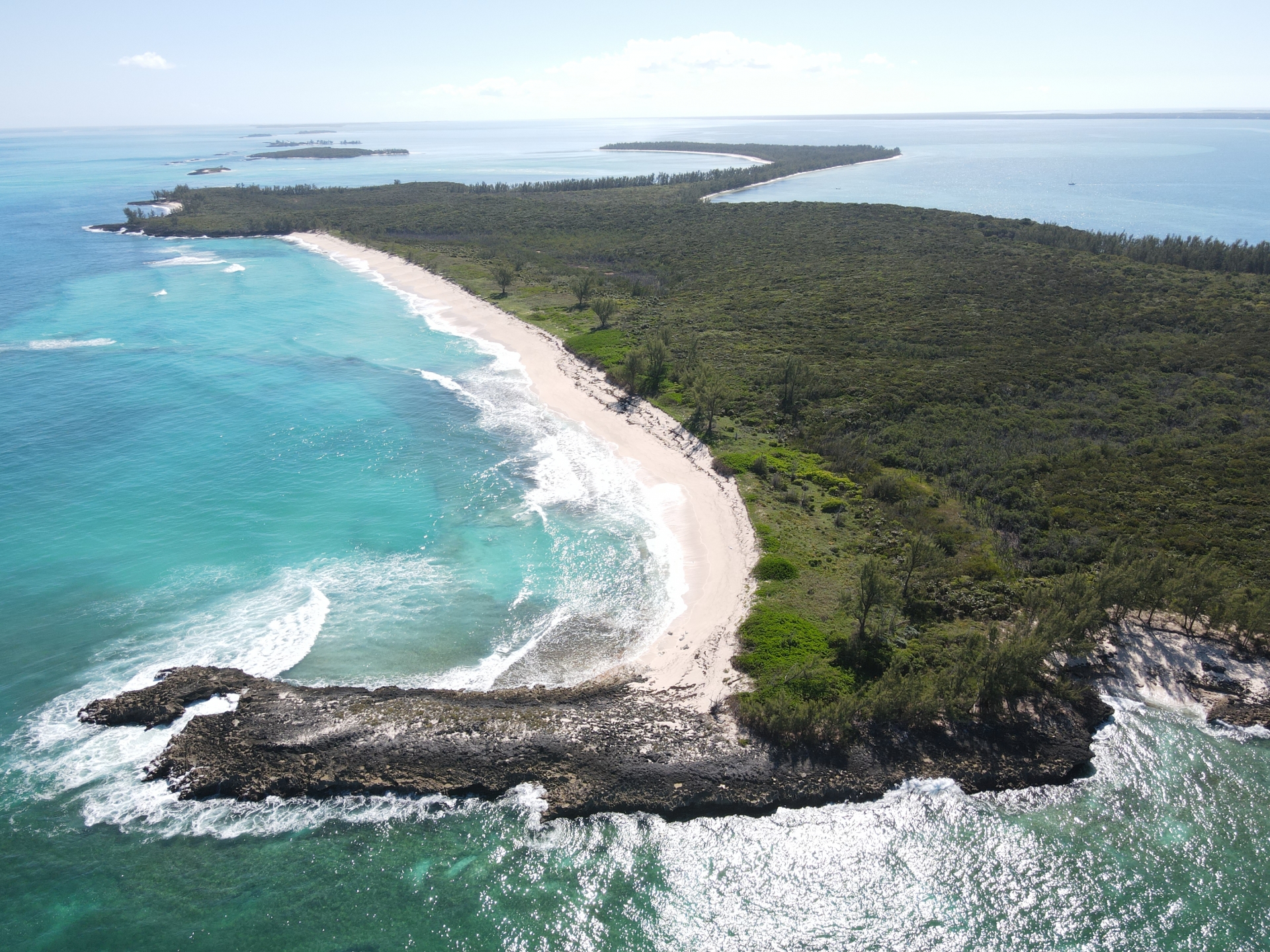
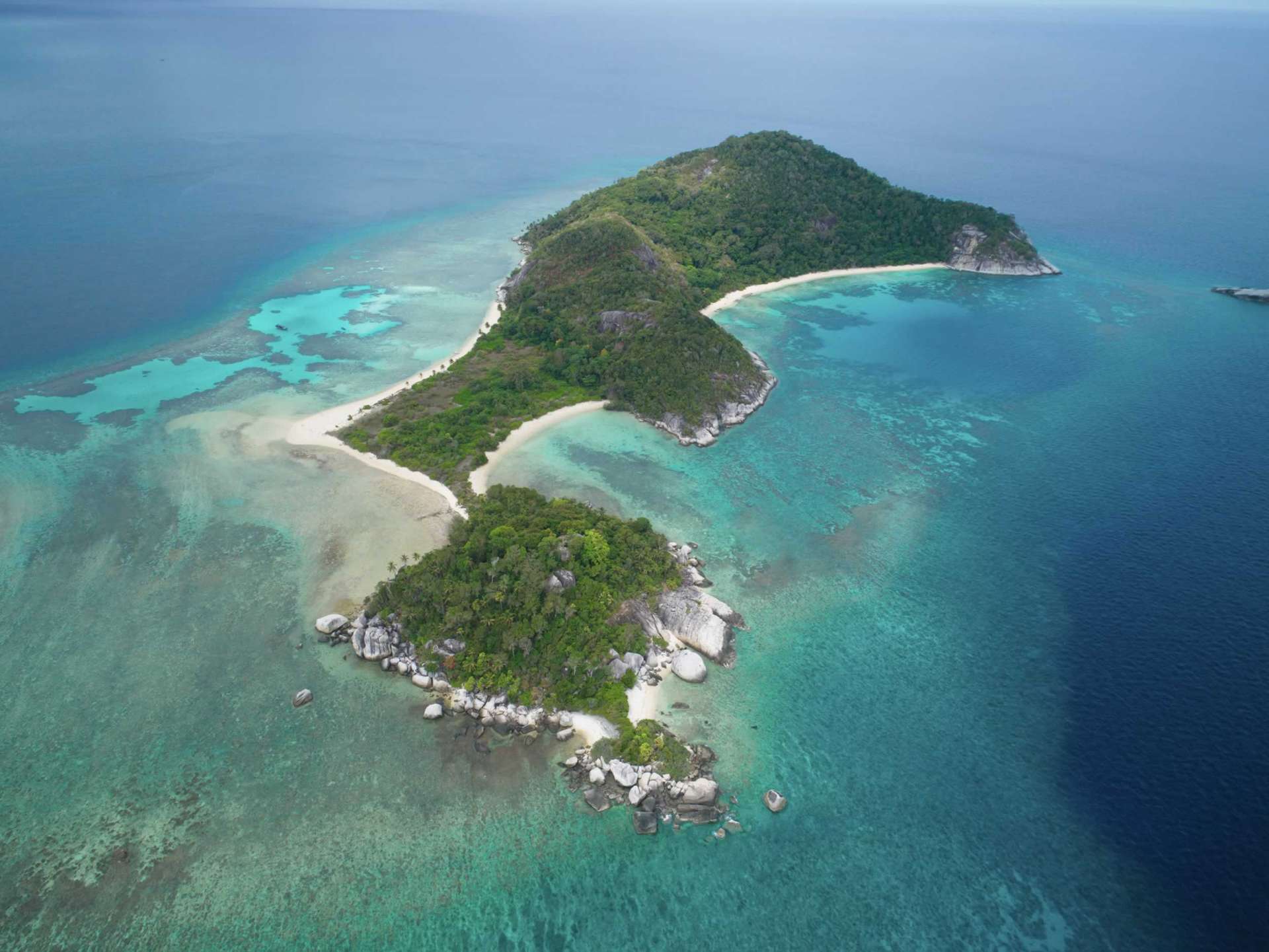
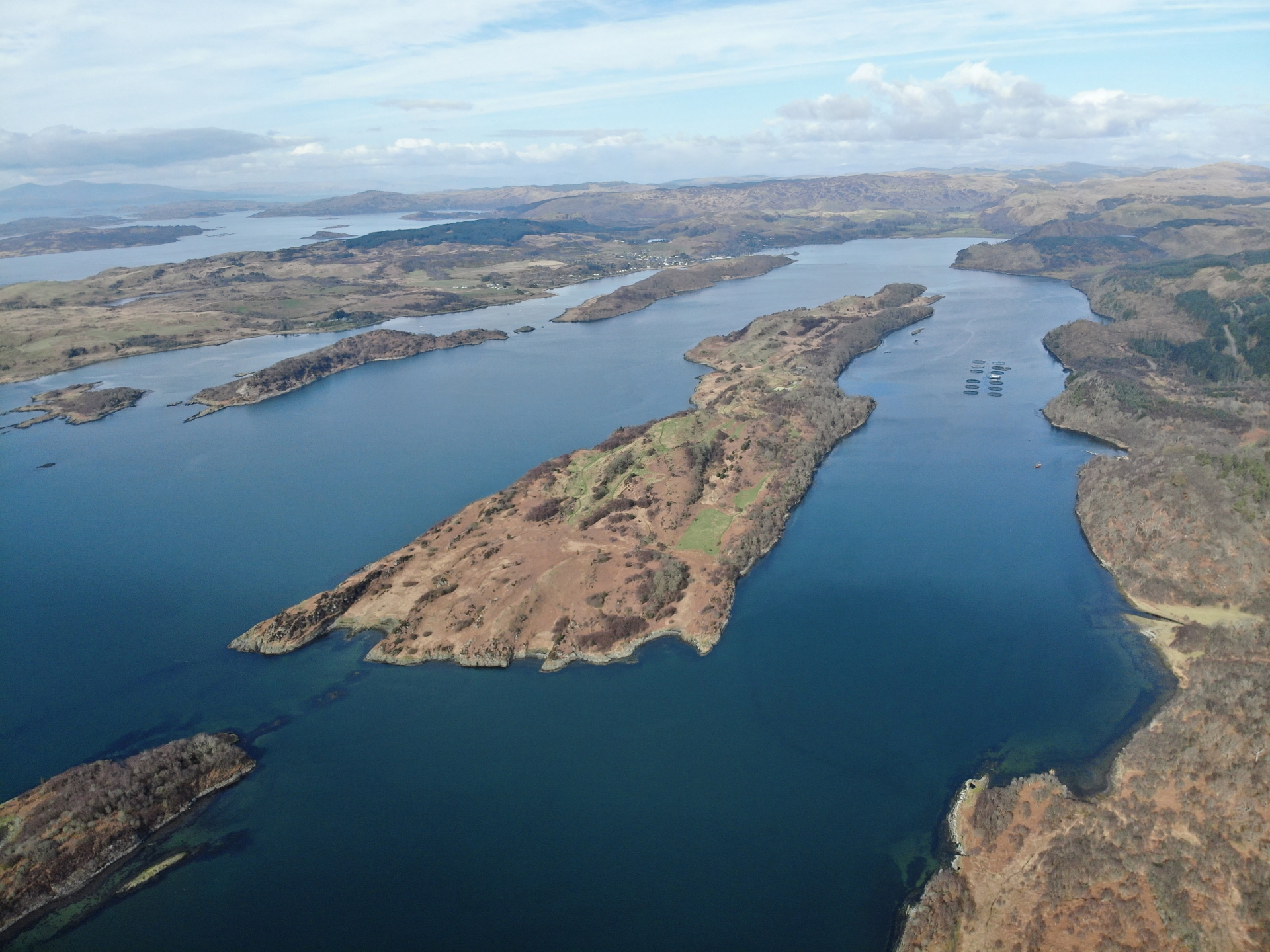
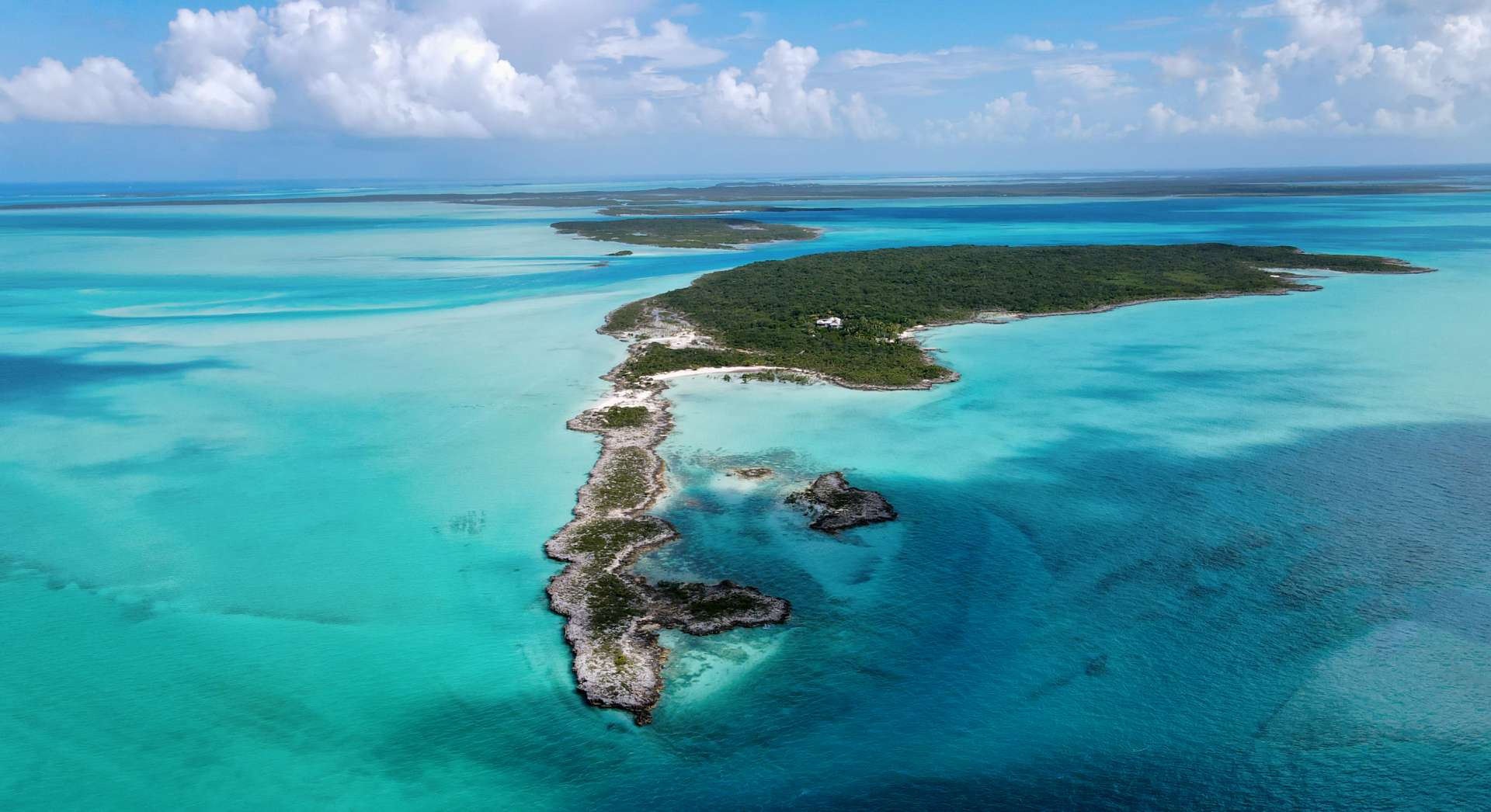
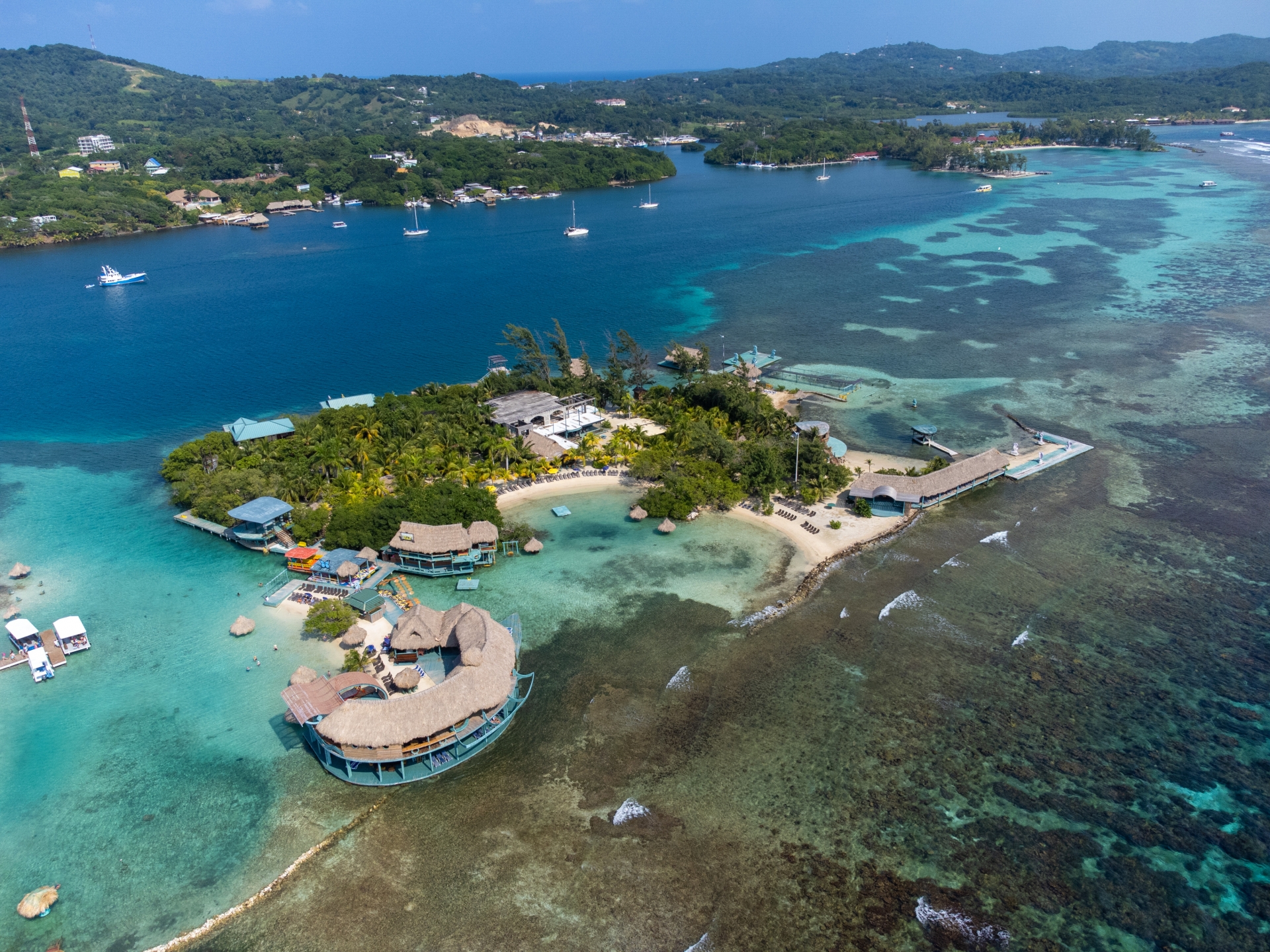
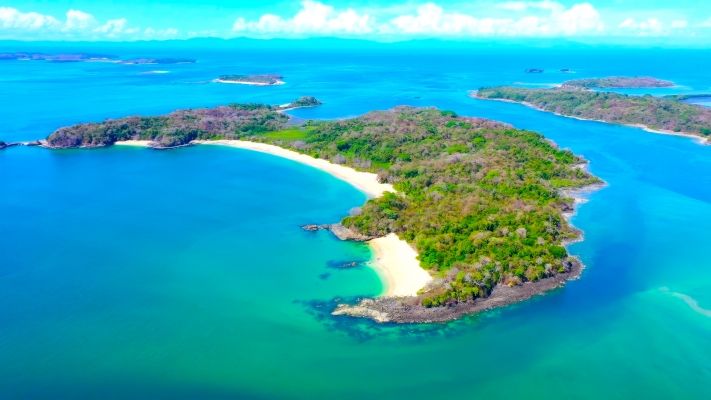
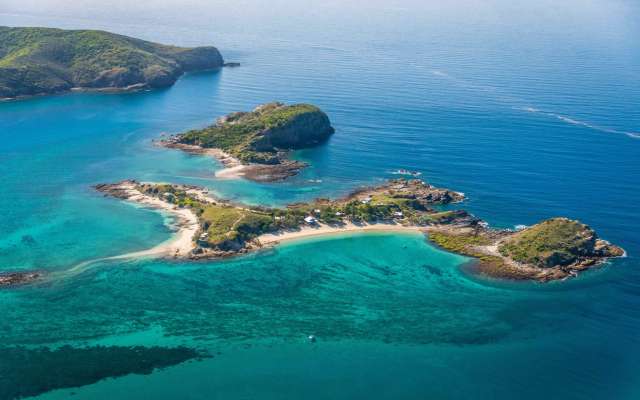
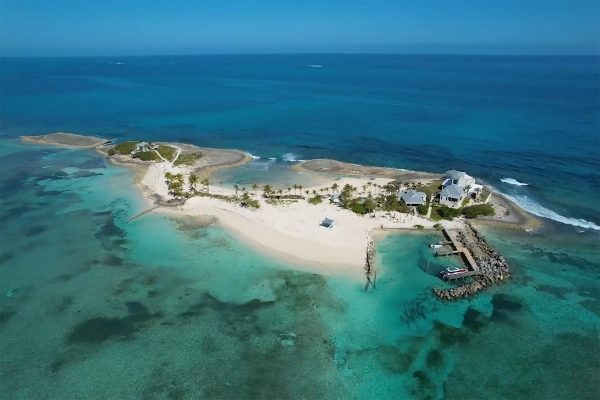
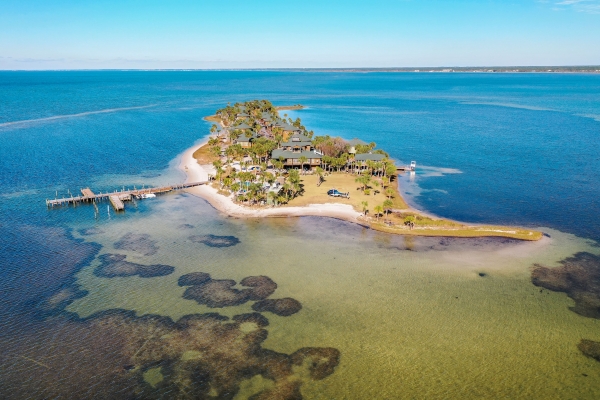
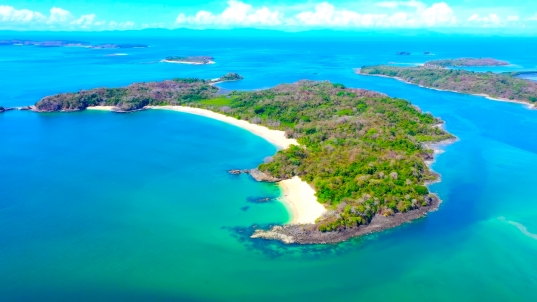
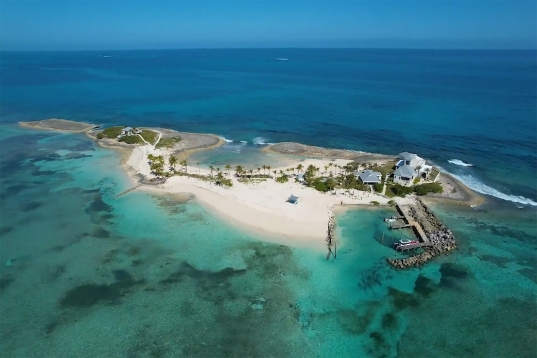
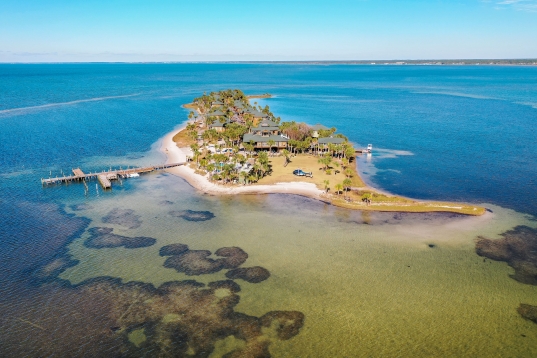
Located close to the Caribbean Coast of Nicaragua, this 26 acre (10 hectare) coral cay has been transformed into the ultimate “getaway“, featuring a most luxurious and beautifully detailed home away from home.

Two further houses for guests and staff, an organic vegetable garden, formal and water gardens, a 24 ft covered motor launch with 200HP motor, a smaller 16ft fibreglass “panga” with 75HP outboard and Satellite high-speed internet connection and telephone serve to keep in touch with the “real world”. Luxury Real Estate

A full time manager lives on the Cay and attends to the maintenance and housekeeping of the main house, supervision of the other island staff, and acts as butler to any guests in residence. Other staff include a gardener, a caretaker and a housekeeper. Both the gardener and the caretaker are experienced boat drivers also.

As a package, Little Eden Cay represents an interesting investment, and an opportunity to move in at the “2nd” tier of ownership…following the pioneers who have “broken in” the island, tamed it and created a wonderfully civilized Private Paradise, and preceding the now inevitable rise in real estate values that will occur in Nicaragua over the next 5-10 years, resulting in values akin to those in better known parts of the Caribbean, and Costa Rica, where a similar sized island with equivalent facilities and finish would cost between 10 - 20 million dollars.

The Cay Little Eden was previously known as Wild Cane Cay, and many years ago was the private property of a Miskito King. The current owners, a couple originating from New Zealand, purchased the island with the idea of creating a true paradise for themselves and their four young children. A fifth child “on the way” is the simple reason for this sale, as they have decided to return to New Zealand to have the baby...

This is a rare opportunity to purchase a freehold private island in this ‘westernmost’ part of the Caribbean, which has been fully developed as a private residence with a full staff and every conceivable luxury…

The Pearl Cays are located about 3 nautical miles from the Caribbean coast of Nicaragua, and around 60 miles north of the town of Bluefields (pop. 15,000), Access presently is by speedboat from Bluefields, via river and sea, and this trip takes around two hours, depending on weather conditions. Seaplane or helicopter would make the trip much shorter, and further information is available on both these options. Two local airlines serve Bluefields, which is a short, one hour flight from Managua.

It is always nice to know who your neighbours are, and in this sense these few privately owned cays represent a sort of exclusive private enclave. To the north is Coco Cohiba Cay Resort, presently the only operating business in the Cays. This is a boutique eco-fishing lodge owned by Christian Billard. (The food is excellent ) This resort is open almost year round and is highly acclaimed, in particular with fishermen. Full details on the resort facilities can be found at www.cococohiba.com.

Other owners of nearby Cays include a Swiss industrialist considering early retirement, a family of restaurateurs from Paris who visit only occasionally, an American couple, and an English family.

The Weather Whilst these islands enjoy an almost constant cooling breeze, high winds are rare, and hurricanes and tropical storms are naturally attracted to the mainland. There is currently no record of any damage sustained on the cays during “storm force” winds, and the many coconut palms which exceed 25-30m in height support this fact. Many of the palms on the island are in excess of 50 years old.

The Pearl Cays also enjoy a Caribbean microclimate which differs considerably from the mainland. While the Atlantic Coast has a distinct rainy season from mid June to September, the Cays rarely experience more than a single day of rain, and this time of year is generally characterized by occasional showers and thunderstorms, followed by sunshine in the same day.

From around January to March, it rains very rarely, and it is necessary to utilise the irrigation system on the island for the gardens. The rest of the year there are sufficient regular showers, often during the night, to keep the gardens watered.

Humidity increases from June to September, although the prevailing north-easterly breezes make for very pleasant living. Occasionally there is a Northerly breeze, which tends to be cooler. The other breeze which is also rare, is a Southerly, bringing warm, humid weather from the Equator.

When there is a breeze, it is usually from the North-east and tends to moderate the temperature.

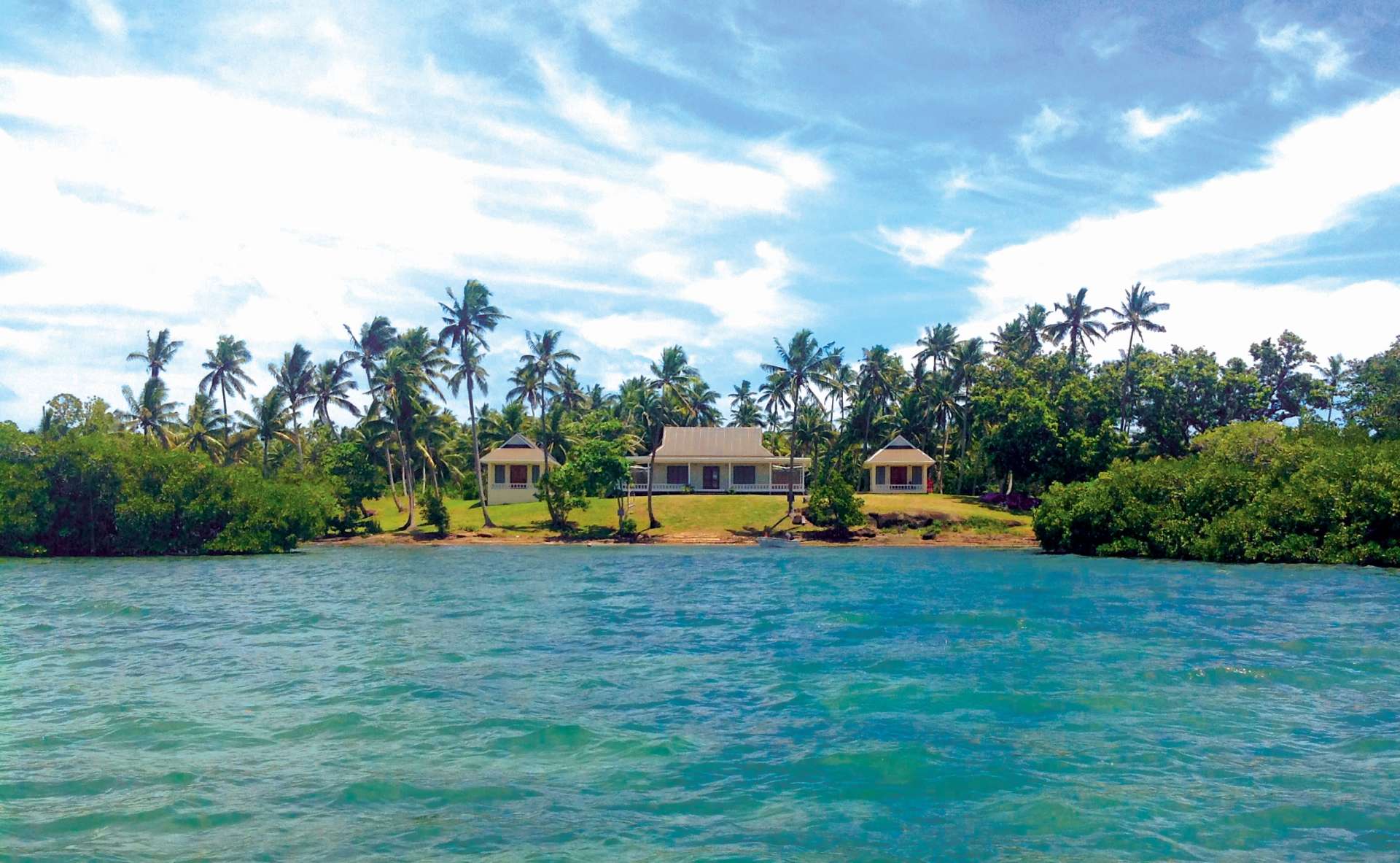
The Villa Designed with ultimate comfort and privacy in mind, the house is comprised of two separate pavilions connected by a covered passageway. The largest pavilion (28x8m) includes the spacious open plan living/dining/entertaining area, a separate study/family room with full en suite bathroom which easily converts to a bedroom for guests, and two identical double bedrooms, each with an en suite bathroom featuring a Jacuzzi bath,” power shower”, and inset hand basin with solid brass “American Standard” fittings throughout.

The separate “Master Suite” is reached via the family room/study and measures 12x8m. Matching His and Hers bathrooms are located to the rear of this pavilion behind the dressing area. The idea of this pavilion was to create a private space for the owners with a studio like feeling .A set of translucent ivory damask drapes hang across the full 8 metre width of this room to the front, and also cover the four sets of French doors that serve to open the room to the elements.

Both pavilions are equipped with adjustable louvers at a level of 2.5 metres to allow for airflow throughout , and to take advantage of the cooling breezes which characterise these Cays. The 14 pairs of French doors all open entirely outwards, and the doors can be secured to the exterior walls, to encourage indoor-outdoor living.

The unique design of the house incorporates the use of folding doors in lieu of walls at the front of both pavilions. As the prevailing wind is almost always from the North-east, it is extremely rare to find wind from the West or North-West, and consequently these doors can be left entirely open, allowing spectacular views past the beach and the nearby Cays to the mainland coast and the setting sun…

Construction In order to achieve an authentic finish to the home, the owners sought to utilise local hardwoods such as Mahogany, Rosewood, and Golden Oak (Guanacaste). The idea always was to retain a natural, organic quality to the construction, without becoming grandiose, or “overdone”. The choice of muted neutral tones inside and out, provides a suitable backdrop to the life inside the house.

Over the course of many years, locals visiting the Cay had stockpiled coconut husks in huge numbers in the area where the villa is now located, and the area was a wasteland, and a breeding ground for sand flies. Selective “eco-friendly” spraying, and thorough cleaning of the island has effectively dealt with the sand fly problem which greeted the current owners when they first arrived to claim their Cay, and the area behind the house has now been transformed into a formal garden featuring various exotic fruit trees and a fountain at it’s centre.

Around 300 concrete piles are located under the villa and it’s surrounding deck, providing a substantial and immovable foundation to the whole structure. Concrete foundations where chosen over hardwood for durability. Attached to these 20cm x 20cm columns is a comprehensive framework of 10cm x 10cm hardwood and above this a further framework of 10cm x 5 cm hardwood which supports the deck.

Flooring is of Nanciton or ‘Caribbean Rosewood’ throughout the house with the exception of the bedrooms which are in Guanacaste or ‘Golden Oak‘. These floors are all finished by hand and highly polished with French lacquer.

Bathrooms are constructed in concrete for durability and longevity also, while the rest of the house is built of wood, and the roof of wood with traditional asphalt and tiles to finish. A canal or guttering system surrounds both pavilions with run-off to the sea.

The whole of the roof is reinforced with 10cm x 30cm hardwood beams to add further strength for high winds, and the false ceilings inside the house hide a series of cross beams which reinforce both roofs internally.

Integrated ceiling fans provide a gentle flow of air on rare windless days. Three fans are distributed evenly throughout the living/dining area and kitchen. A further fan is located in the study/family room and the other three fans are suspended over the sleeping areas of the bedrooms. These fans are all reverse flow and variable speed.

A good deal of attention has been paid to the lighting of the house. Two separate systems exist in the form of low intensity halogen fittings throughout, and, as an alternative, a series of antique and collectable chandeliers provide another light source,

External lighting is in the form of adjustable spotlights situated at the corners and mid-section of the roof and near the pergola and pool. Standard and bedside lamps provide additional lighting in the bedrooms.

Living The Villa is a ’’temple to good living’’ and no part of the house reflects this philosophy more than the expansive living/dining/entertaining area. We have used the word ‘entertaining’ instead of ‘kitchen‘, as this is the entertaining “source“, and because the food preparation areas are such an integral part of the whole.

The Living space is relaxed and gracious in the style of grand old plantation homes. High ceilings, and an abundance of natural sunlight streaming into the room add lustre and depth to the gentle sepia tones of the furnishings. Watercolours such as aquamarine, dusky pink, ivory and café au lait colours intermingle with the rich, neutral tones of the walls, ceilings and polished wood floors.

The two sets of four metre folding doors at beach-side mean quite simply that the entire wall opens to the elements, and the deck becomes a continuation of the internal flooring. This is indoor/outdoor living at its finest, and takes maximum advantage of the spectacular view out over the lagoon.

A very large and ornate antique Italian chandelier hangs low over the living area, where an ottoman takes the place of the traditional coffee table, and a pair of genuine French ‘Club chairs’ sit invitingly facing the view to the West. A whimsical and extremely cushioned and comfortable 1920’s style sofa is upholstered in Ivory damask, and festooned with a selection of feather cushions in muted tones. Opposite is an early reproduction Louis Philippe loveseat covered in light caramel taffeta, as are the set of six matching dining chairs which surround the dining table.

Two enormous gilt mirrors face each other on either side of the living area allowing a panoramic view of the beach and lagoon…“framing paradise“, as it were…Huge banana palms in earthenware pots sit just inside the doors to the front of each pavilion, setting the tone…which is one of “retro elegance”, with a few whimsical touches…

Dining A large square dining table crafted in local rosewood seats eight comfortably for formal dining and a particularly elegant antique Italian chandelier hangs low over the table. A collection of beautiful tableware, glassware and linens is displayed in the “armoire” style shelving units at either side of the room,

Other dining venues include the breakfast bars, or outside under the pergola, where classic cushioned wrought iron benches surround a table for eight.

A selection of beautiful things for the table includes an 8 piece setting of Genevieve Lethu dinnerware complete with many attractive accessories such as tureens and serving platters. Breakfast ware includes an 8 piece setting of cream terracotta Tuscan dishes, and cutlery is Italian…“Bugatti” with faux bone handles, and including a wide range of kitchen utensils, and serving items.

Candelabra, vases, and every item to complete the table are included in the inventory and stored or displayed in the nearby shelves and cupboards.

Kitchen Gone are the days of the separate kitchen, and as the current owners are both devoted cooks, this part of the house has been designed to enable food preparation to be easily integrated into the living space.

Simplicity and functionality are the key words in terms of the overall kitchen design. Four basic elements consist of the three kitchen islands and the pantry/ storeroom. Central to any good kitchen is the “chopping block” and food preparation bench, and accordingly, this unit is central to the design. Minimal overhang and the use of custom designed drawers which open to either side of the ‘workbench’, make for easy access to the shelf below, where serving dishes and platters can be stacked and displayed.

Immediately adjacent to the North is the utility bench, also constructed of solid rosewood, and housing an oversized double ‘American Standard’ kitchen sink in Bone coloured enamel, and an extra large capacity ‘Kitchenaid’ automatic dishwasher under the bench top. Solid brass fittings are also ‘American Standard’.

On the other side of the central workbench is the cooking island, A Whirlpool six burner gas range is incorporated into the bench top, with storage cupboards either side. Both this unit, and the utility unit double as breakfast bars, and each features a bench top extension which will accommodate six diners, thanks to leaf extensions which fold up and lock into place at either end of both units. Eight handcrafted barstools, also in local rosewood, have their home at either side of these islands and allow a choice of venue and view for casual dining,

Adjacent to the cooking island is the walk in Pantry, with a sliding door to allow easy access. This pantry houses the Hot Water Heating unit, and numerous shelves to accommodate storage of necessary dry goods and staple items. Fresh food items on the other hand are accommodated in the refrigerator and freezer located conveniently close to the central island. These “super-sized” appliances were sourced in the United States for their capacity, and efficiency, bearing in mind the that there is no “supermarket on the corner” and also the necessity to keep fresh foods cool in the tropical climate.

Also an integral part of the open plan design of the living/entertaining area are the four elegant “armoire-style” shelving units which are located between the sets of French doors on both sides of the room. These serve to house all the accessories for the kitchen and dining areas including tableware, glassware and decorative items. Linens and other similar items are stored in the cupboards under these units.

Lighting to the food preparation area is either provided by halogen directional spotlights and/or incandescent in the form of three matching Italian chandeliers which hang low over the three islands. Dimmer switches allow the chandeliers to be dimmed to candlelight level for formal dining.

Supplies Fresh food and produce are sourced weekly from Bluefields. Wednesdays are market days and there is a profusion of fresh produce, including tropical fruits, vegetables, local cheeses and other items, Cristian usually takes this opportunity to replenish fuel, propane and any other island requirements. He even brings freshly baked Coconut bread from the local bakery.

Whilst luxury items are available only in limited supply in Bluefields, nearby Managua has almost everything one could wish for, and once a month or so, Cristian flies to Managua to replenish the supplies of gourmet items such as smoked salmon, French and Italian cheeses, wines and other specialty items. It is quite possible to take the early flight to Managua, and return the same day to the island with the shopping, as Managua is just a short 1 hour flight from Bluefields, and there are several flights each day.

One of the benefits of living in one of the largest lagoons in the world, is the bounty from the sea, and local fisherman will often stop by with fresh lobster, prawns and fish to sell or exchange for coconuts, which they use to prepare local specialities.

Bedrooms Two identical bedrooms sit back to back to the rear of the study in the main residence, and each of these has its own en suite bathroom. Each bedroom features two queen size beds, handcrafted in local hardwood to a custom design. Pillows are feather down, and bed linens are 300 thread count Egyptian cotton in luscious tones of palest pink, caramel and cream. Italian wrought iron bedside tables sit beside the beds and a ceiling fan is placed overhead. A chandelier hangs in each bedroom near the french doors. Large armoires complete the rooms, each of which may be accessed independently via the french doors, rather than via the study, if necessary.

Built in wardrobes provide ample storage for clothing and other items, and, above these wardrobes, more attic style storage space for luggage and other such items.

The Master Suite The master suite is unquestionably the leading feature of the house, with a panoramic view out over the swimming pool and past the pergola to the lagoon and the mainland in the far distance. Whimsical touches such as the antique golden Harp, and the extravagant gilt mirrors and luxurious bed linens make this a wonderfully romantic environment, with his and hers bathrooms located immediately behind the bedroom. All four of the en suite bathrooms look out over the formal garden where the statue of Venus is illumined by night and on toward the water gardens beyond. A gently tented ceiling softens the room, at the same time absorbing any reflections from the pool located just outside. The actual bed is ‘Mastro Raphael’ from Italy, which is King size or “matrimoniale” as they say in Italy. A spacious built-in closet provides ample storage for clothing and accessories, and a small dressing area is located immediately outside the bathrooms.

Bathrooms Bathrooms are important rooms, and with this in mind, the current owners have created five very functional and surprisingly luxurious en suite bathrooms.

Four of these bathrooms are identical mirror images of each other, and the fifth doubles as a “powder room” by day, and an en suite shower room for occasional guests as well.

Constructed in concrete, with a fine plaster finish, the bathrooms are contemporary and organic at the same time. Fittings are all solid brass “American Standard” and of the highest quality. Each bathroom features a powerful shower, and a personal Jacuzzi bath adjacent. Hand basins are shell shaped and inset in the plaster vanity, below which are stacked towels and bath linens in signature colours.

Once again in the bathrooms, the use of neutral colour and organic textures provides an environment of personal luxury which is both contemporary and classic at the same time…and this is the desired effect throughout the home…

The Pool Measuring 10x4 m, the pool is constructed of reinforced concrete, with a depth of 1.5 meters. In keeping with the owners philosophy, the pool is fed by a continuous stream of spring water proceeding from one of the two wells on the island. The water enters near the steps and escapes in an even trickle over the sides, where it collects and is drained.

This system allows for a continuous stream of fresh water entering and leaving the pool, which requires no added chemicals or filtration system. The effect is similar to bathing in a mountain stream.

Large roman-style steps are incorporated into the corners of the pool for easy access and the pool is lit from beneath with a single 500 watt lamp. Rather than the usual blue, a natural sandy cream colour has been chosen to finish the pool. This colour serves to highlight the water clarity, and give it a “glass-like” quality.

Extravagant wrought-iron Italian chaise-lounges line each side of the pool, and these fully adjustable and weatherproof lounges are accessorised with an ample supply of rolled towels in a delicate shade of dusky pink.

In front of the pool, and directly opposite the Master-suite, is the ornate wrought-iron pergola with it’s tented canopy and whimsical chandelier. This feature, imported from Italy, highlights the property, and adds elegance to beachfront dining. Here it is possible for eight to dine comfortably, or the pergola can serve to provide welcome shade poolside

Sound and Vision A 420 watt Pioneer ‘state of the art’ sound system is installed in the living/dining area. A small library of CDs in a range of styles is available. The Master suite has its own micro-system.

In the Family room, “entertainment” facilities consist of a 24” Toshiba television which has DVD and VCR incorporated directly into the unit. A range of DVDs and VCRs are available for rainy days, however, in keeping with the owners personal philosophy, the existing satellite service is limited to internet only, and there is no radio or television service at present, so those who require daily doses of CNN and the like will need to access this data via the internet, or install further services.

Satellite service on the island is in the form of a 1.8 metre disk which provides a continuous connection at 128Kbps. The service has its own hub, and serves as the most affordable means of communication with the rest of the world. A satellite telephone service is also available for outgoing calls only at a cost of around 65 cents for local (Nicaragua) calls, less than a dollar to the USA, and two dollars per minute to Europe.

Power Currently Little Eden Cay is served by two Suzuki generators, with a combined capacity of 10,000KW, with 110v and 220v capacity.

In keeping with the owners ecological sensibilities, it is envisaged to take advantage of the almost constant breeze that favours these islands by installing a wind turbine which will provide for all the islands power needs. The advantages in this would be two fold: The turbine is a completely silent power source, in contrast to the hum of a generator, and more importantly, aside from initial cost of installation, the turbine would provide a permanent power source, and self-sufficiency in terms of fuel requirements for the island.

Gardens No paradise would be complete without a garden, and Little Eden has several to enjoy.

The Organic Potager Garden has been established to enable some sort of self-sufficiency in terms of fresh vegetables for the future. Current crops include Arugula, Romaine Lettuce, Beefsteak Tomatoes, Bell Peppers, 4 varieties of Basil, Beans and Watermelons. All these are interspersed with sunflowers, native coriander and other assorted herbs and flowers to add interest and variety to the garden. Local pineapples grow around the perimeter. The Potager is fully irrigated and enclosed by a simple fence of Coconut Palm leaves to ensure protection from the wind.

The Water Gardens are a series of undulating ponds located in the centre of the island, where a small natural spring was originally located. Walking from the house, the first pond encountered is the reflective pond, which features a population of Japanese Koi in residence.

Beyond this lies a small bridge, and beyond it a larger pond with two small islands in it, and a population of native fish of various varieties. The general lushness of this part of the island is further accentuated by the profusion of ferns and flowering plants surrounding the ponds. A further pond is located adjacent to the Mangrove Forest, and also contains a selection of local native fish.

The Formal Garden is located directly behind the Sunset Villa, and features a rich lawn, and various exotic fruit trees and fragrant plants, all surrounding a statue of Venus, which (or who) is also a fountain. A set of wooden stairs to the rear of the Villa lead directly down to this Garden.

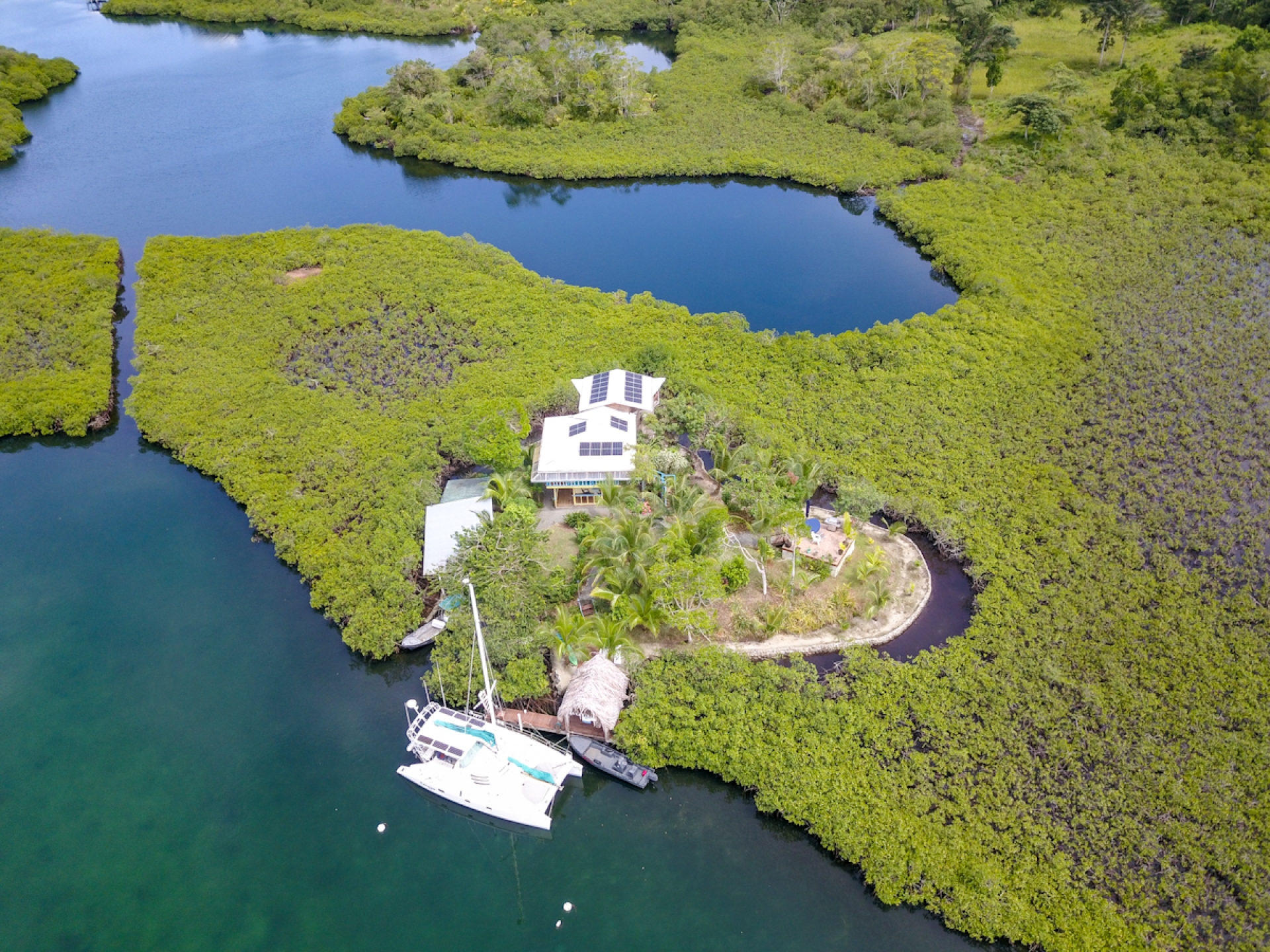
The Mangrove Forest Apart from being the largest of the privately owned Pearl Cays, Little Eden is also protected on the North Western side by an expansive Mangrove Forest. This glorious wetland is fully preserved in its pristine state and is home to various wildlife species including mangrove and “ghost crabs”, indigenous and migratory birds, and myriad aquatic species.

Protected according to international law, the Mangroves are like an “anchor” into the earth for a coral cay, offering protection from the prevailing winds, and guaranteeing the longevity of the island.

An elevated walkway is planned to allow entry to this beautiful primeval world, where time seems to stand still.

Also planned is additional accommodation in the form of the “Tree House”…

Wildlife Little Eden Cay is favoured as a nesting ground by the “critically endangered” Hawksbill turtle, and during the breeding season this process is monitored by the World Wildlife Service in the form of daily visits to the beaches in order to monitor the nests. Nests can number up to fifty, although all the activity of nesting and hatching takes place during the night, so it is rare to see either adults or young during the day.

A variety of bird-life make their home in the Cays, including a family of Pelicans, who feast on the schools of sardines that inhabit the shallow reef waters. Huge Frigate birds can often be seen soaring high above the island and native doves can be heard cooing in the mangroves. A magnificent Toucan, “Hercule” (as in Poirot) was given to the current owners as a juvenile, and now believes himself to be part of the family, and a pair of local parakeets also found their home on the island. “Marmaduke’, a scarlet Macaw, was also found in an injured state and has been nursed back to health. All the domesticated creatures on the island are cared for by the manager and caretakers.

A small flock of chickens provide fresh eggs on a daily basis and are generally free roaming during the day, roosting in their specially constructed chicken house by night. In the “Summer Months” tiny Hummingbirds and bright yellow finches appear to feast on the berries that are found on the island.

Huge and elegant Grey Herons stalk amongst the mangroves and on the reefs at low tide, as well as smaller Egrets and Terns.

Other wildlife include mangrove crabs and outrageous bright blue Ghost Crabs which are generally only seen at night. There are no predators on the island and a peaceful equilibrium exists on the Cay.

The Reef itself partially surrounds the Cay, and is home to a huge selection of exotic aquatic species. Large beds of sea grass attract turtles and small fish, while the coral reef which rings the island serves as home to many varieties of tropical species. Snorkelling is spectacular around this Cay and fish are abundant.

The Tree House Architects drawings are available for this unique and innovative “guest suite”. Designed to sit up amongst the treetops, this building is to provide a romantic and incredibly private hideaway or studio or as guest accommodation completely separate from the Sunset Villa.

Raised five metres from the ground in a hollow of the Mangrove forest, this miniature suite features a King size bedroom, which can also be configured for twin beds, with a luxurious en suite bathroom and kitchenette. Wide balconies on all four sides, and 2.5 metre high sliding glass doors would provide an expansive view and plenty of natural light.

The Tree House is envisaged as an opulent “den” in the treetops which is to feature a golden pull-rope which guests may use to summon a butler, or call for cocktails.

Beaches Pristine, Palm-fringed, golden sand etc…etc…all the popular words apply in this instance in terms of describing the layout of the Island and its various attractions.

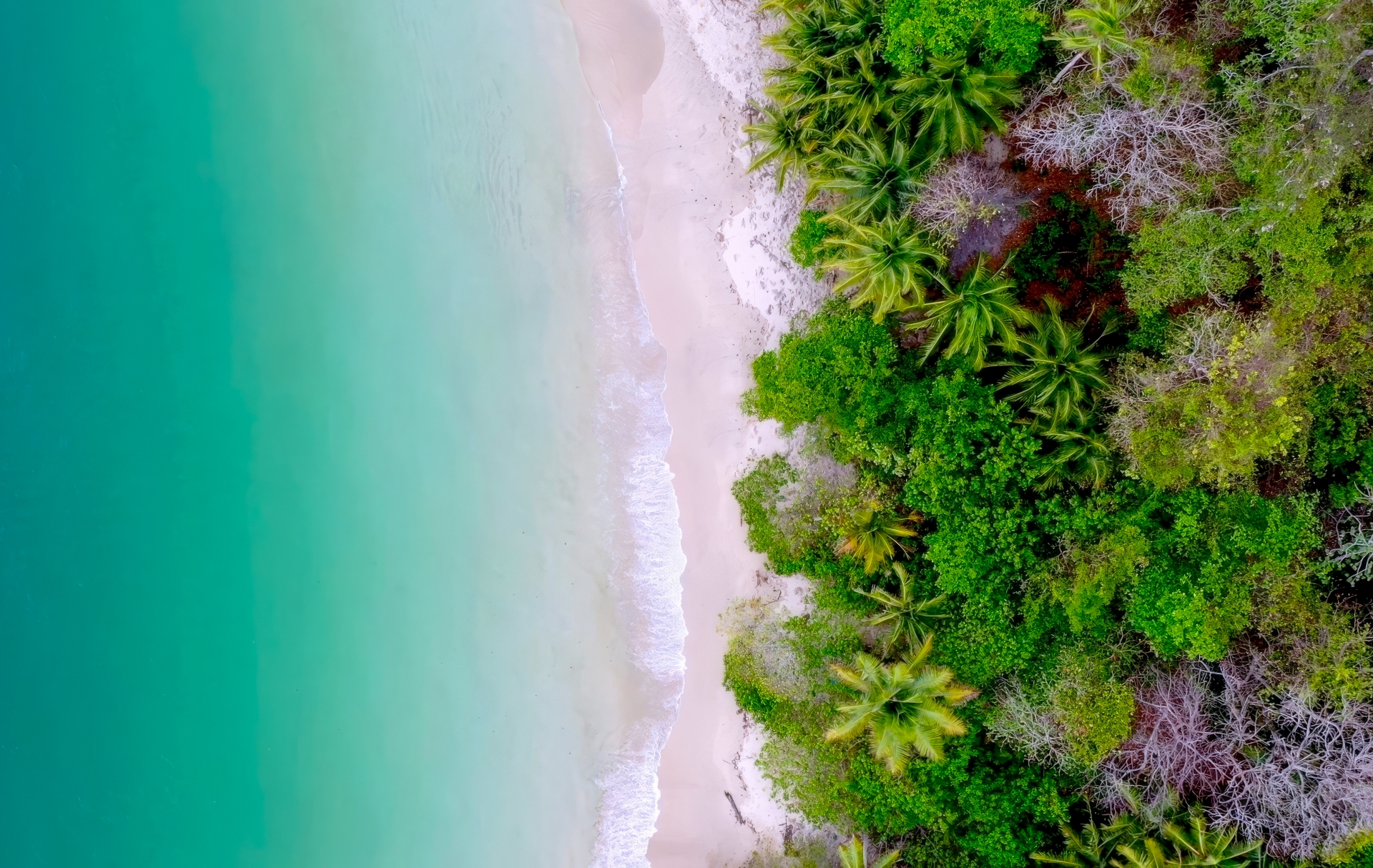
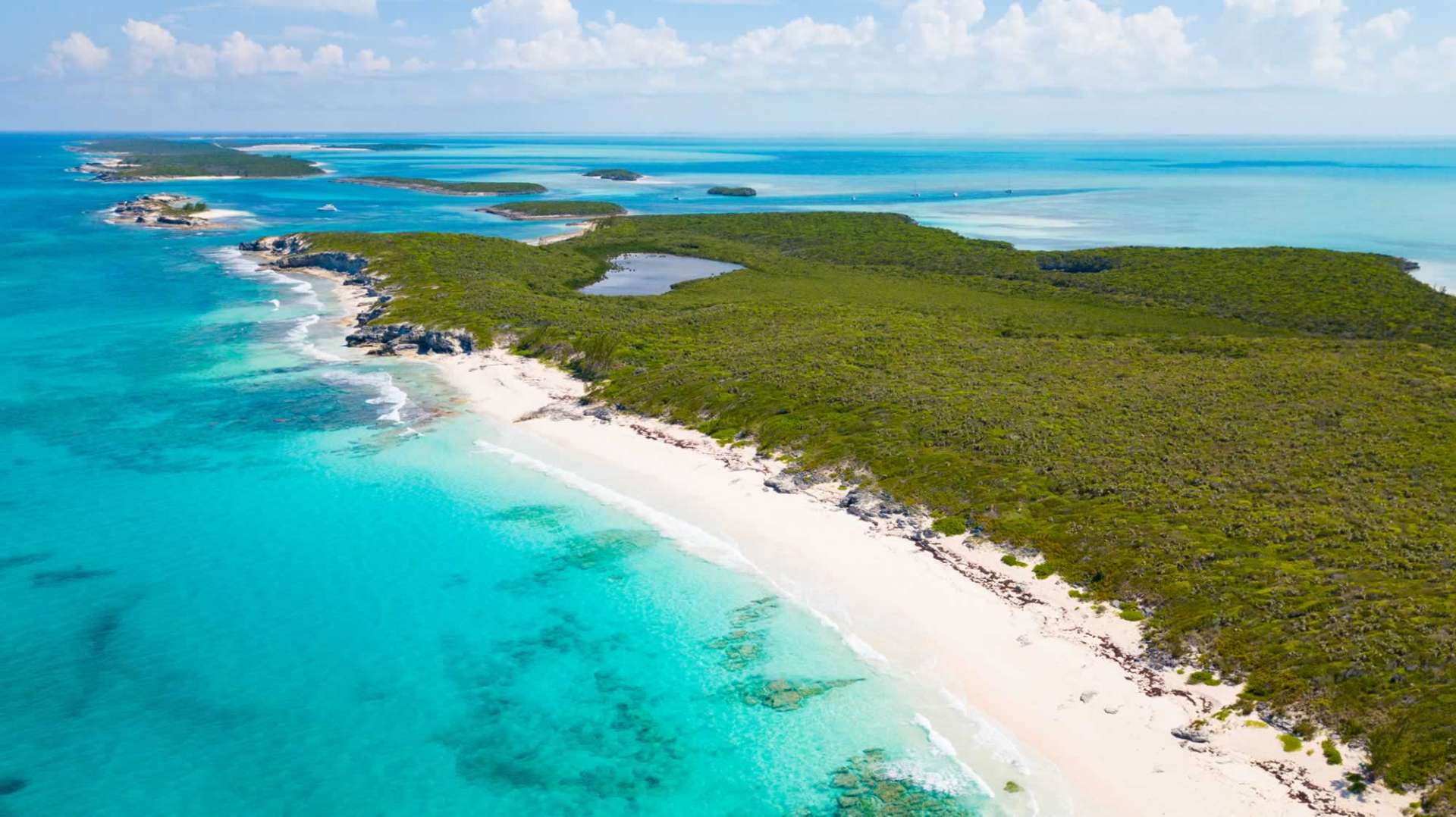
Apart from the rocky shore which runs along the eastern side of the Cay, the remainder of the island is almost continuous white sand beach, with the main feature being its gorgeous crescent beach which extends from the caretakers cabin almost to the sunset villa. As this is the leeward side of the island, there is seldom any wind at all here and the water is calm and limpid even when there is a brisk breeze from the north west. The variety of coves and beaches ensure that it is always possible to find a suitable beach for relaxing, swimming or snorkelling.

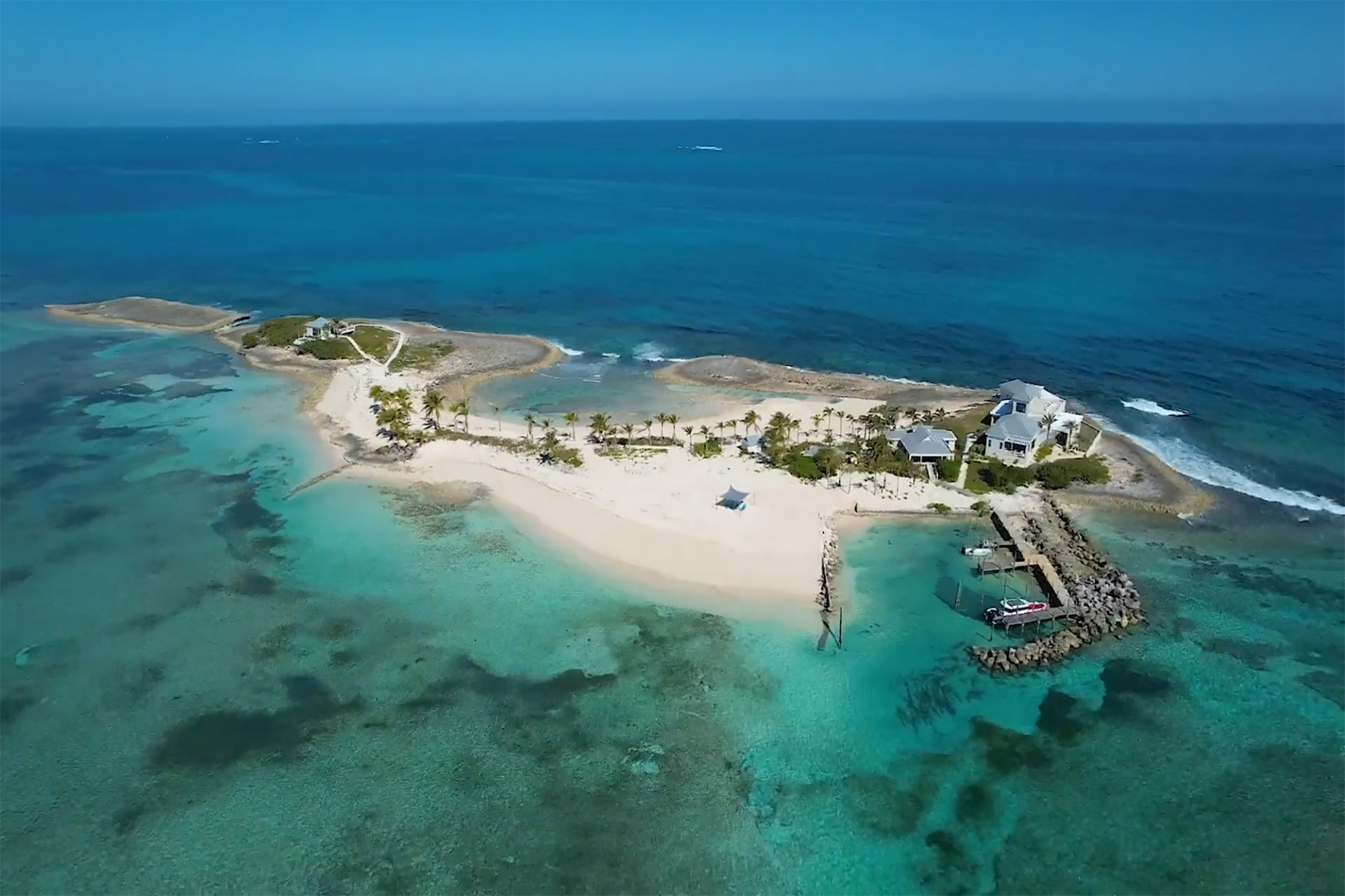
Other Infrastructure There are 2 piers currently on the island. One adjacent to the Villa, with a traditional kiosk built over it, which provides an interesting alternative dining venue, and another at the main beach, where most visitors arrive. Both piers are constructed of local wood with coconut trunk foundations. The reef surrounding the cay will only allow entry to boats with a shallow draft.

Two freshwater wells are located near the organic garden. One of these provides water to the garden, staff accommodation and swimming-pool, and the other serves the villa exclusively.

These Cays are blessed with an abundant supply of crystal-clear spring water, which is sustained year round. Each well is powered by a small 1 H.P. pump to provide water pressure, and the villa well features a 100lb pressure tank which provides high pressure to the house for showers.

The Caretakers’ hut The Caretakers hut located at the South of the island provides accommodation to the caretakers and any temporary staff who may be working on the island. This house has its own septic tank, and utilises well water. A simple kitchen bench, toilet and shower cubicle provide basic facilities.

The Staff Cabin The Staff Cabin, located close to the villa, beside the Mangroves, is a larger house, with living area, 2 bedrooms and a bathroom with hot shower. This cabin also houses the laundry facilities on the island, and features a ‘state of the art’ Whirlpool Duet 8 cycle washing machine. A dryer is also provided, however, with the almost constant warm breezes on the island, it is rarely necessary as clothes and even towels dry very quickly on a line.

This cabin shares the large sceptic tank utilised by the villa, and has a water tower which is filled from the well. Power to the cabin is provided from the central generator. The caretakers’ hut does not have a power supply, although this could be installed at any time.

Staff Cristian Salmeiron is currently Butler and Manager for Little Eden Cay. Cristian was sourced in Managua, where he was previously employed in customer service at the 5-star Intercontinental ‘Metro Centro’ Hotel, having been trained in customer relations. The motto of this Hotel chain is “We know what it takes”, and this is evidenced in Cristian’s manner and readiness to serve.

Presently Cristian resides in the Staff cabin with his wife Marbelly, and daughter Pamela. Christian and Marbelly are housekeepers to the Villa, They also handle all laundry requirements, oversee the whole island operation, and Marbelly can also be prevailed upon to cook local specialities on occasion.

As a team, they guarantee that the Villa is kept spotless and immaculate… both when owners or guests are in residence, and in their absence. They work full days 6 days a week, and rest on Sundays. Isaac on the other hand takes a holiday for 4 days every month, and handles all practical matters during Cristian and Marbelly’s days off.

Isassi, or “Isaac” as he is known on the island, is a Miskito Indian from Pearl Lagoon, and is an able boat driver and caretaker for the island. His daily chores include gardening, ground-keeping and feeding of the chickens and other animals as necessary.

Ricardo, also known as “Ricky” is also involved in general maintenance and care taking of the island, and is an experienced boat driver and fishing guide. Both men have mechanical ability, and are generally able to fix any equipment in need of routine maintenance. Ricky and Isaac reside in the Caretakers’ cottage at the Southernmost point of the island.

As the main pier is located adjacent to the cottage, this serves as the first port of entry for any visitors to the Cay, and an effective wireless communication system allows the staff to advise the main residence of any visitors.

A set of six Motorola ‘walkie talkies’ allow for instant contact between owners and staff at any time and regardless of location on the island.

Income Potential There are a select few islands in various parts of the world which may be rented exclusively . Some of these islands command rentals in excess of US$50,000 per week on an all-inclusive basis.

Extensive research in these areas prompted the current owners to design Little Eden Cay for this “niche market” …those individuals or families who require complete privacy, full service and utter luxury in a remote and exotic setting. Hence the attention to detail in the main residence, and the infrastructure to enable “butler style” service around the clock on the island when guests are in residence.

As a simple rental property, the villa would easily command US$10,000 per week. However, if marketed as an entire private island on an all-inclusive basis the weekly rental could conceivably reach US$25-35,000 or more depending on the quality of service, cuisine and wines provided.

Britain’s leading luxury tour operators, Elegant Resorts currently list two private islands for rental at US$50,000 and US$140,000 per week respectively. Neither of these islands has the charm, style and exotic remoteness that characterize Little Eden Cay. The rest is simply a matter of time and directed marketing, as there are no other islands in the Western Caribbean which offer the level of sophistication of this Cay and it’s fabulous accommodations.

Full plans also exist for an innovative Tree House which is to be constructed 5 metres from the ground at the edge of the Mangrove Forest. This “suite” would provide additional accommodation for 2 in a unique setting, and is designed to be completely self-contained, with its own mini-kitchen and full bath facilities.

This tree house would provide “honeymoon style” accommodation for a couple and could provide income as rental accommodation also. The current owners envisaged installing the Tree-House and the Wind Turbine as phase two of the “Little Eden Project”, however, full plans and details for both these facilities will be included with the sale documents, should new owners wish to proceed with either or both of these options.

Little Eden Cay, Nicaragua, Central America
map of nicaragua, little eden cay

view slideshow

Featured Islands For Sale

Popular Regions

Enter your email to sign up for the Private Islands Newsletter.

Newsletter Archive | close ×

Newsletter Sign-up

Enter your email to sign up for the Private Islands Newsletter.
Learn more »