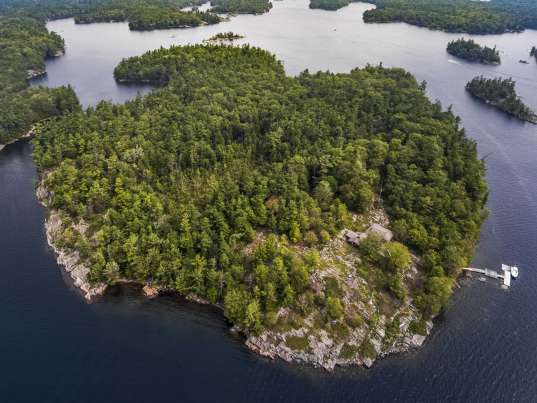
Feature Island


Regional Information

Mexico is bordered by the United States to the north, the Pacific Ocean to the west and south (with the Sea of Cortez, or Gulf of Cailfornia to the north-west between the mainland and the Baja California peninsula), the Gulf of Mexico and Caribbean to the east, and Belize and Guatemala to the south and south-east. Mexico's border with the United States measures over 3,300 kms. Mexico has many geographical characteristics that span over an area of 1.2 million square miles. Mexico is actually a part of North America, but for the purposes of easier site navigation we have included it in Central America


Mexico, North America (Central America)

Map of Mexico, Central America


Foreign Ownership of Islands in Mexico, North America (Central America)

In Mexico, foreigners are not allowed to own real estate within Forbidden Zones. Those zones are 100 kilometres from the Mexican border and within 50 kilometres of the coast. Foreign ownership is possible in these restricted areas under a fideicomiso, or bank trust, which means you don’t own the land permanently or outright.

The trust is created through a Mexican bank for a period of 50 years and may be extended for another period. Legal title to the property is held by the bank, as trustee, and use of the land in the restricted zone is held by the property buyer. The fideicomiso is basically a lease. The beneficiary can instruct the bank to sell or lease the property at any time. Under the fideicomiso, there can be multiple or successive owners. The cost of establishing a fideicomiso is not high; it’s based on a percentage of the property value. An annual trustee fee is also charged.

In order to get a fideicomiso, the investor and the bank both apply to the Ministry of Foreign Affairs who grants the trust. The bank acts on behalf of the buyer to the Ministry. As a result, the bank holds title to the property. However, despite holding the title for an island, the bank is under obligation to follow the instructions as stipulated by the beneficiary. Thus, the foreigner is free to develop (based on local zoning and environment laws), use and even sell the property, as they see fit.

Before buying a private island in Mexico, invest some time getting to know the area and real estate values. Involve someone who knows Spanish well so that you don’t miss legal subtleties. Anyone can sell real estate in Mexico; there are no license laws regulating real estate brokerage. Be sure the company you’re dealing with is reputable and established. You may have bought and sold real estate in the United States or Canada, but the Mexican experience is totally different.

Foreigners have the right to own real property, but only Mexicans have the right to own land or mineral and water rights. If there is any dispute about foreign land ownership, you cannot invoke the protection of your own government. All disputes are decided by the Mexican courts, but as a landowner, you will be treated the same as a Mexican national.

Like many transactions in Mexico, closing may not proceed as rapidly as in the U.S. In Mexico, closing costs for the buyer are higher than many places and include the transfer tax and notario’s fees. The notario is like a lawyer and performs title search, obtains ‘no lien’ certificates, organizes an official appraisal and verifies that nothing is interfering with clear title. All real estate transactions in Mexico must involve a notario. It should go without saying that you should also have a very competent lawyer representing your own interests when purchasing a private island in Mexico.


Regional Statistics for Mexico, North America (Central America)


Location:
Central America, bordering both the Caribbean Sea and the North Pacific Ocean, between Costa Rica and Honduras
Population:
107,449,525
Languages:
Spanish, various Mayan, Nahuatl, and other regional indigenous languages
Capital:
Mexico City (Distrito Federal)
Currency:
Mexican Peso
Climate:
varies from tropical to desert
Temperature Range:
+15 to +35
Terrain:
high, rugged mountains; low coastal plains; high plateaus; desert
Natural Hazards:
tsunamis along the Pacific coast, volcanoes and destructive earthquakes in the centre and south, and hurricanes on the Pacific, Gulf of Mexico, and Caribbean coasts

Private Islands Magazine

Enter your email to sign up for the Private Islands Newsletter.

Newsletter Archive | close ×