
Coral Island
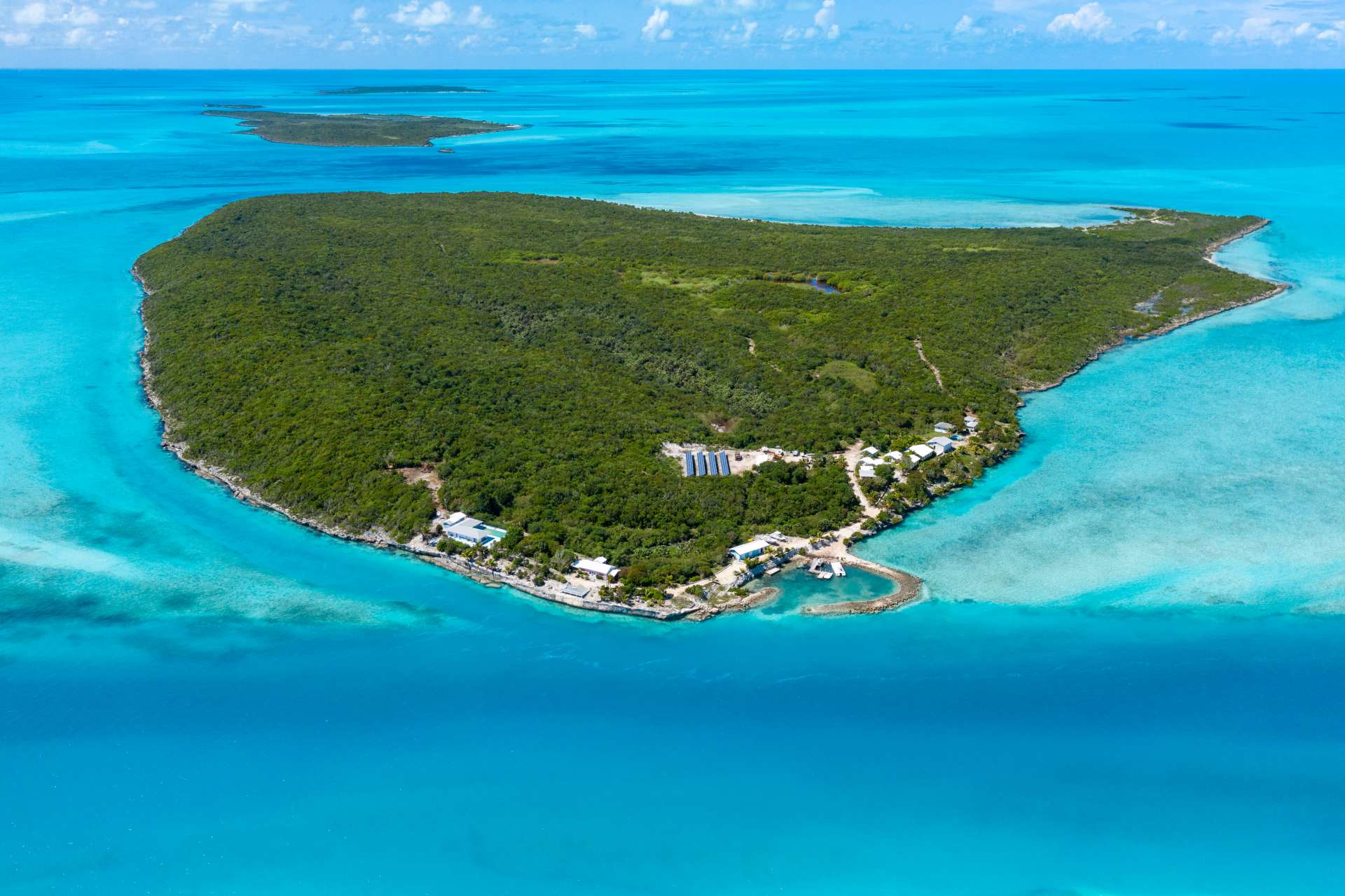
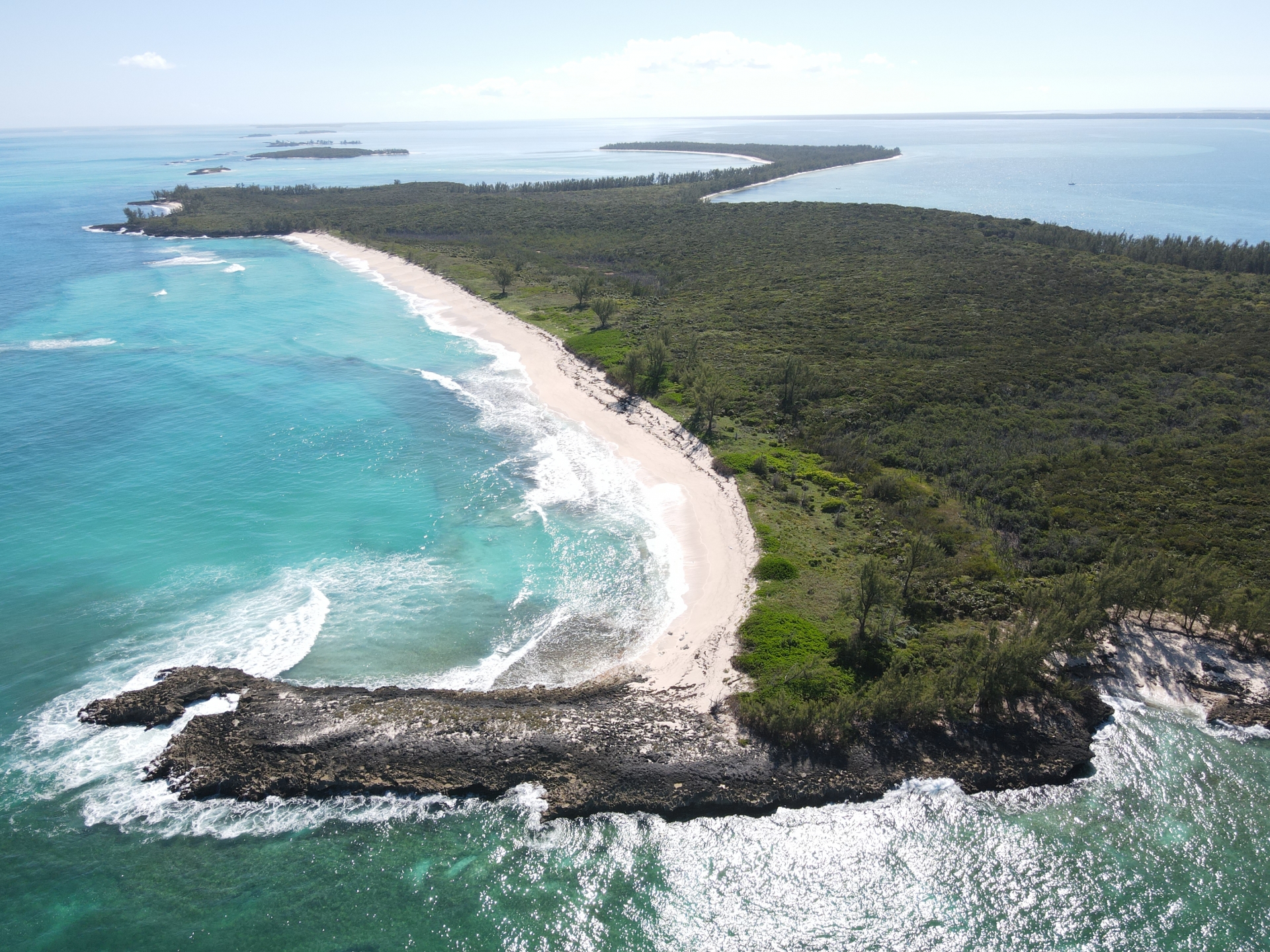
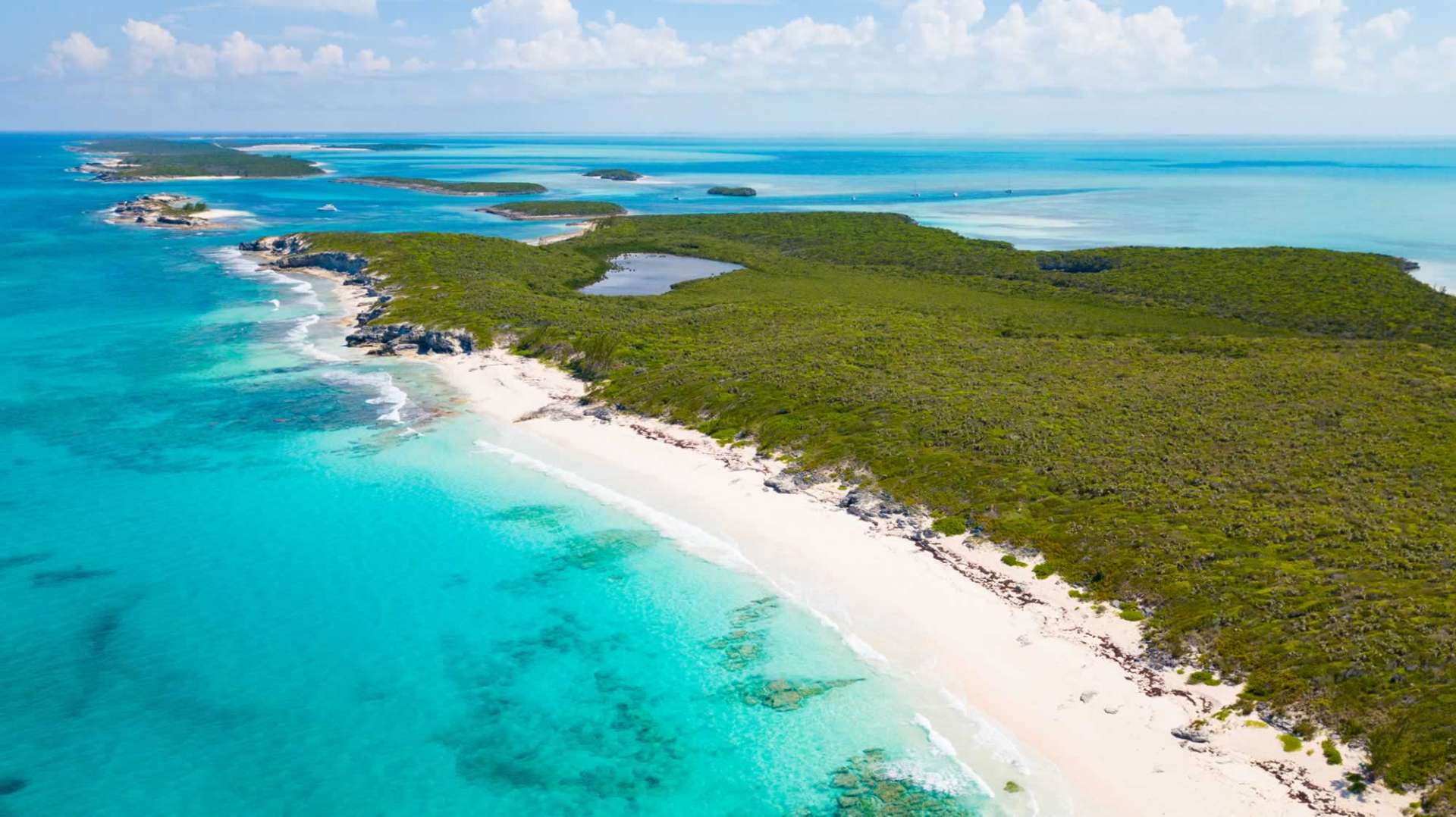
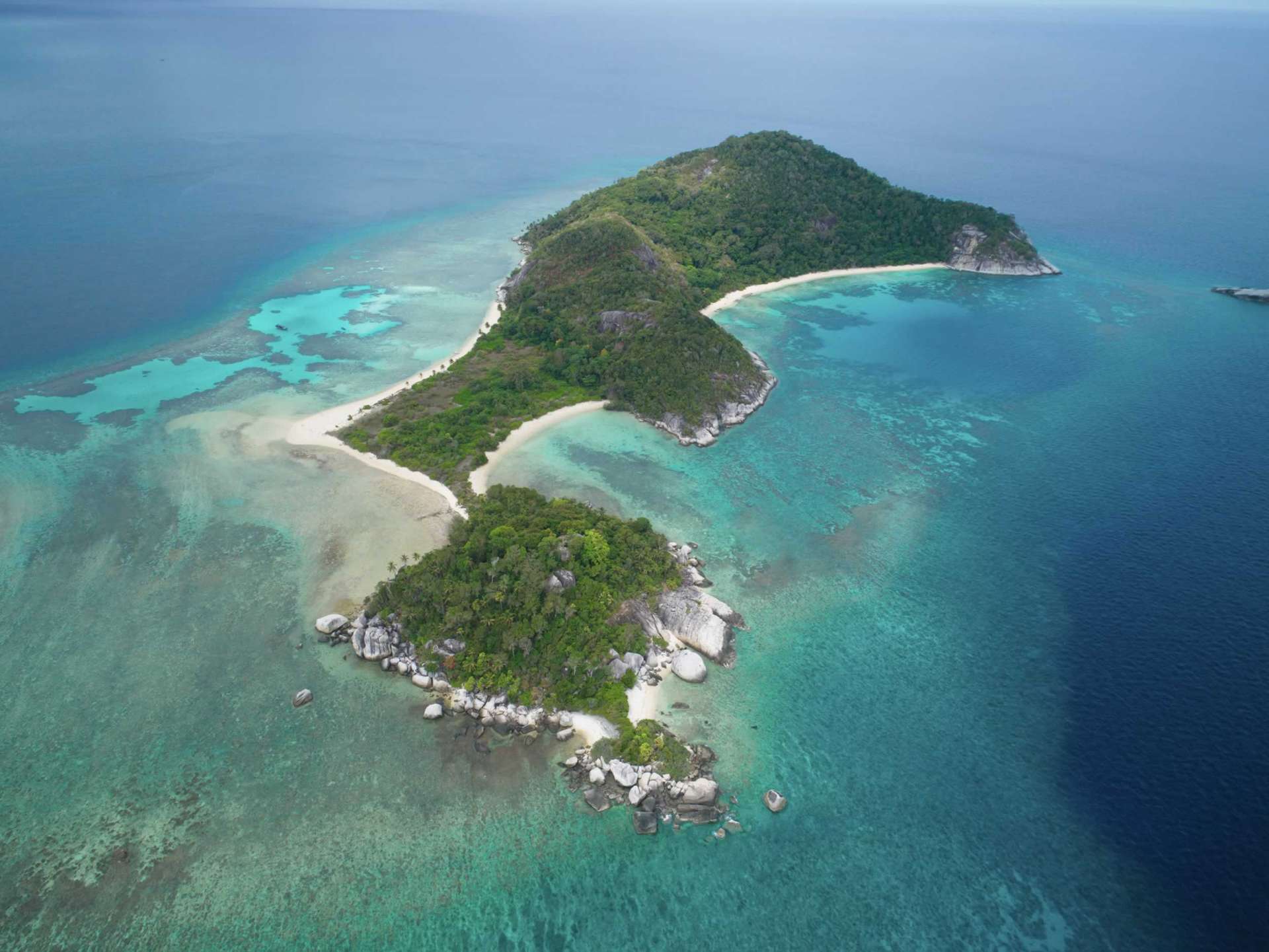
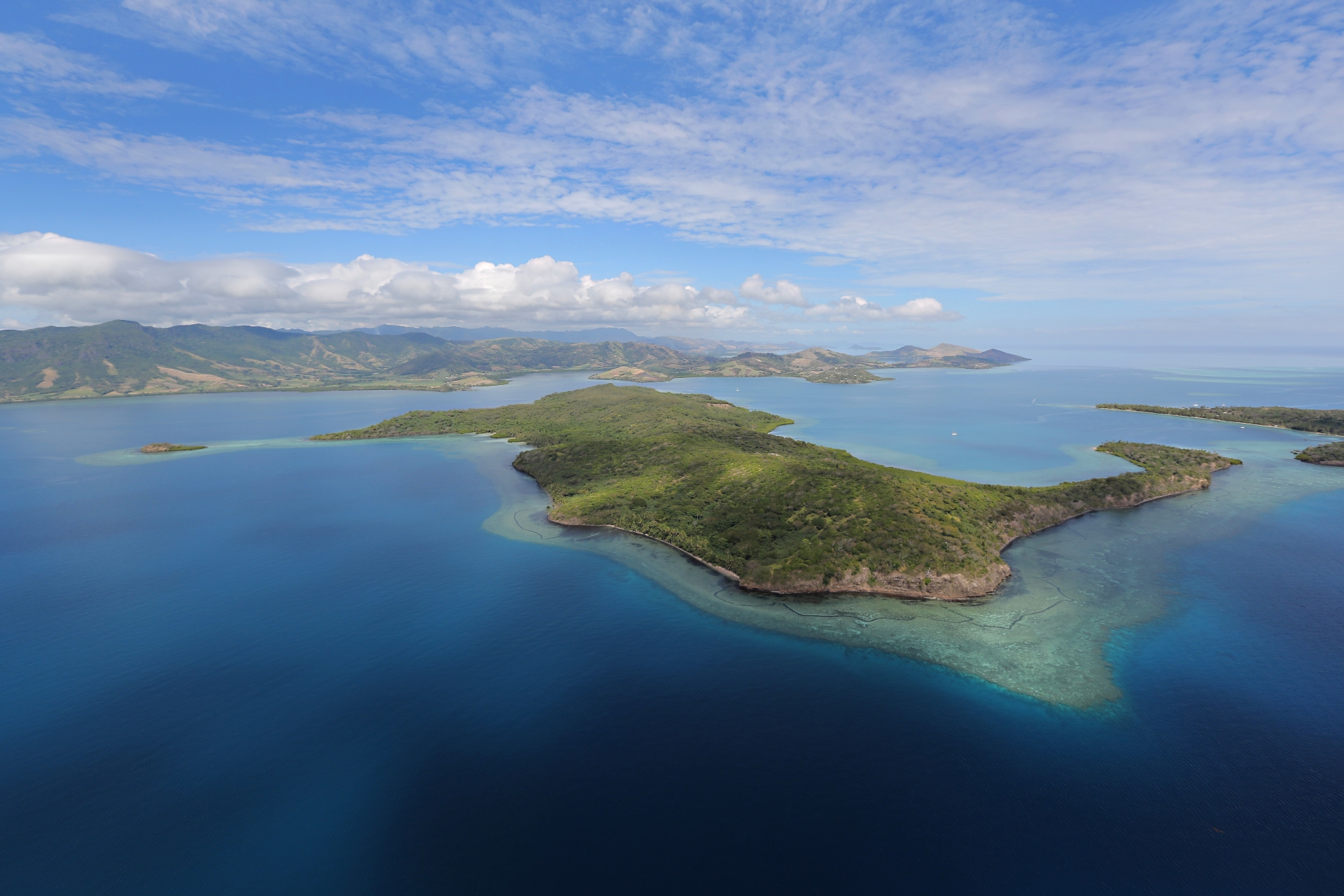
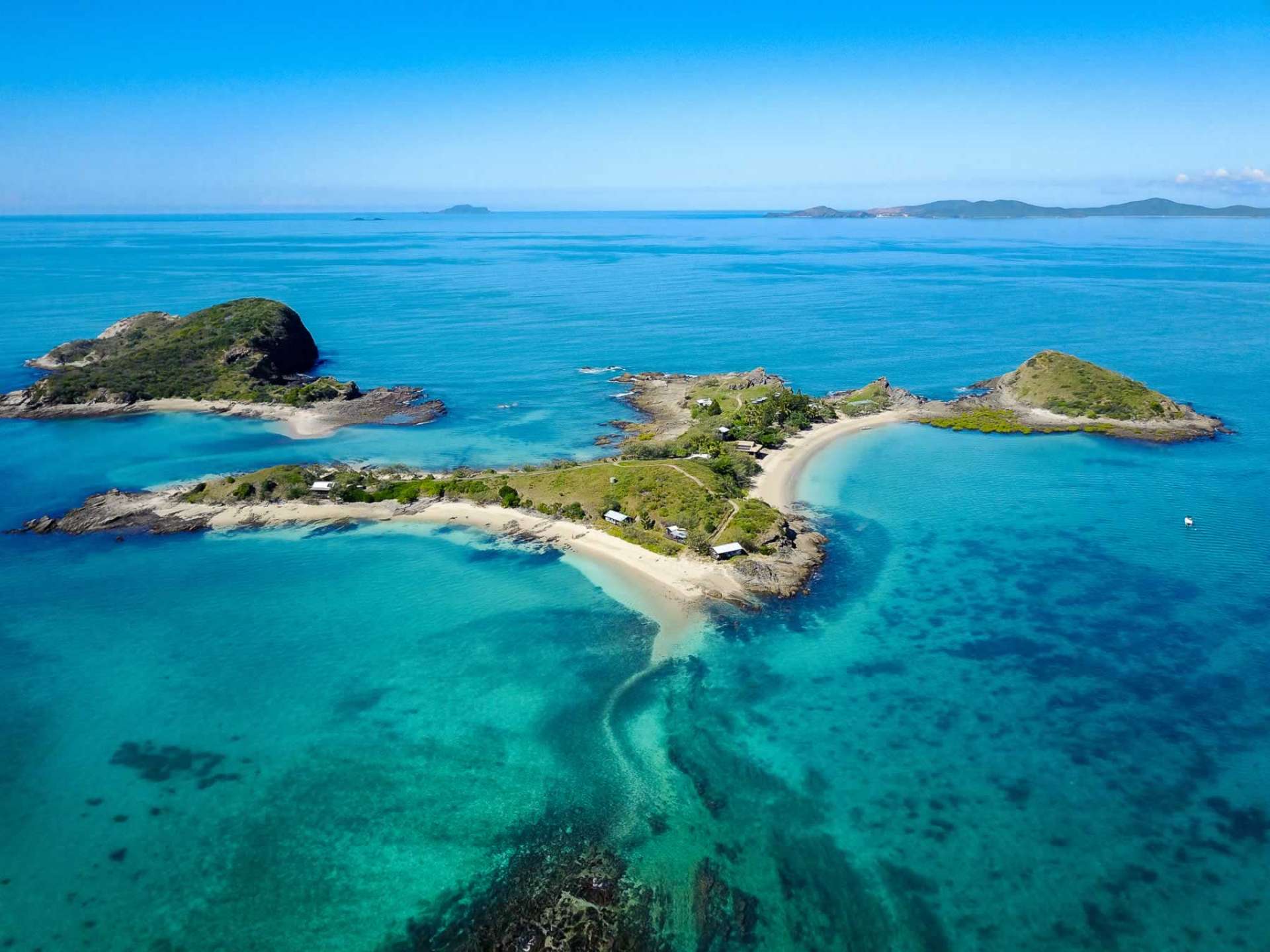
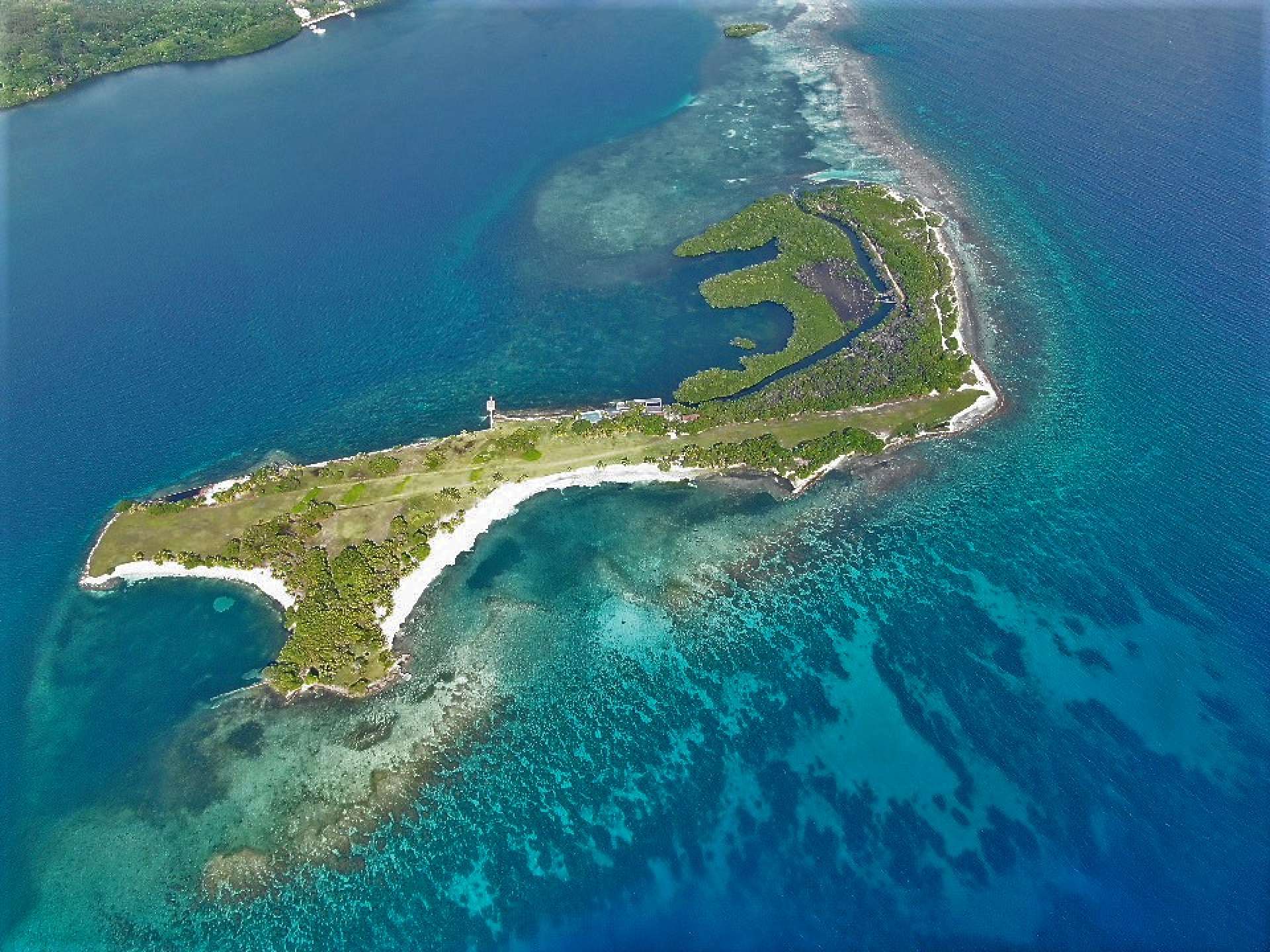
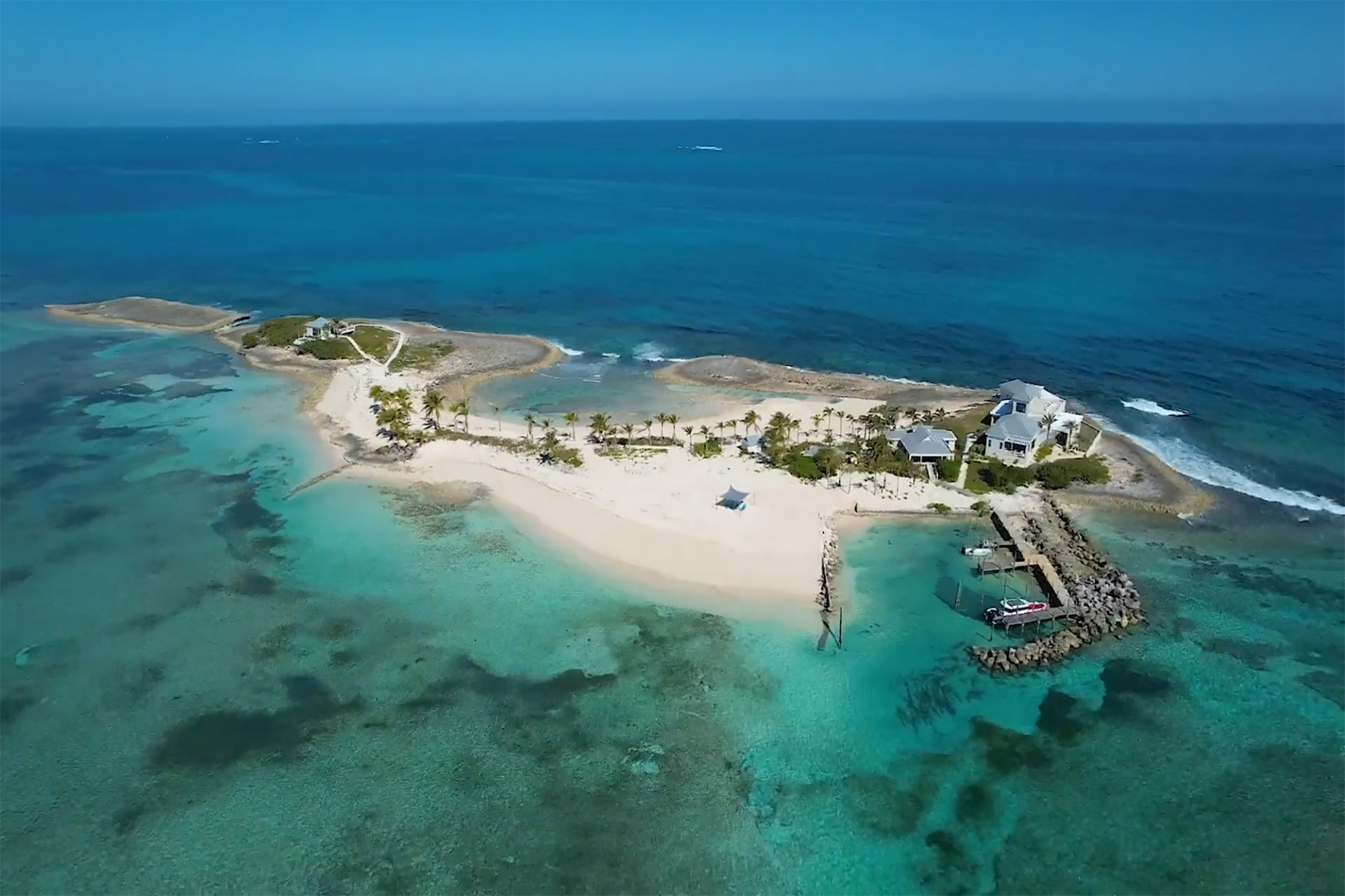
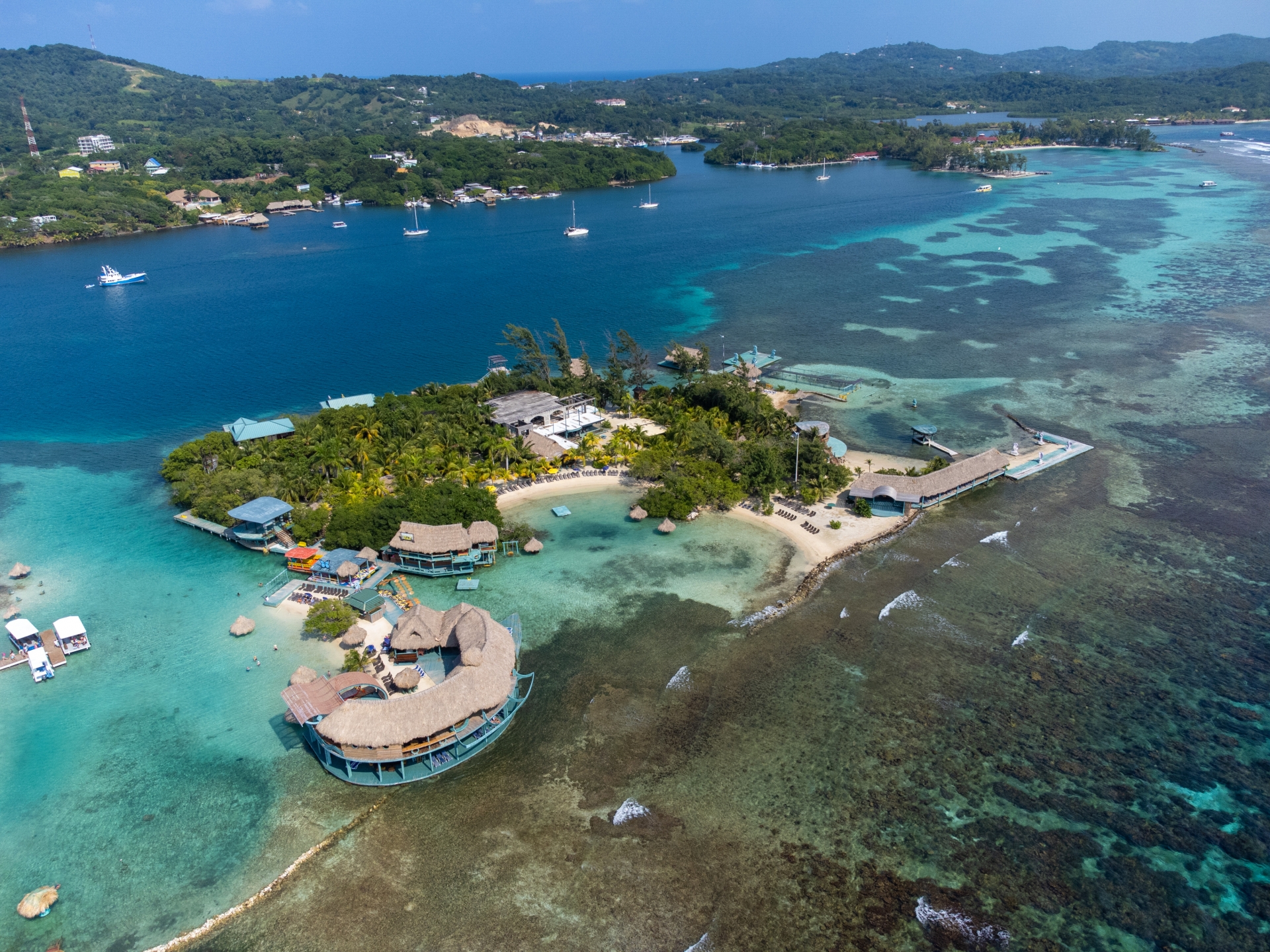
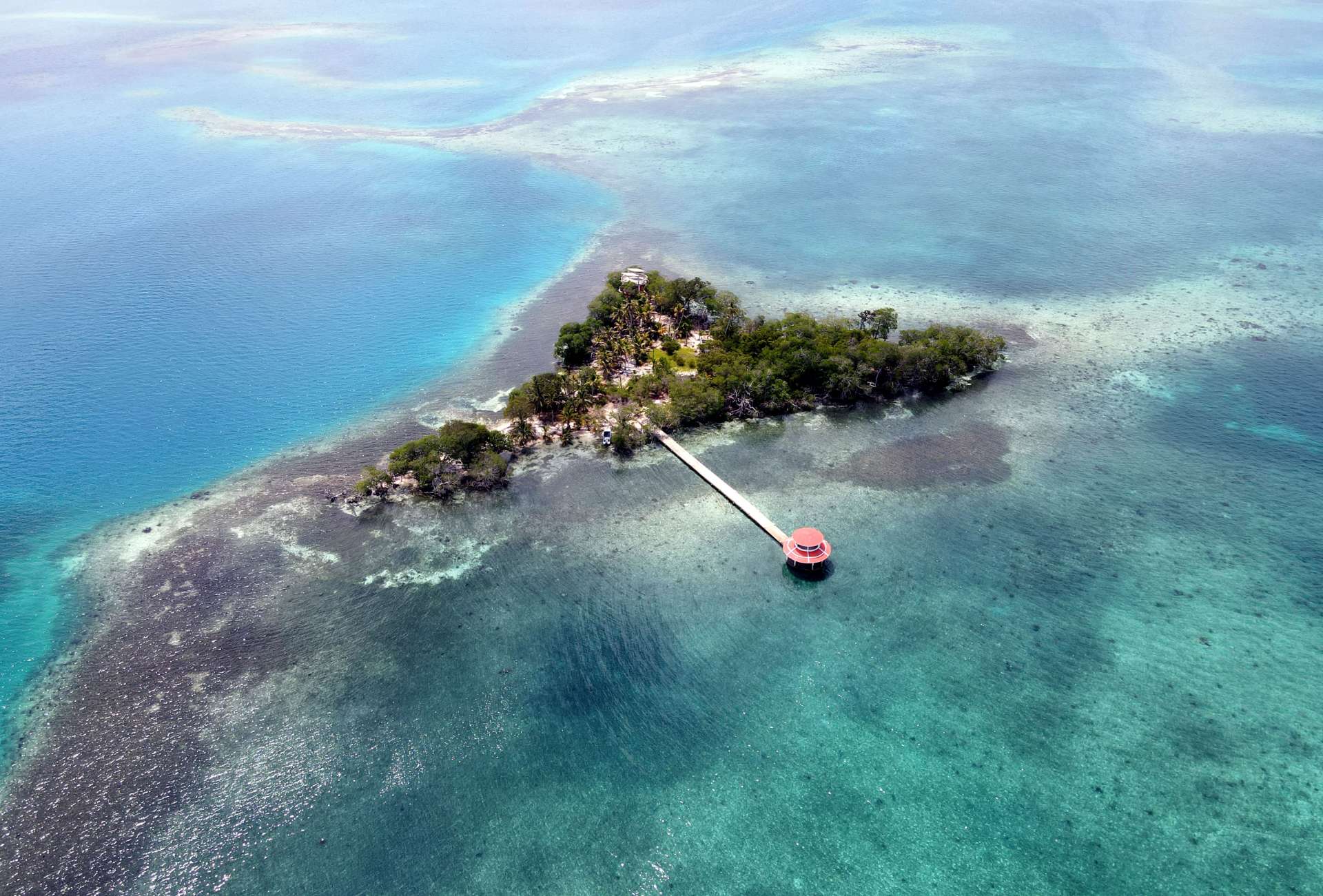
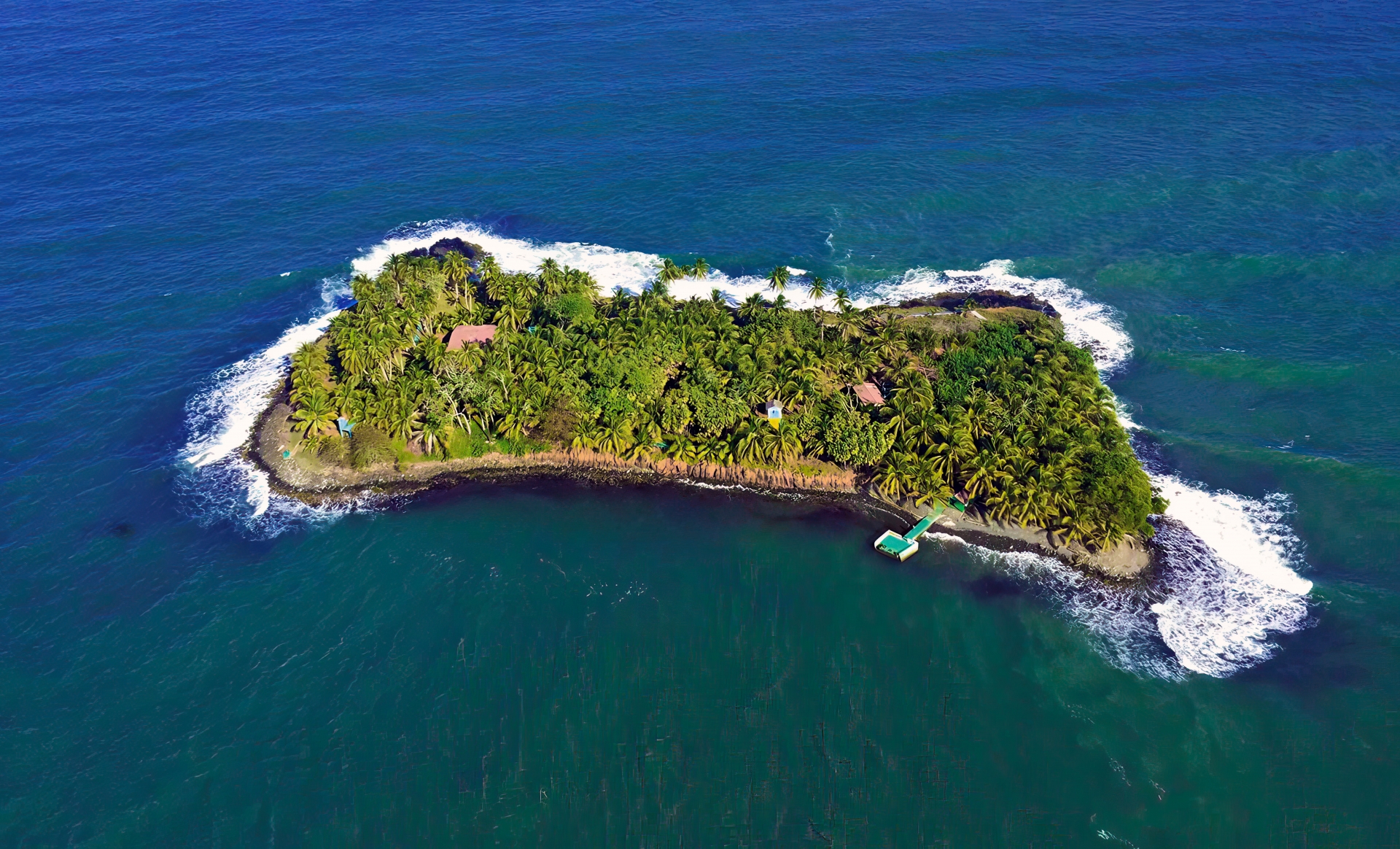
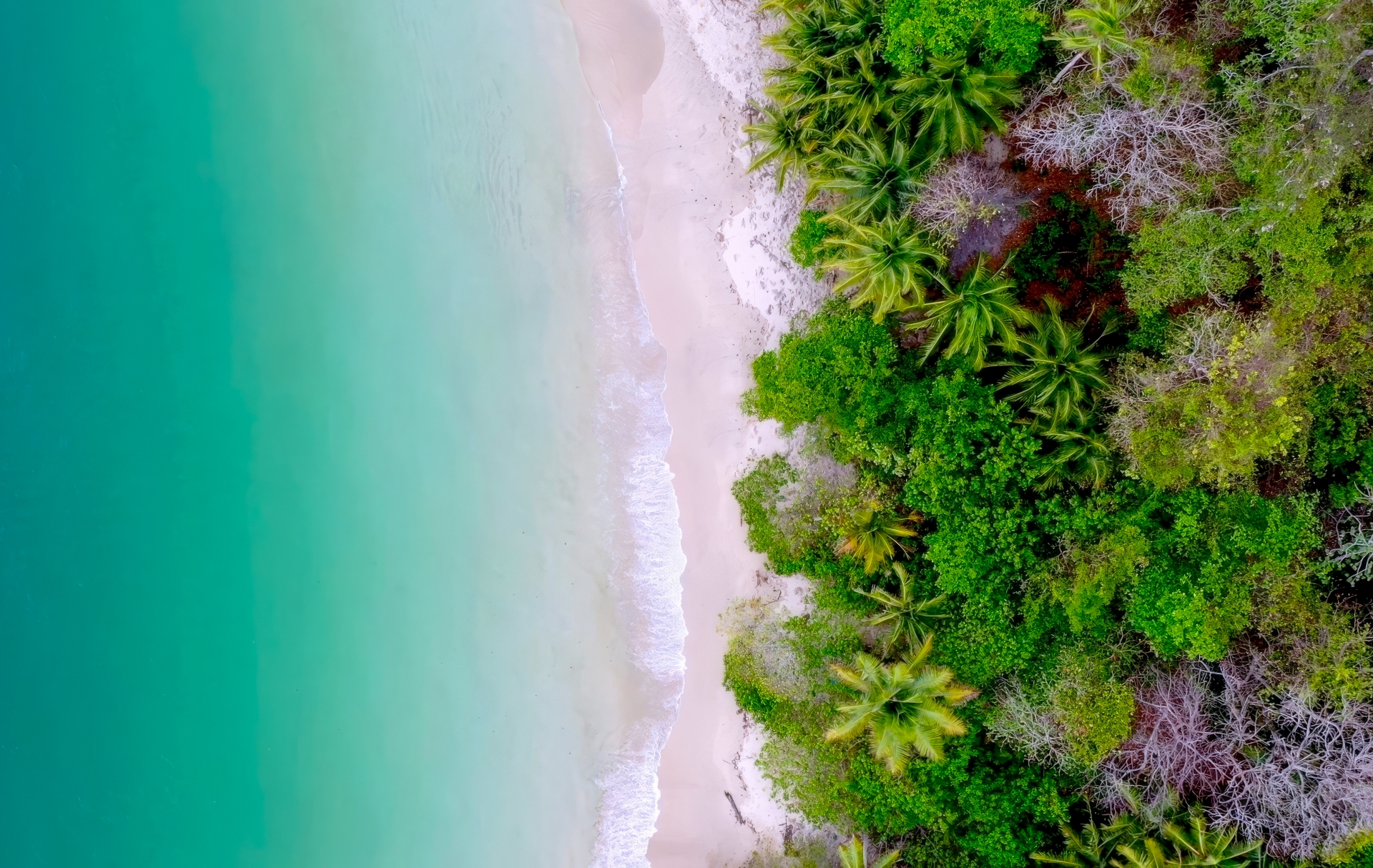
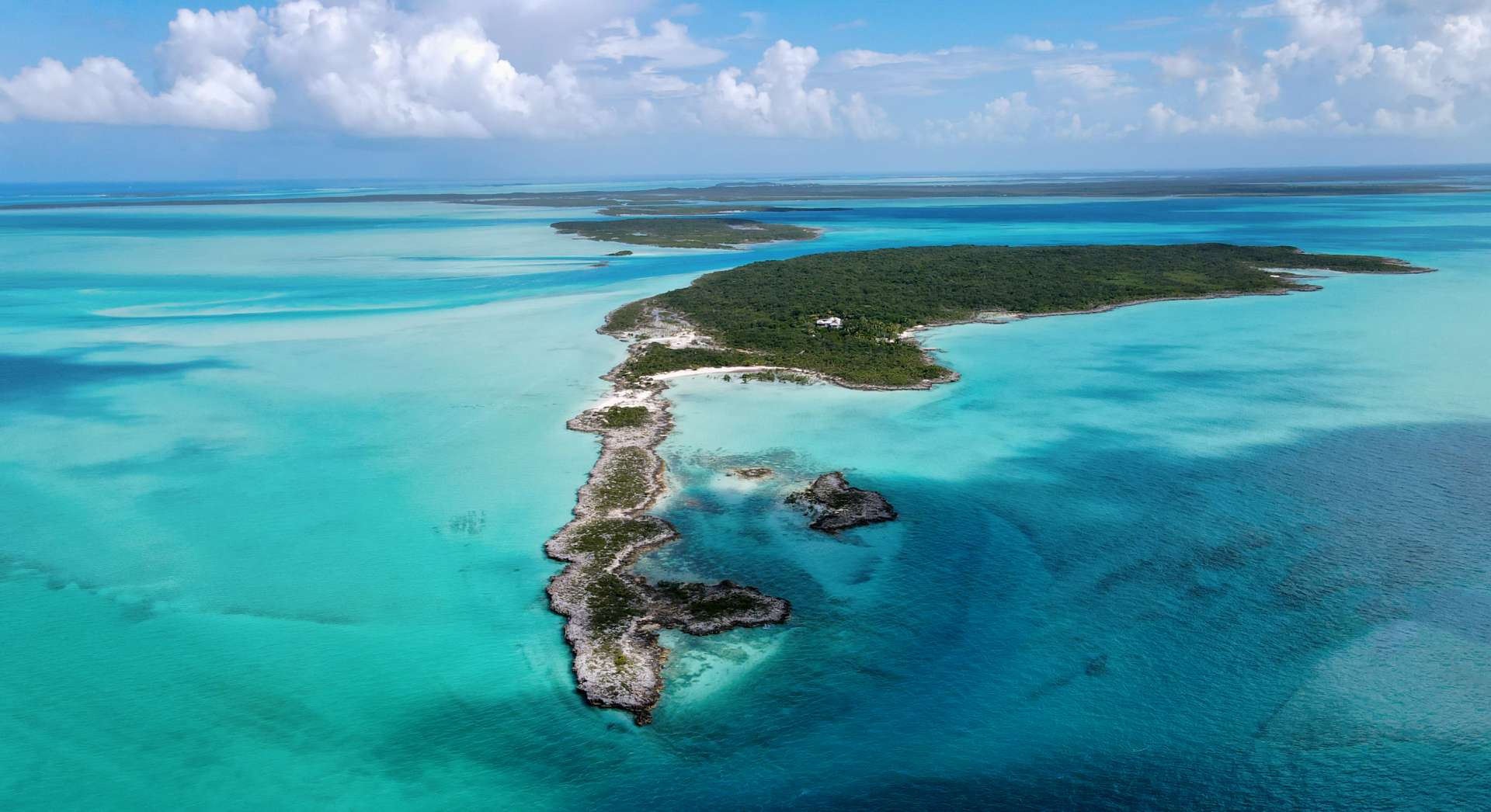
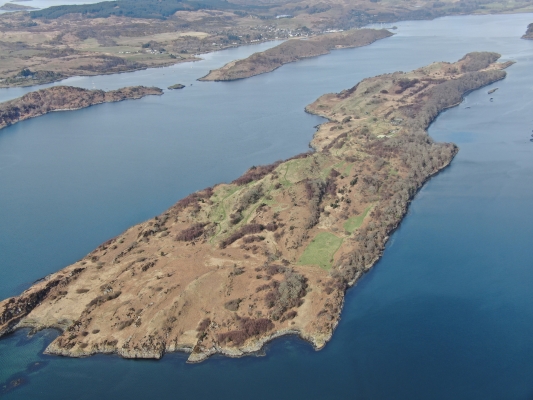
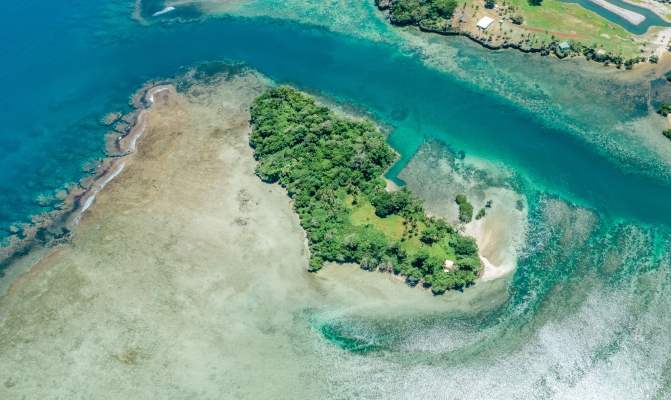
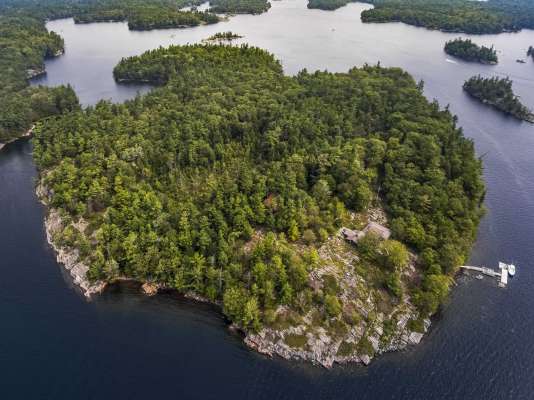
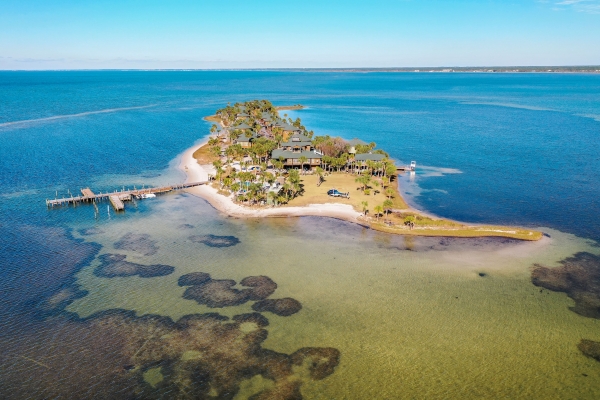
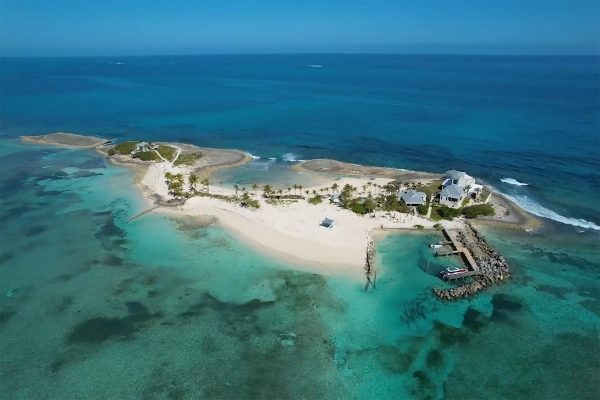
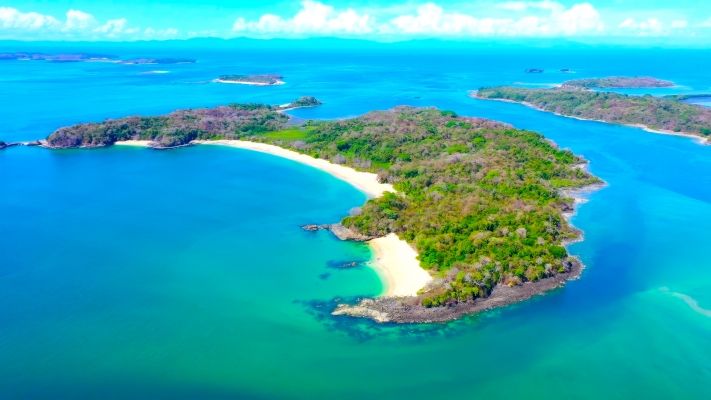
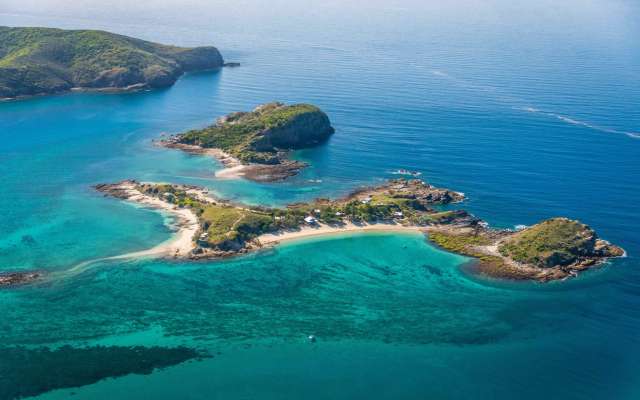
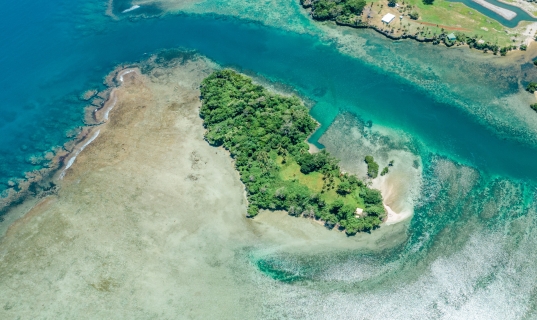
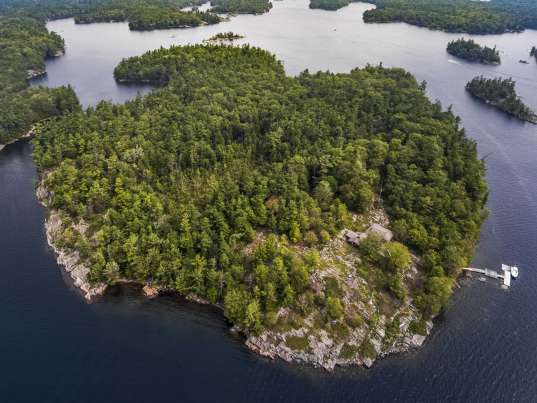
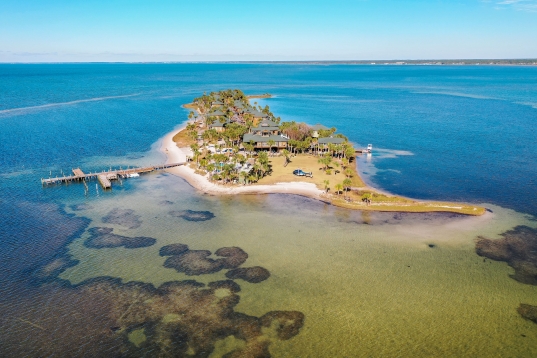
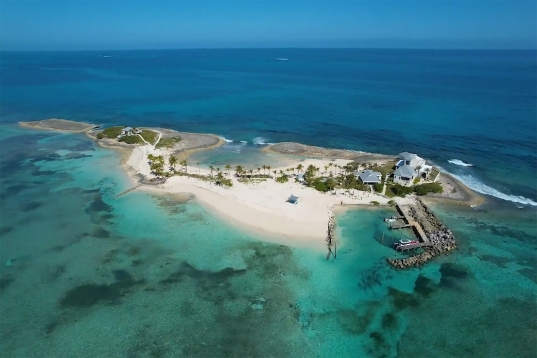
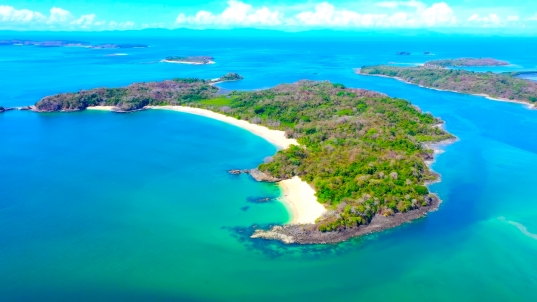
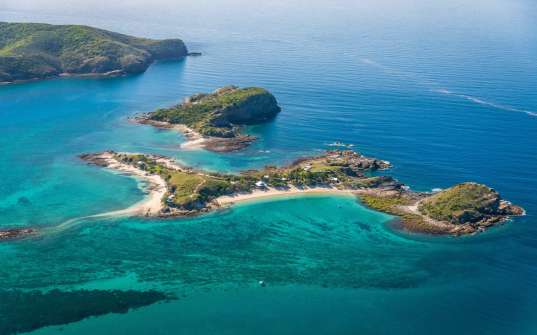
Coral Island, PhilippinesFew islands in the Philippines have such an excellent resort potential as Coral Island, found in the stunningly beautiful region of Palawan. Perfect beaches, sweeping ocean views and exotic coral reefs are currently being enhanced by the development of a luxurious personal villa, with a cabana already in place. Further construction could easily turn this pretty Palawan paradise into a gorgeous resort destination. Coral Island is a 25 hectare island located 29 kilometres from the town of Taytay in Northern Palawan. The island measures approximately 700 metres north to south and 500 metres east to west. The coastline of Coral Island is largely composed of a steep rocky shore except for sandy beaches on the sheltered southern and south western side of the island. A smaller rocky island, Manta island, lies approximately 200 metres from the southwest corner of Coral Island. Both islands are surrounded by fringing reef. The island has large hills with approximately ¼ of the island (8-10 hectares) being flat land at the SW portion. The flat land is behind the beach and extends back about 400-500 metres back to the edge of the hills. This flat land is ideal for resort development. Landscaping and construction is all that's required for development. The island has good year-round water with a deep well and a steel header tank. This dramatically increases the viability of development of the island. The island was formerly home to the Coral Island Dive Resort which was operational until approximately 1998. There are still some buildings standing, and the concrete toilet, bathing facilities and well are in fair condition. A number of the other buildings are in poor condition and will need to be either rebuilt or renovated. Coral Island is immediately adjacent to Flower Island, another prime development property. But Flower Island has only about 2 hectares of beachfront flat land, whereas Coral has approximately 8-10 hectares of very flat and arable land. Northern Palawan Conservation Project Report - Excerpts on Coral Island Between July and September 1998, the island was used as the benchmark for a Coral Reef survey of the surrounding archipelago. The report presented here for the study of the marine resources of Coral Island provides the results of data analysis for the pilot phase in 1998. It includes more detailed results of benthic analysis, impacts and anthropogenic influences on the island and offers recommendations for future work. Five distinct benthic classes were described, distributed relatively evenly around the island. Sections of the reef around Coral Island were physically and biologically diverse and in fair health compared to many other Southeast Asian reefs. Phase 1 of the TBCP – Coral Island Phase 1 of the TBCP was carried out between 15th July - 4th September 1998 by utilising a team of 32 volunteers and staff in collaboration with scientists from the University of Essex based on Coral Island. Fish data analysis Damselfish (Pomacentridae), gobies (Gobidae) and wrasses (Labridae) were the most abundant fish families and were present in all benthic classes. In order to show the status of commercially exploited fish stocks, an assessment of commonly fished groups is also shown. Examination of the fish data revealed that BC 4 contained the greatest abundance and diversity of fish with 107 target fish species and families recorded. BC 1 contained the least diversity of fish with only 24 target groups recorded. The most common species noted were damselfish, gobies and wrasse, which is concurrent with the preliminary report. However, most other target reef fish species were not present or were present in very low numbers. Commercial fish species were generally low in abundance except for spinecheeks in BC 1 (1.0) and Fusilier spp. in BC 4 (1.6). Oceanographic data Data on water temperature, wind strength and direction, current strength and direction, vertical turbidity and salinity were gathered during the course of each baseline survey. Measurements of sub-surface water temperature throughout the water column remained constant at approximately 31°C. The prevailing wind direction was from the south-east and most commonly of wind strength ‘1’ (Light air) on the Beaufort Scale. No current was recorded on 95 out of the 127 surveys. The majority of the recorded current came from the north, with the highest number of ‘strong recordings observed in the east and north-west. Summary of different areas around Coral Island North/ north-west The reefs to the north and north-west of the island were mainly characterised by BC 4: Bedrock, corals, sponges and algae. However this area also had very strong currents which may have resulted in more abundant rubble. This was also observed by the preliminary report, which noted that the north of the island was less diverse and had less large fish than other areas of the island. The voluntary teams also found it very difficult to survey this area because of the strong currents. South-east The reefs in this area were characterised by BC 4: Bedrock, corals, sponges and algae, BC 3: Sand and algae and BC 2: Sand, soft corals and algae. Coral cover increased on the east side towards the south where the most diverse areas lay. Sargassum spp. and other algae species were present in this area, although much less so than the west of the island. South The preliminary report noted that the south reef appeared to be the most diverse. This area was represented by BC 4 between 3 and 25 metres. Below the 20-25 metre line, the preliminary report observed a dominant sand flat, a habitat characterised by BC 3: Sand and algae and BC 2: Sand, soft corals and algae. The south and south-west regions of the island had much weaker currents and these currents were less frequently observed than in the north. This has resulted in a much less exposed area and the potential for a greater diversity of fauna and flora. The fish levels in this area were relatively high. West The west side of the island was characterised by BC 3: Sand and algae and BC 4: Bedrock, corals, sponges and algae. This area had a low diversity of grazing fish and invertebrates, although BC 4 was frequented by some large predatory fish. The area had very high levels of Sargassum spp. Both BC 3 and BC 4 were rich in Sargassum spp. with median abundances of 1.1 and 2.0 respectively. These high abundances of Sargassum spp. are indicative of a phase shift from coral to algae dominated reefs. This transition can be caused by a whole complex of factors for example, decreased herbivory from over-fishing, the reduction of competition from the coral because of death by bleaching, and the introduction of increased nutrient levels. In the case of Coral Island, an obvious explanation for the high biomass of Sargassum spp. would be a phase shift caused by decreased herbivory, exacerbated by the bleaching event of 1998. However, even though there is no obvious point source for increased nutrient input around Coral Island, evidence from the Great Barrier Reef on similar Sargassum spp. communities indicates that wave action may favour the annual cycle of the algae and also disturb high levels of soluble nutrients. In summary, the descriptions of the area around Coral Island indicate a heterogeneous reef. Around the south of the island were high levels of diversity of corals, fish, algae and epifauna. Exposure increased towards the north of the island. The more diverse and species rich BC 4 occurred much more frequently than the classes noted to support less species diversity, such as BC 1: Sand, bedrock and soft coral. The area with the least damage was to the south and south-west of the island where BC 4 dominated. CONCLUSION Phase 1 of the TBCP on Coral Island has shown the reef surrounding the island to support diverse marine communities of hard corals, invertebrates, algae and fish. There are various habitats supporting different groups of organisms. However, patches and areas of recent damage (for example, recent dynamite blast zones and recently dead coral) and indicators of past damage (for example Sargassum spp. patches and barren areas with rubble and opportunistic soft corals) are also present. Anthropogenic impacts such as sewage, litter and sedimentation appear to be low owing to the remoteness of the location and the relatively sparse human population on the surrounding islands. Location: Northern Palawan Size – Hectares 25 hectares Size – Acres 61.75 acres Size - Square Meters 250,000 Land Title Tax Declared Land Zoning Commercial IMPROVEMENTS: Water Very Good Electricity Nil Phone Nil Structures former resort Cell Signal Nil ACCESSIBILITY: Road Access nil Right of Way nil Boat Access Very good, nice sandy bottom, good drop off Anchorage Very Good Shelter semi LAND: Topography Flat to hilly Elevation - Highest 70 metres Elevation - Lowest Sea Level Vegetation Palms and forest Soil sandy and loamy BEACH: Beach frontage 400 metres Sand quality very good Bottom sand & coral Swimming very good Direction Faces SW AESTHETICS: Views Nice view of the islands to the South Wildlife Lots of wildlife Sunset/Sunrise Stunning sunsets Activities Diving, snorkelling, swimming, etc Privacy Absolute |
|


Search Islands for Rent