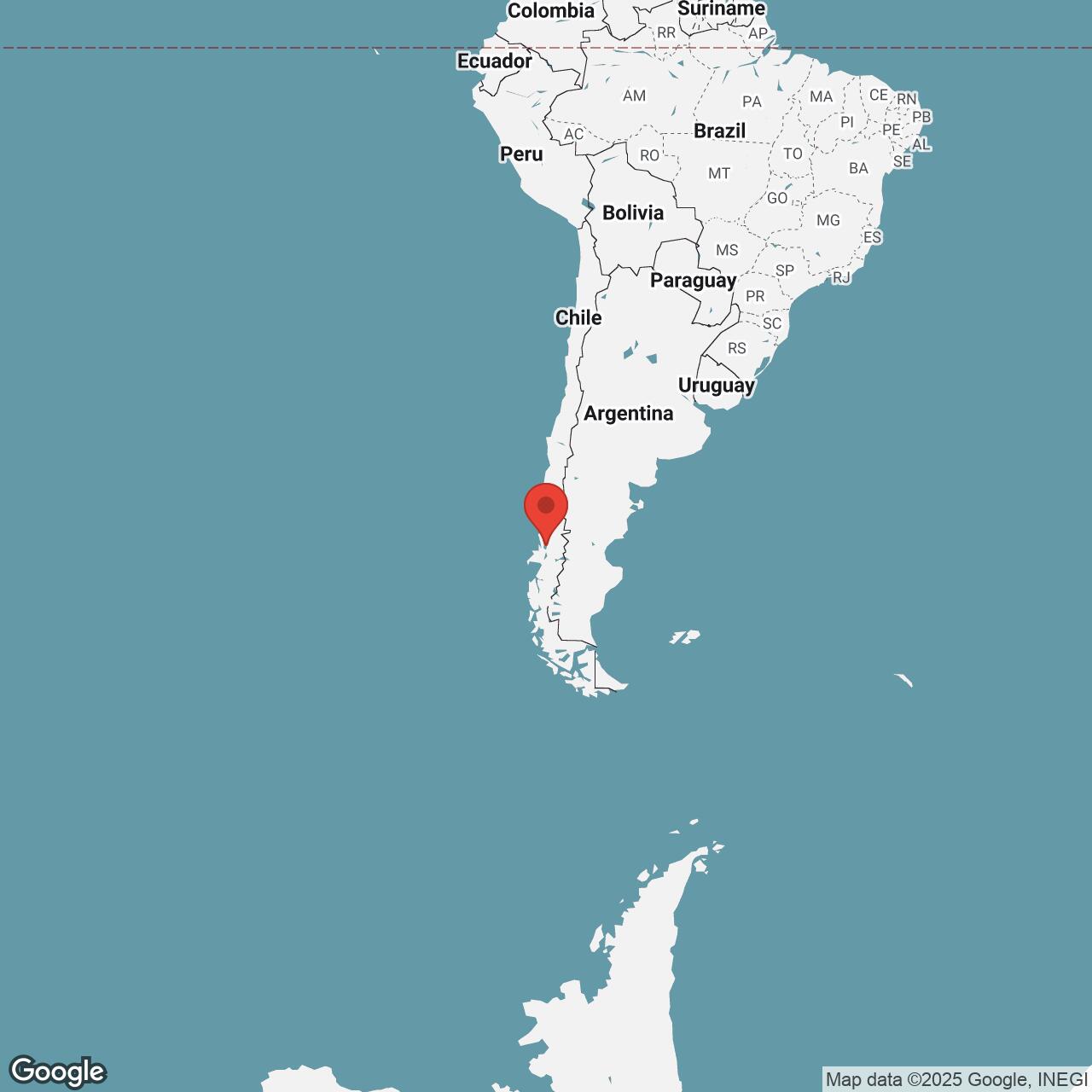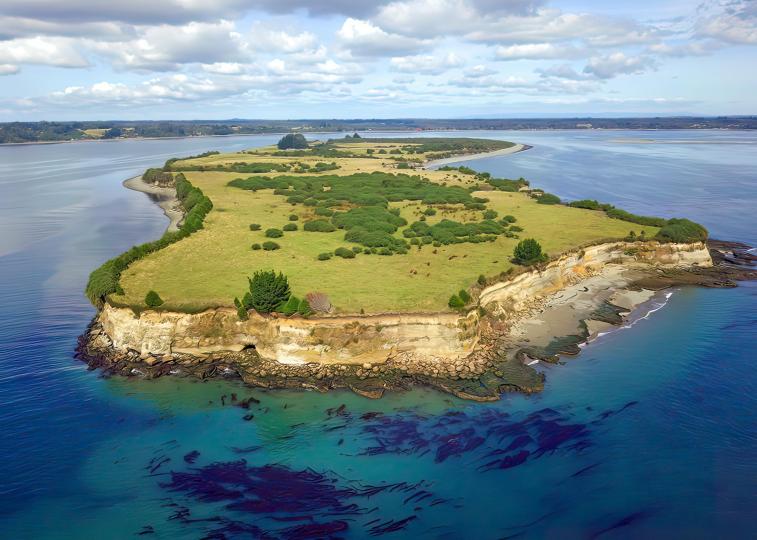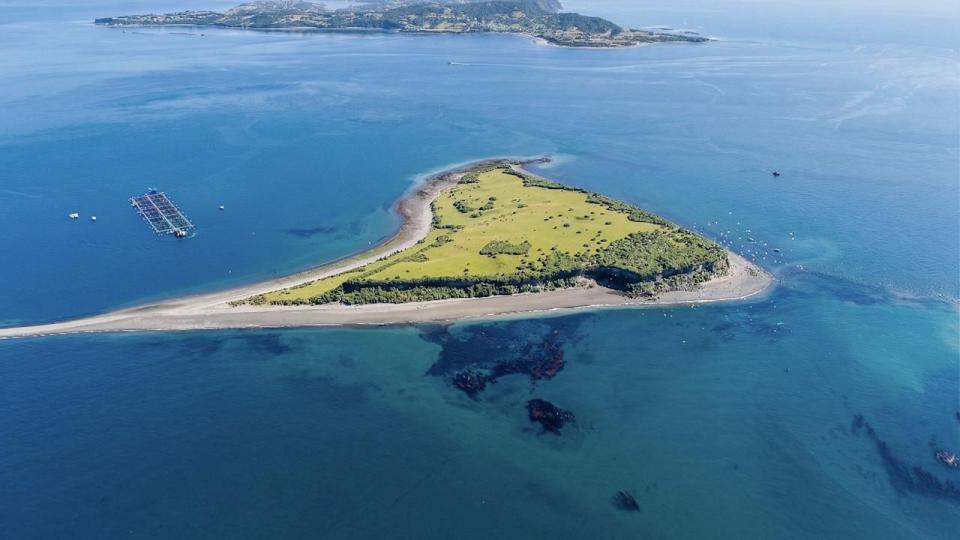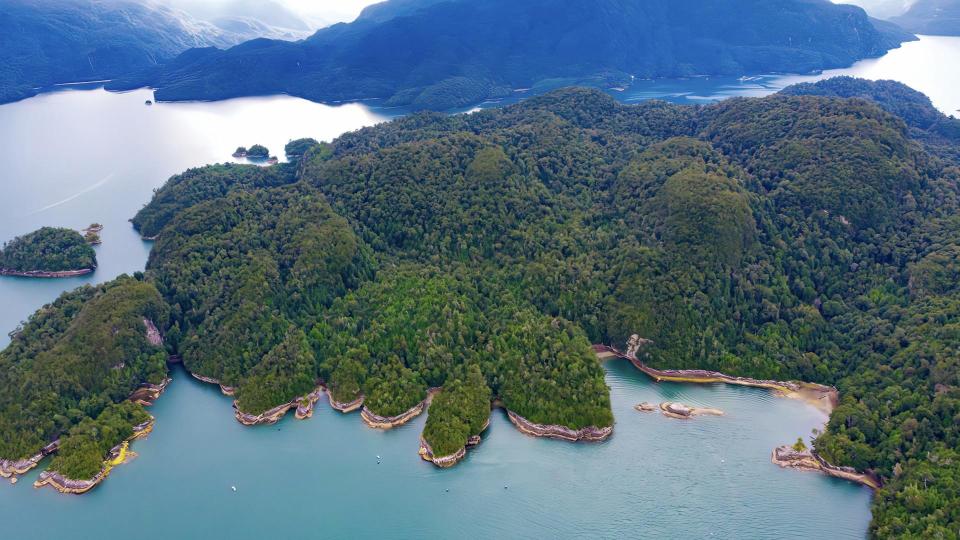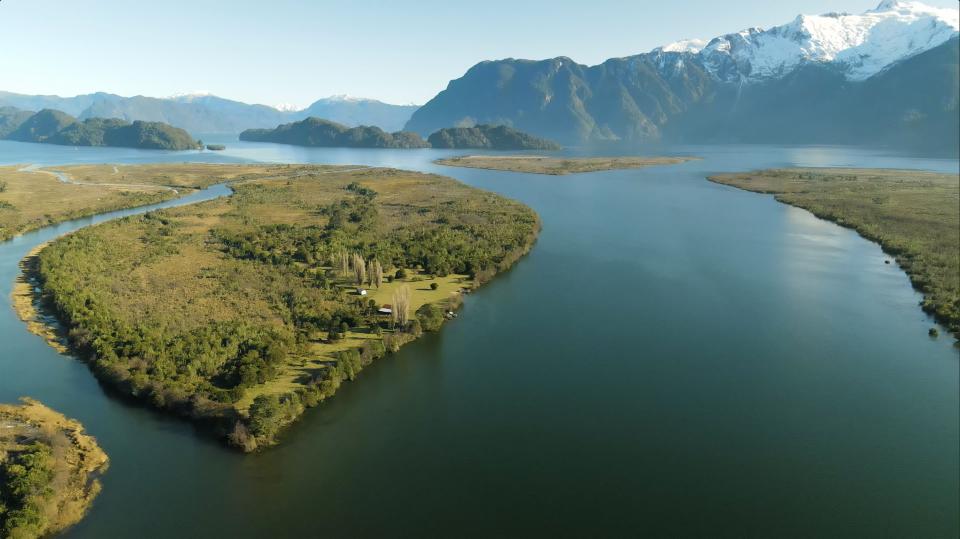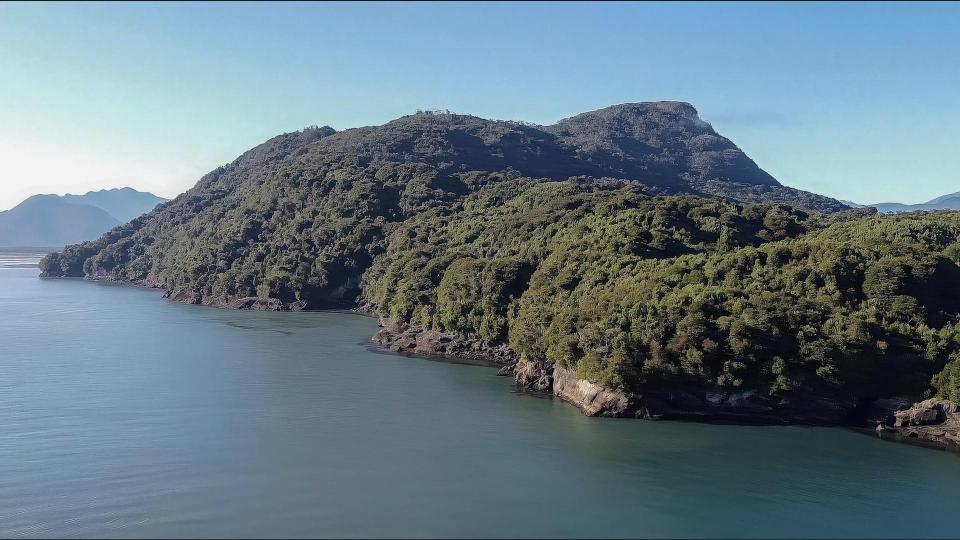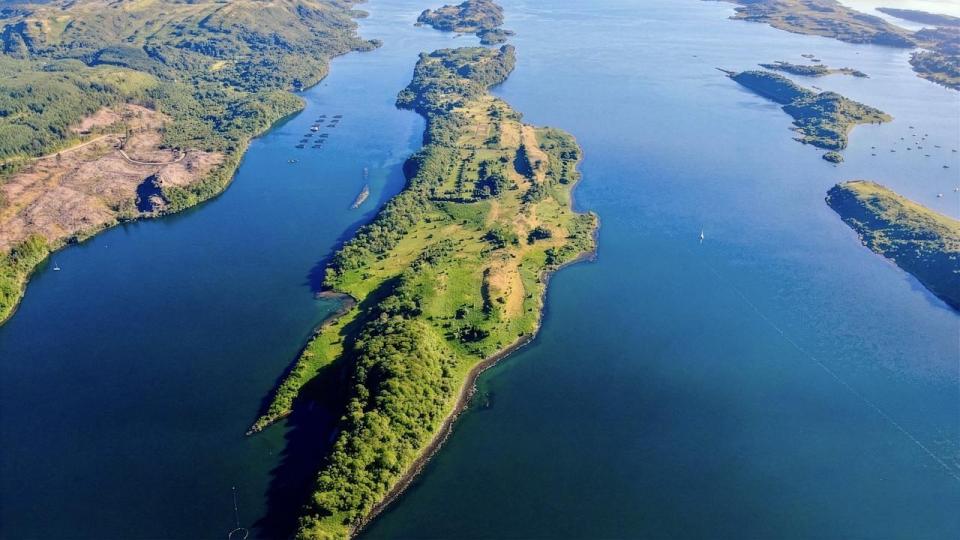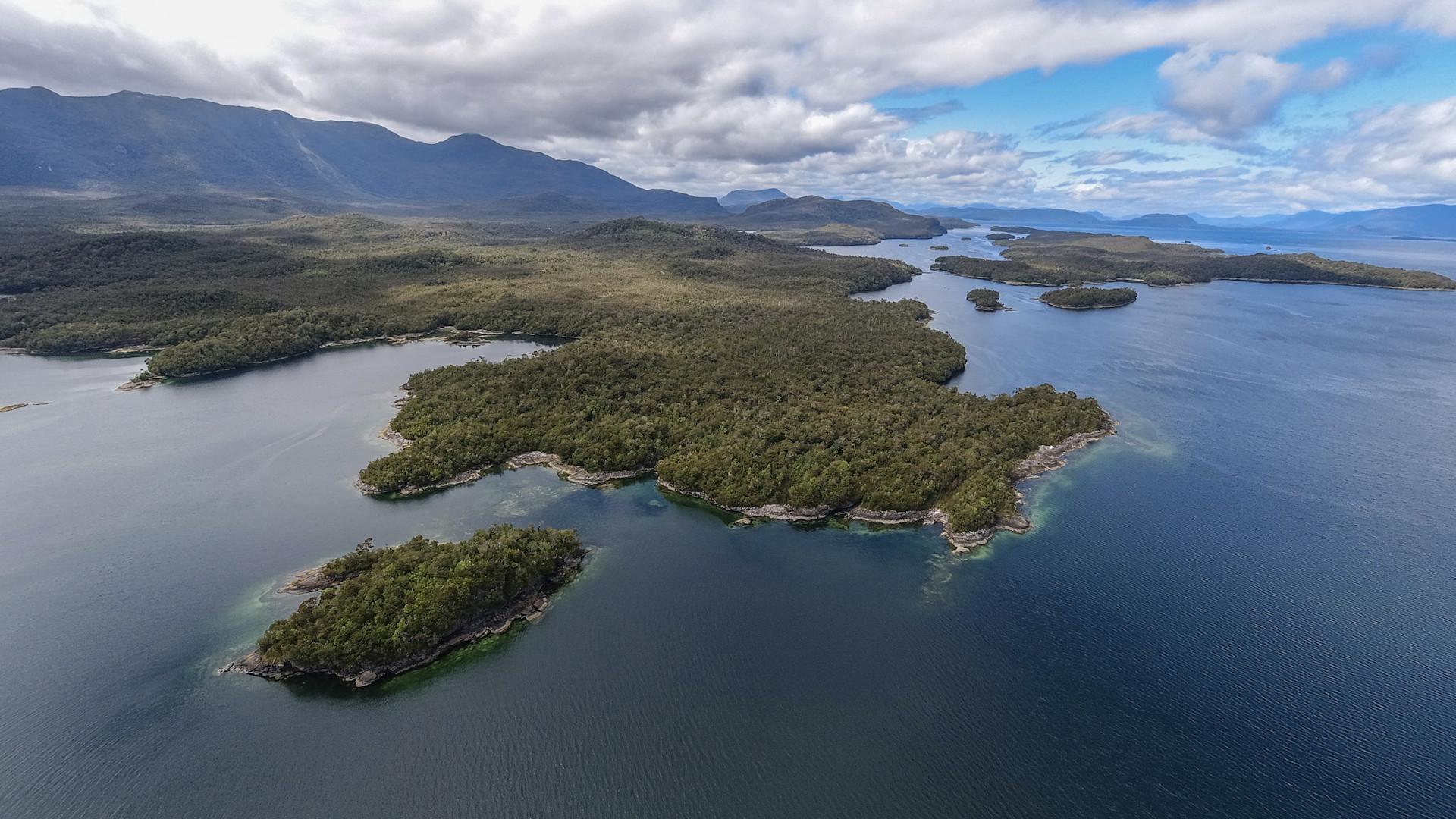
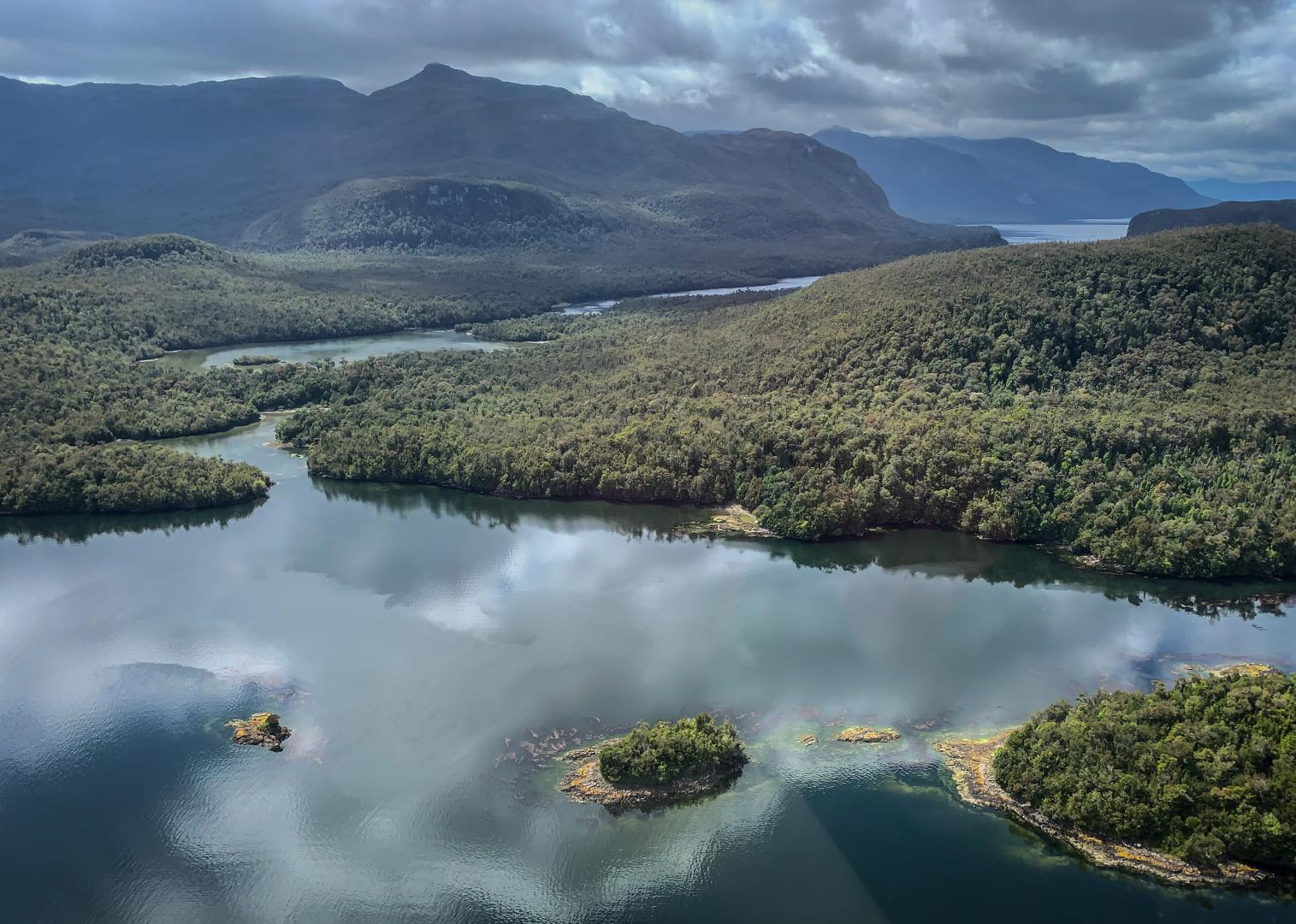
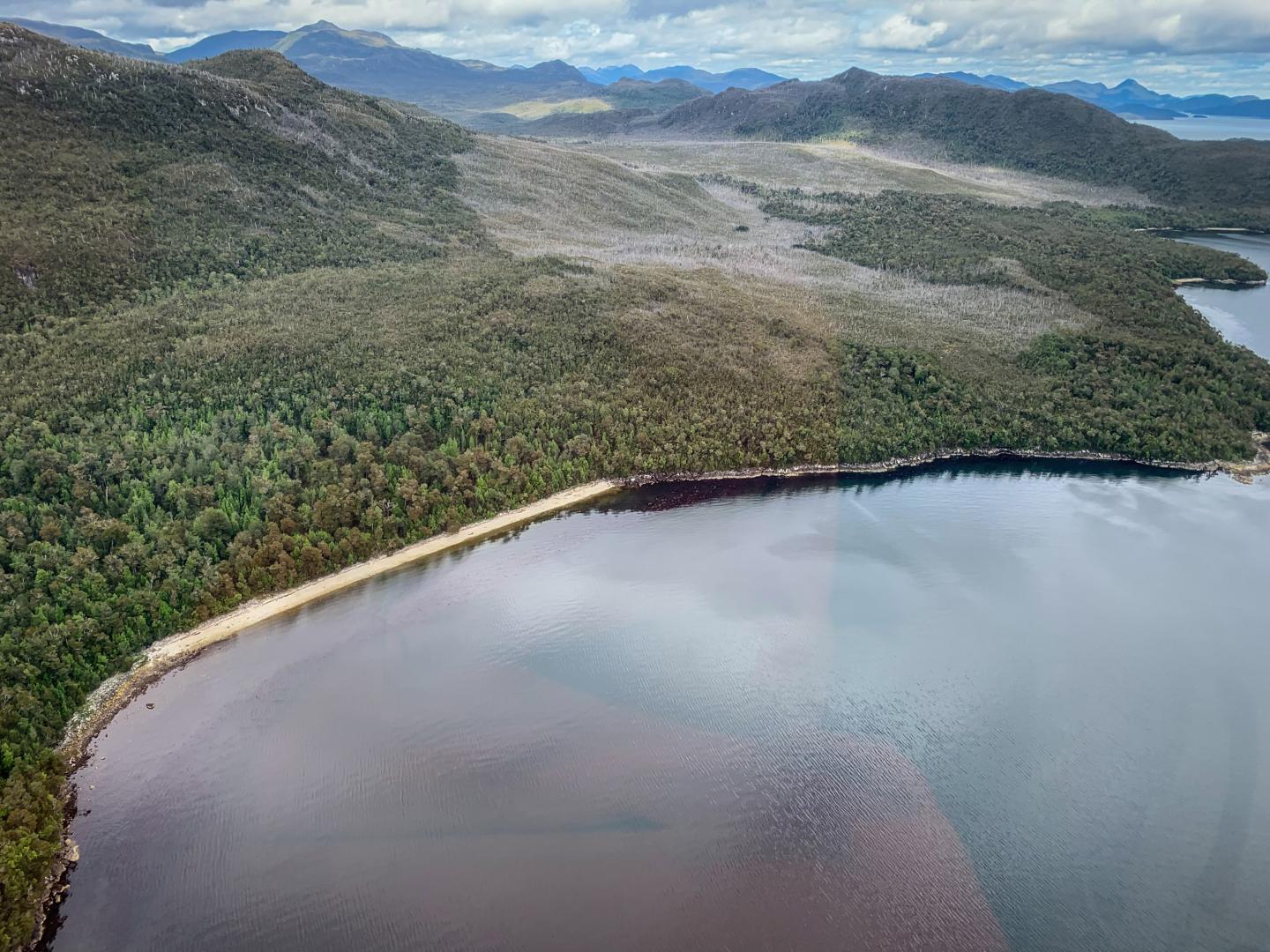
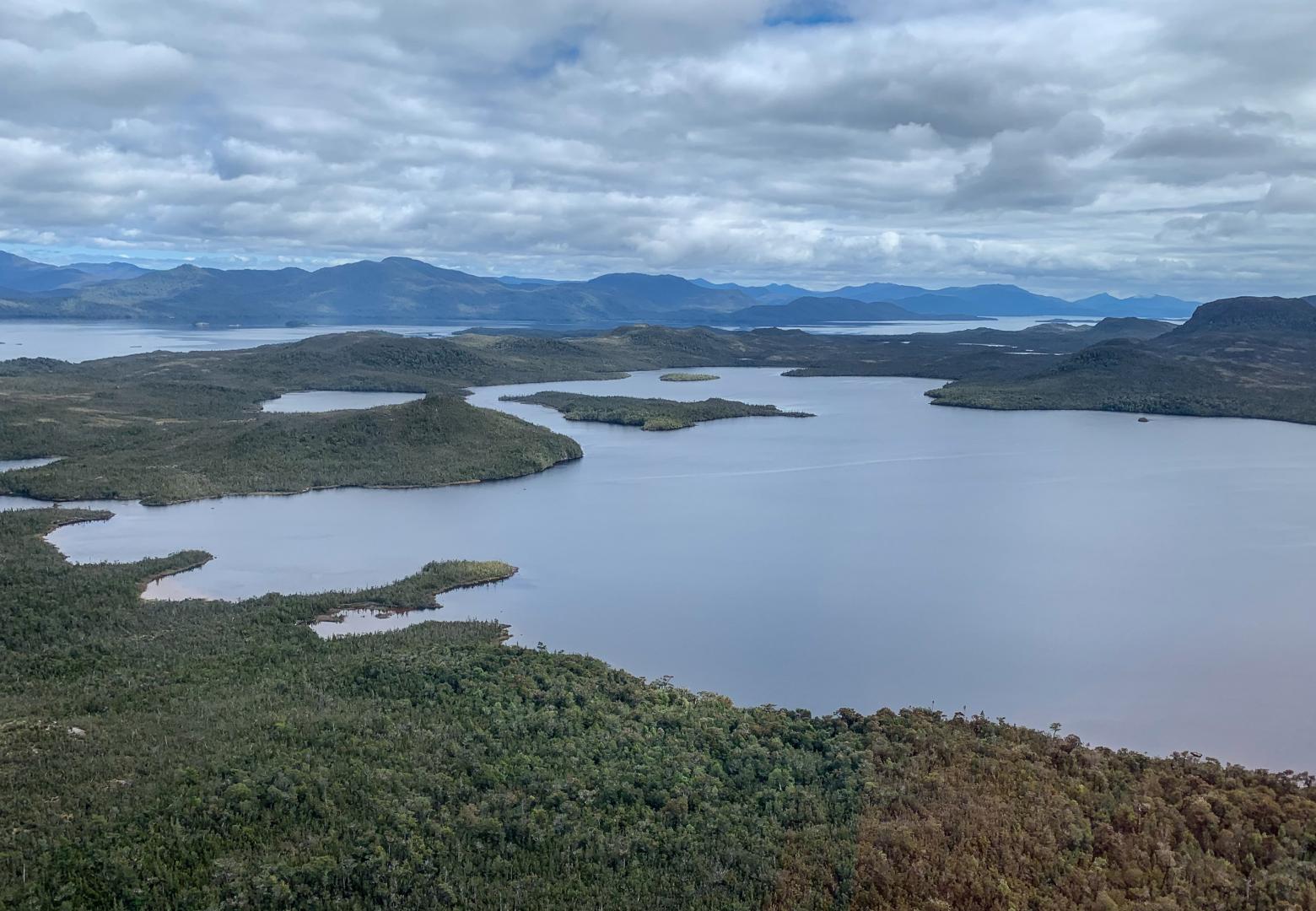
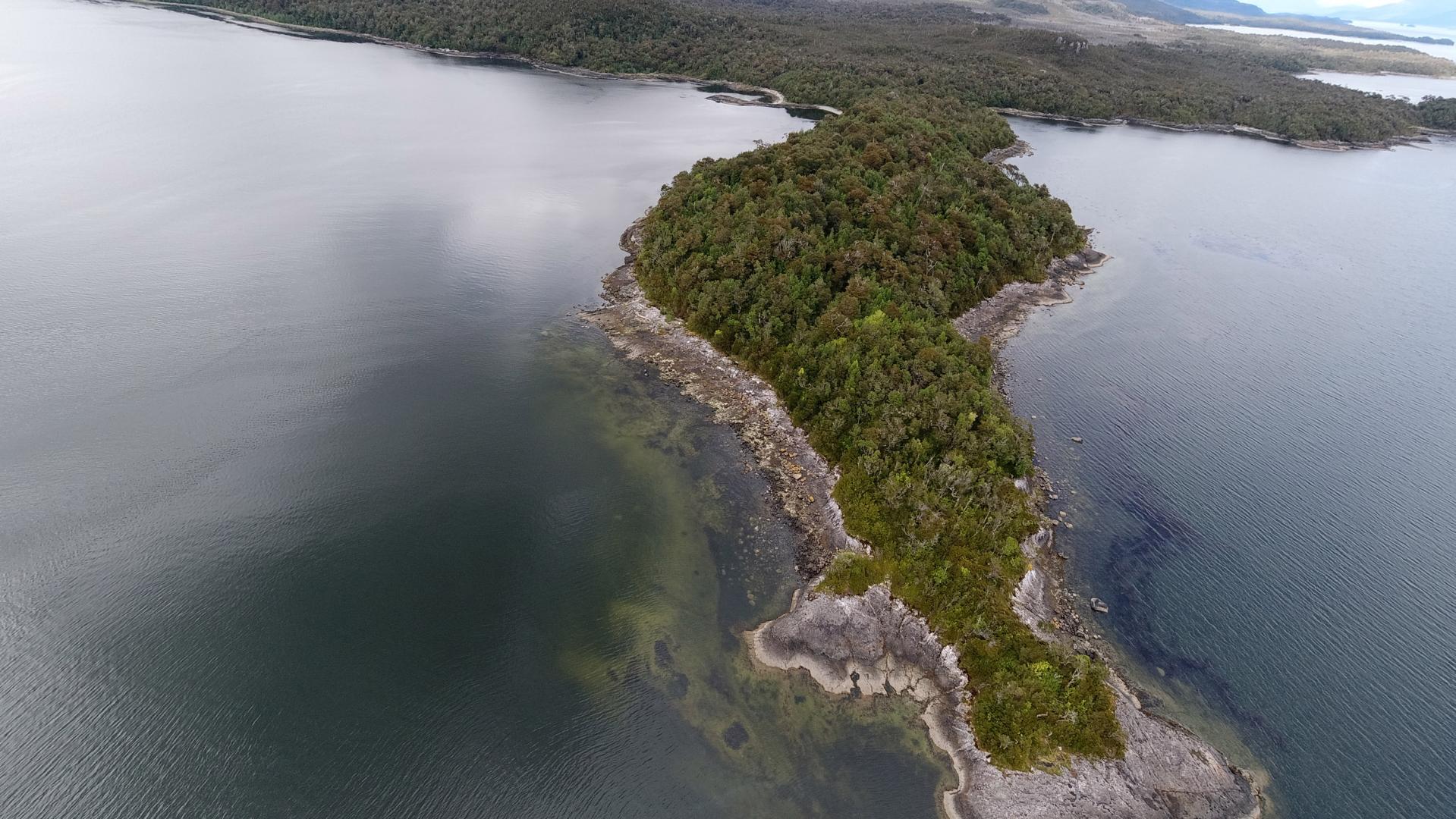
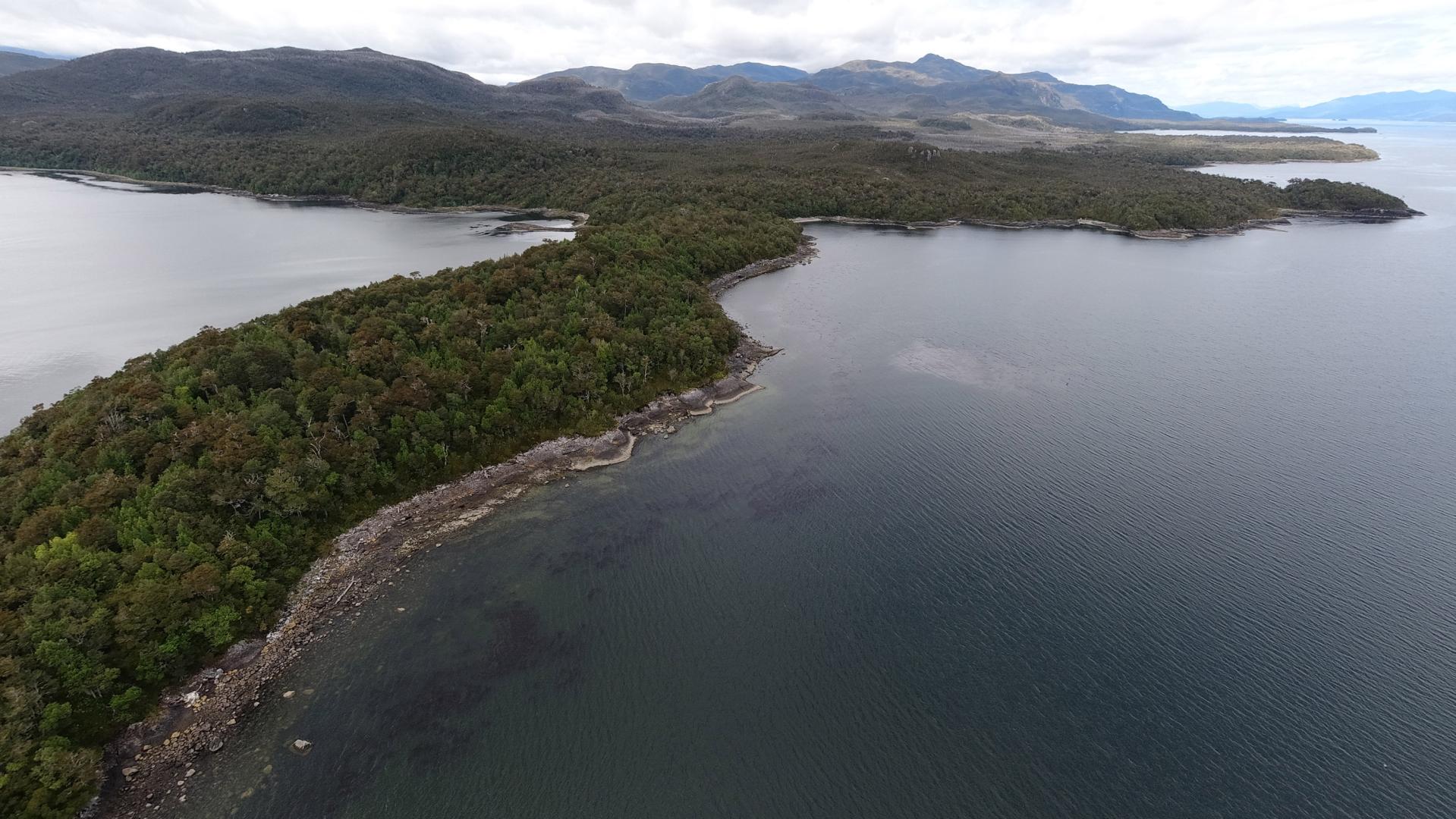
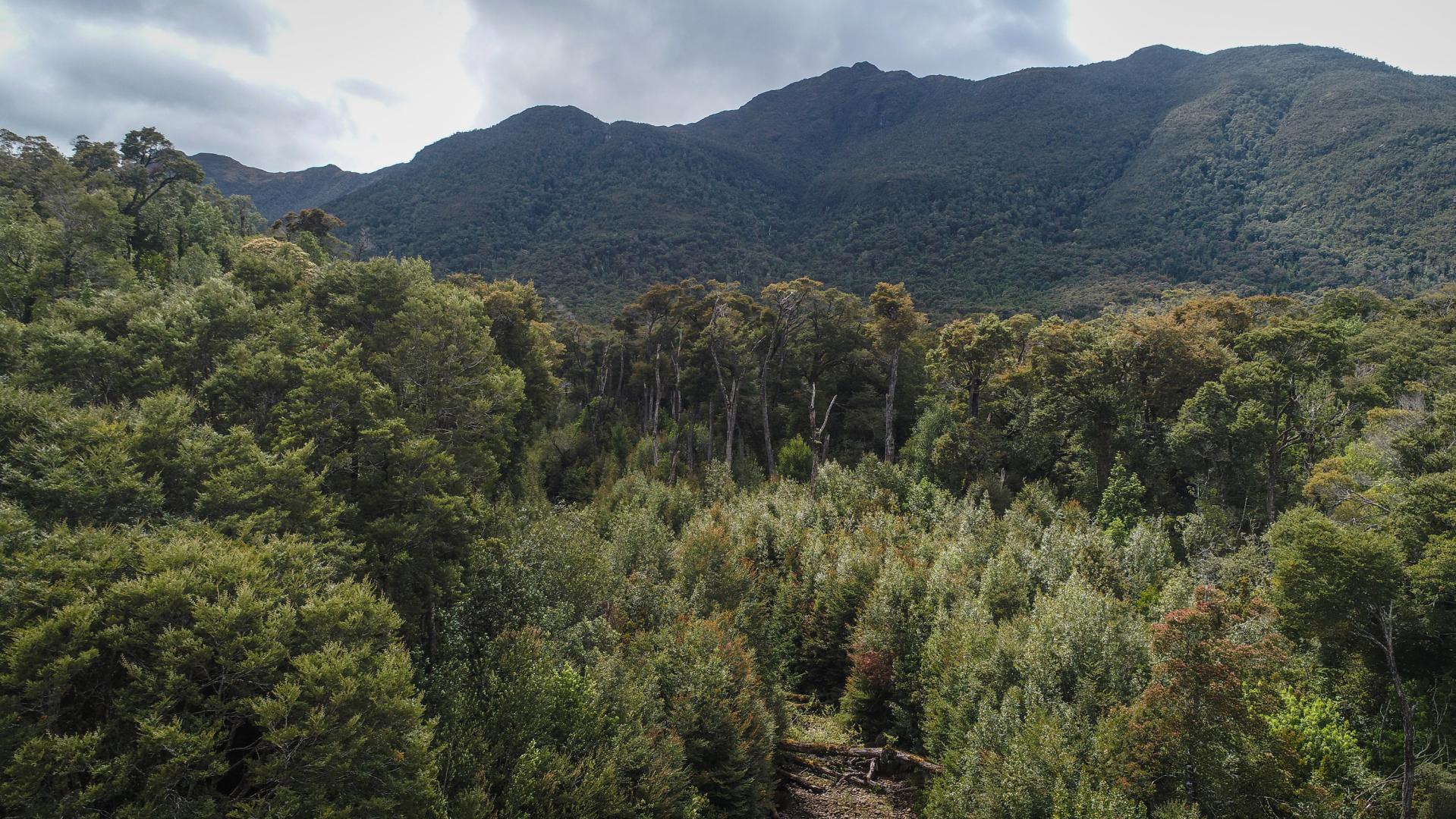
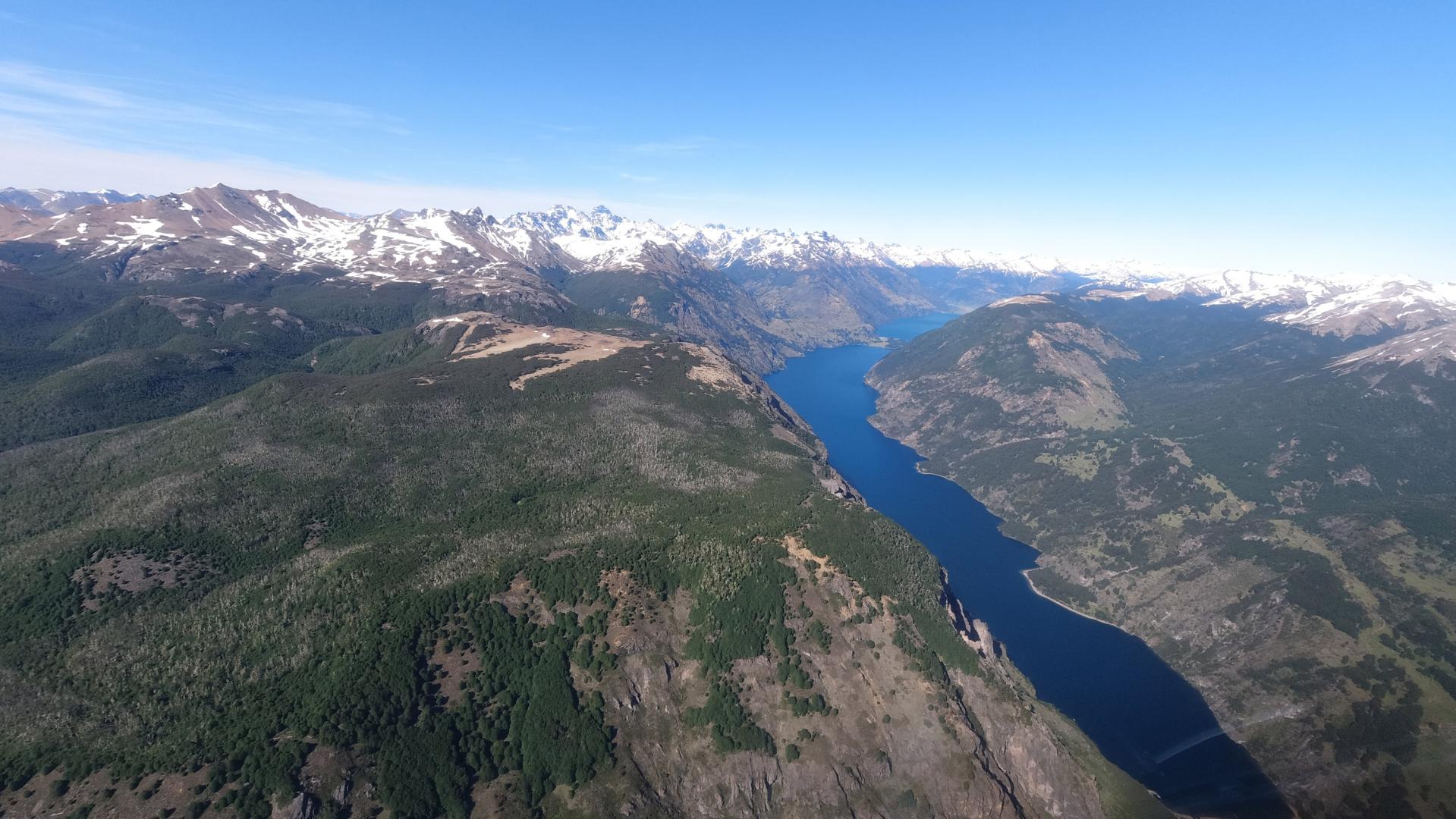
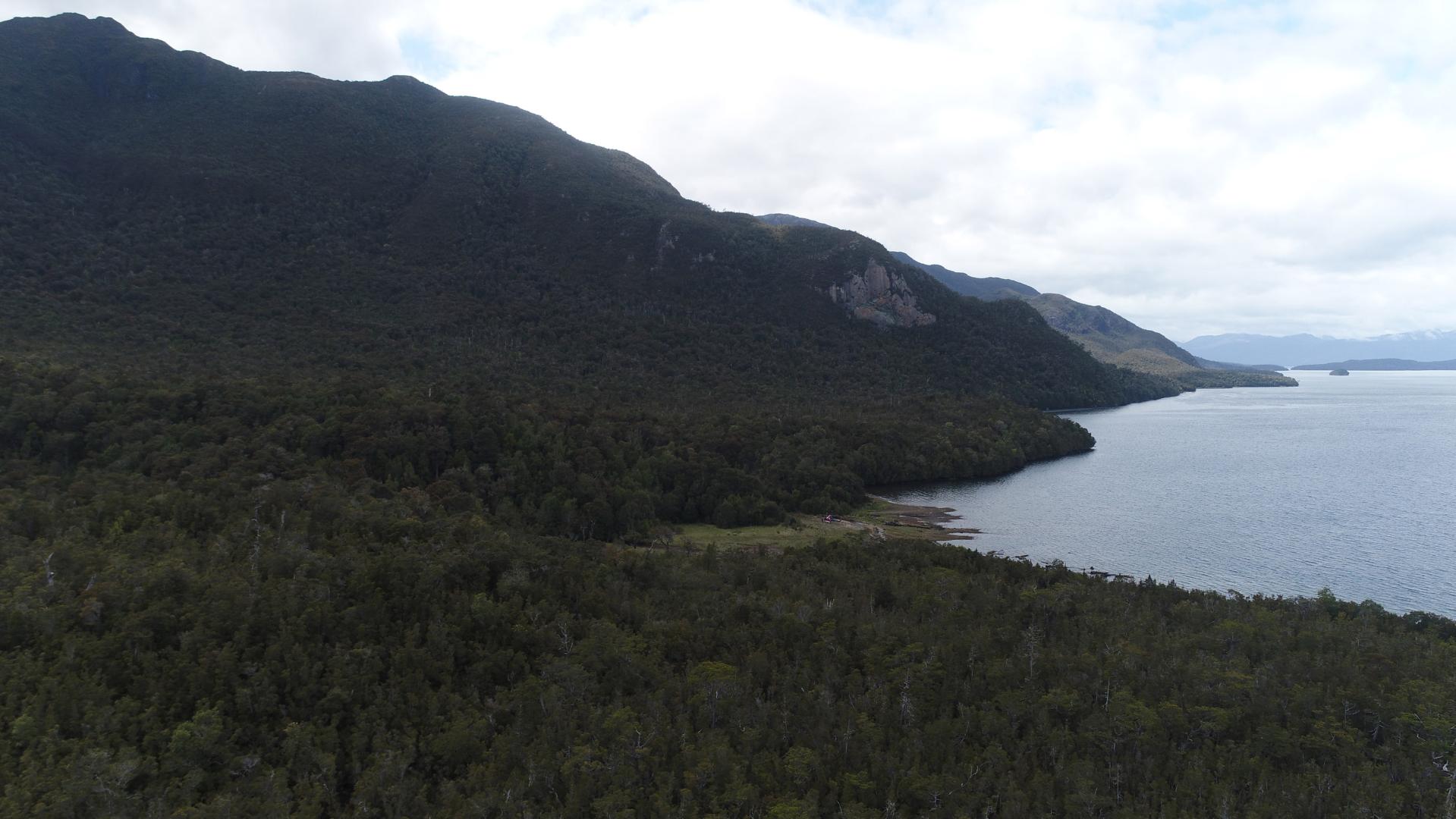
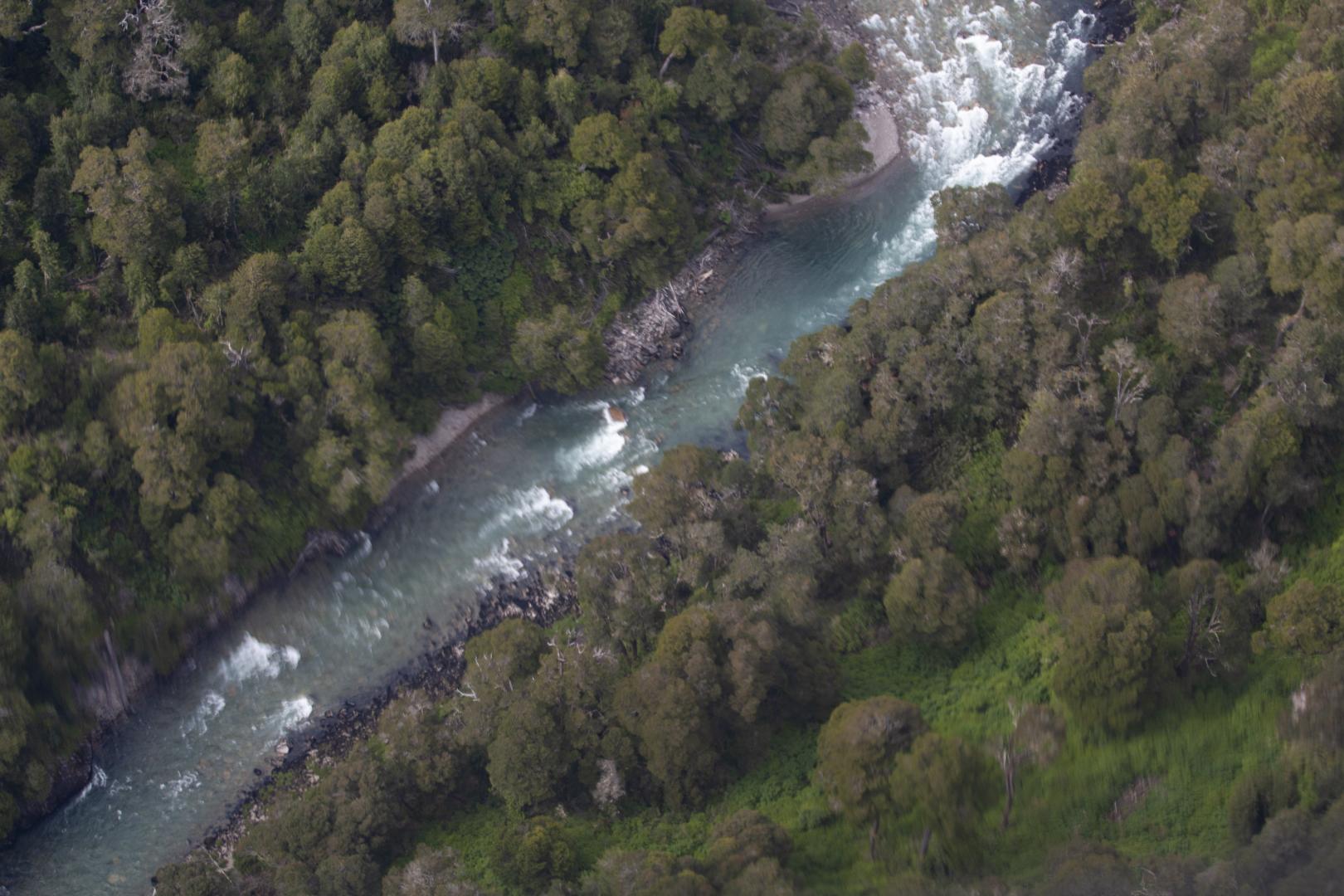
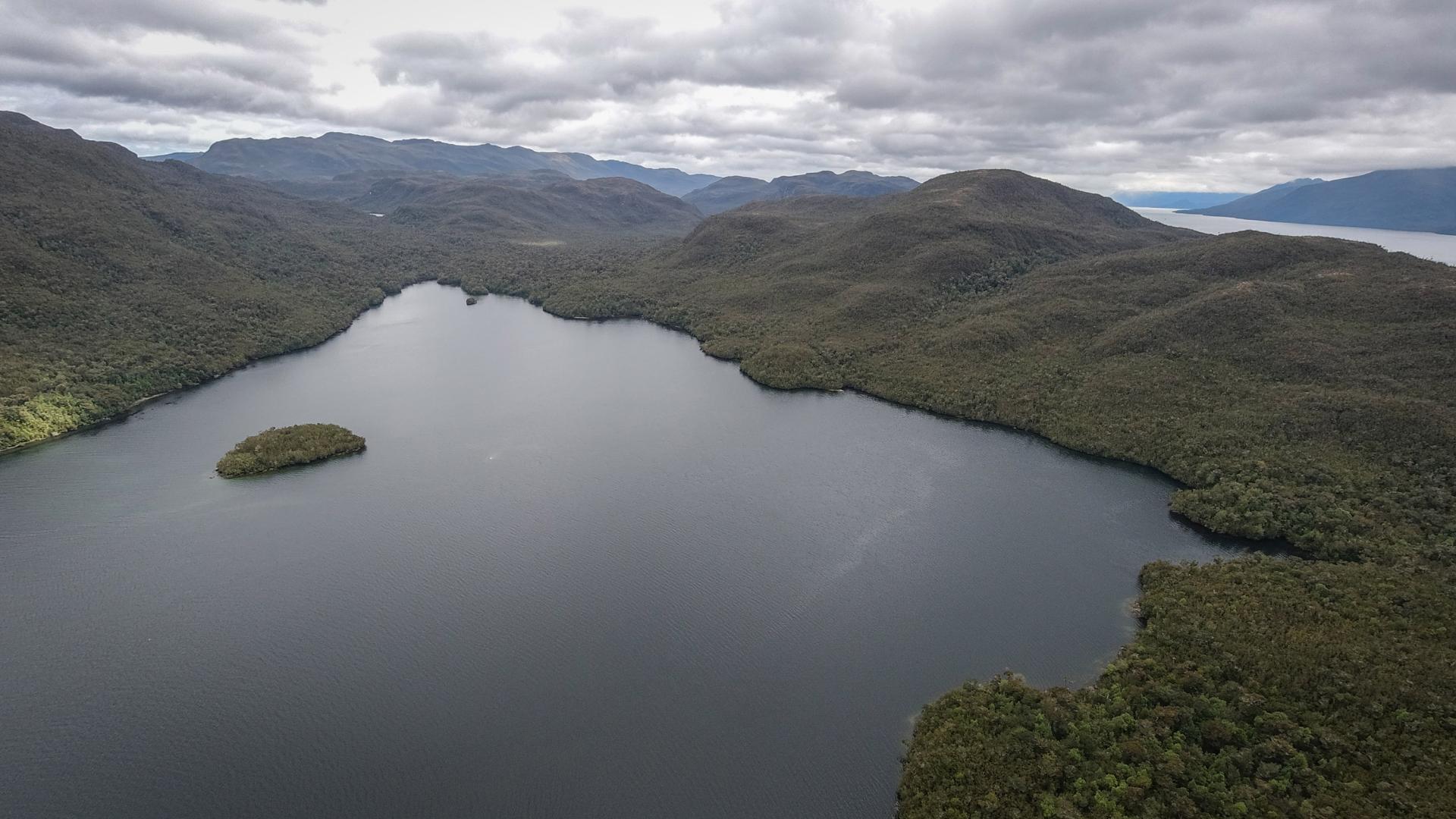
Often referred to as the "Virgin Island," this 108,726-acre landmass is one of the most significant private conservation opportunities on the planet. Seven times the size of Manhattan, this Patagonian giant is a self-contained ecosystem of ancient forests, high mountain peaks, and deep-water fjords. Owned by a visionary conservationist for over a decade, the island has been strictly protected as a "living laboratory." In a 2026 market defined by climate resilience and the intrinsic value of natural capital, this island stands as a premier "Carbon Sink" and a definitive legacy asset for the world’s most significant environmental stewards.
Property Details
The island is a pristine wilderness with no permanent modern infrastructure, offering a rare "zero-baseline" for conservation or high-end ecological research.
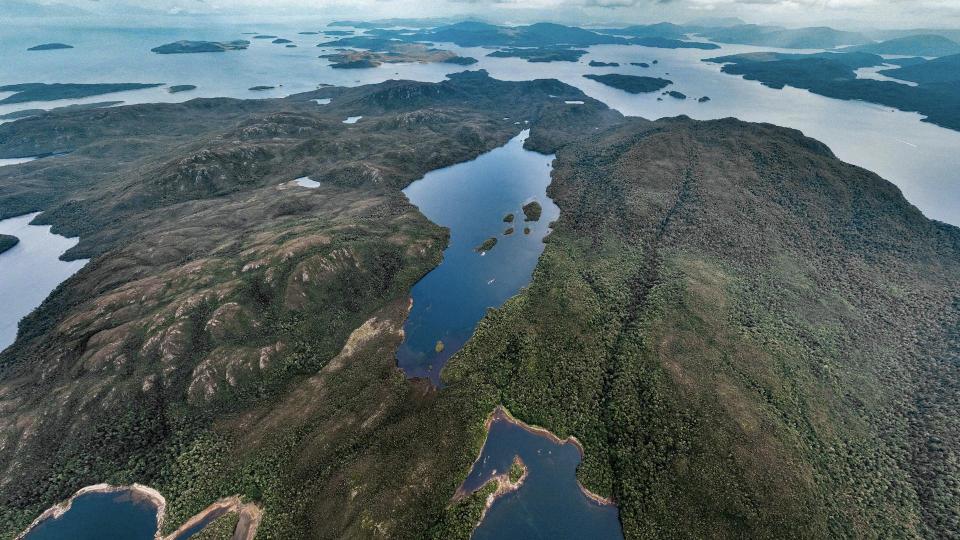
Geological Scale: The island spans over 108,000 acres of varied terrain, from sea-level wetlands to soaring mountain ridges that trap moisture and create a unique microclimate.
The Mallines: Large areas of the island are composed of mallines (high-altitude wetlands), which act as critical carbon sequesters and natural water filters.
Investment Profile: Marketed at USD 35,000,000, the island represents a unique price-per-acre value for a contiguous freehold landholding of this scale. It is a strategic acquisition for those seeking to pioneer the "Conservation Economy."
Land and Water
Freshwater is the island’s most valuable resource, existing in a volume that is practically extinct elsewhere.
The Lakes: Two massive interior lakes—measuring approximately 7 km2 and 4.5 km2—are situated within the island's core, fed by pristine snowmelt. Over 80 smaller lagoons are scattered across the landscape.
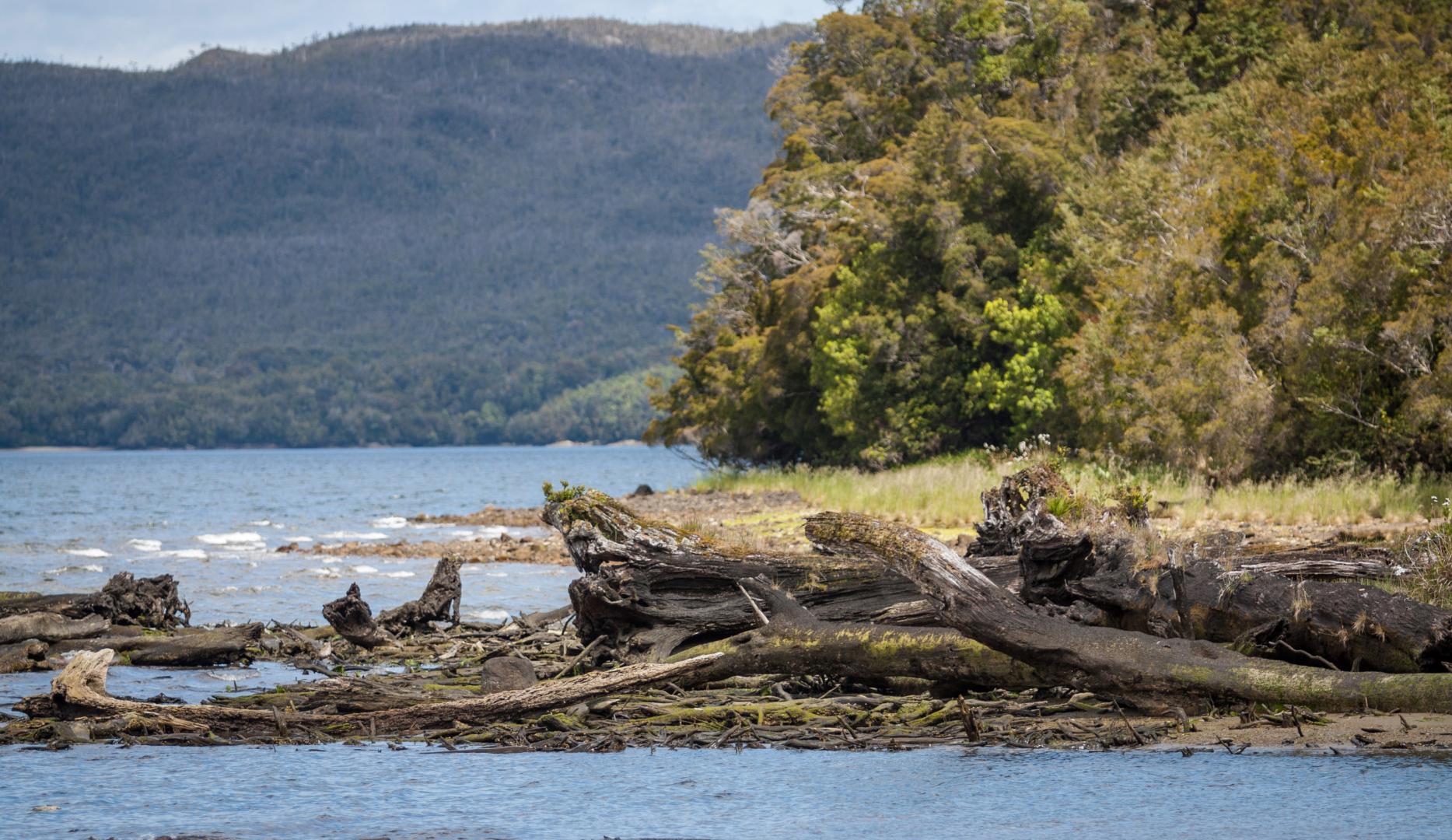
The Coastline: With over 150 miles of undulating coastline, the island features countless virgin beaches, hidden fjords, and deep-water bays that provide sheltered anchorage for exploration vessels.
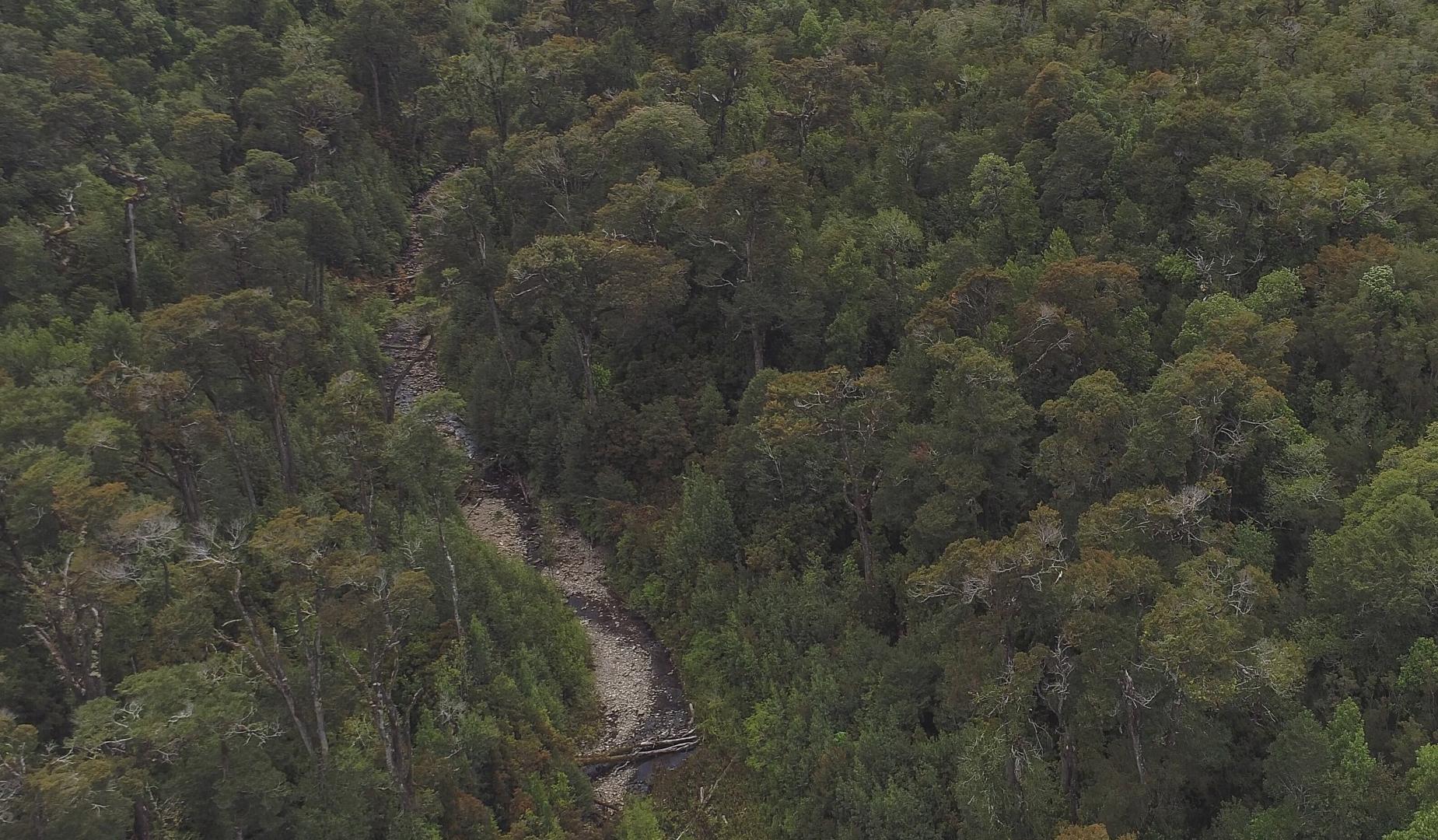
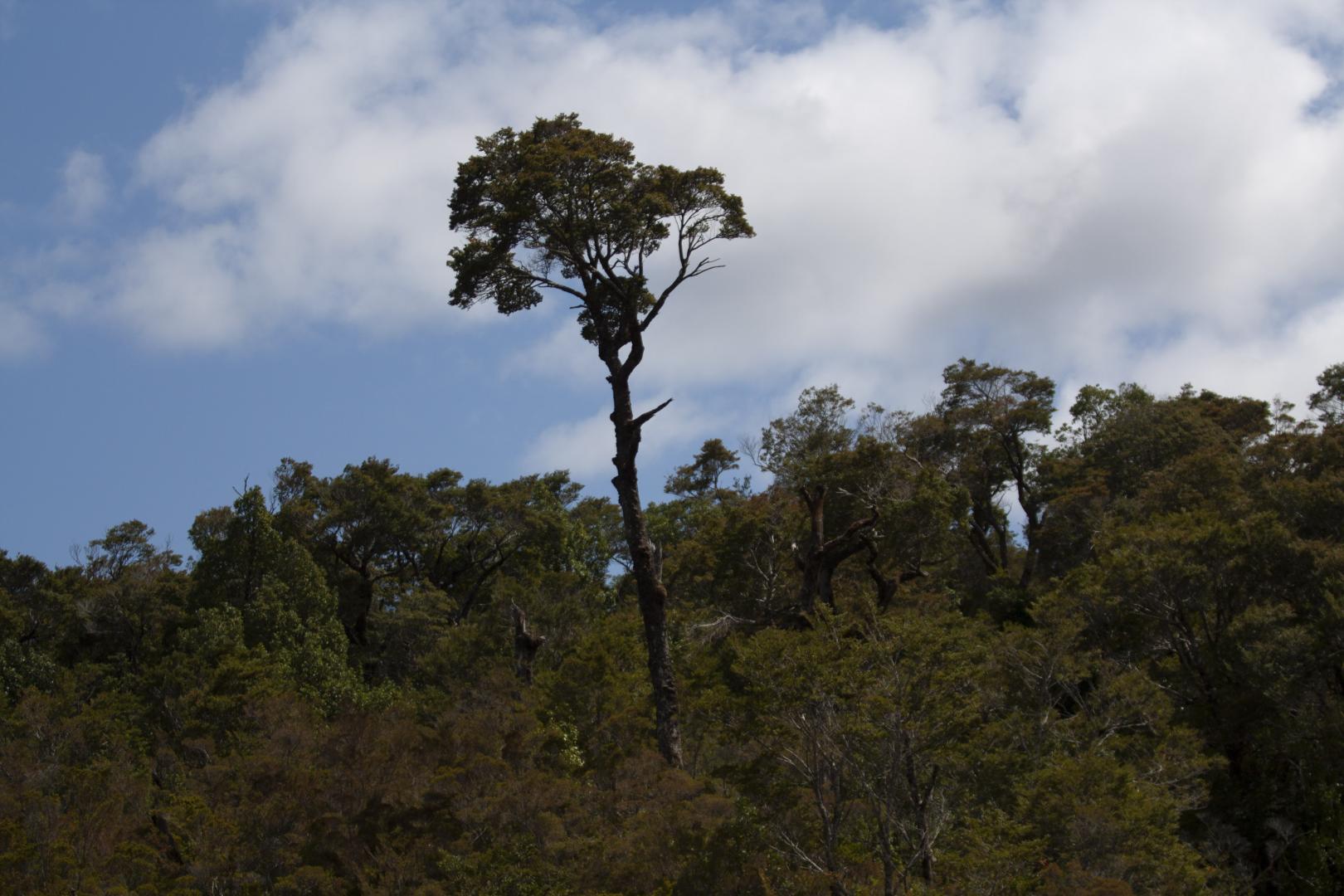
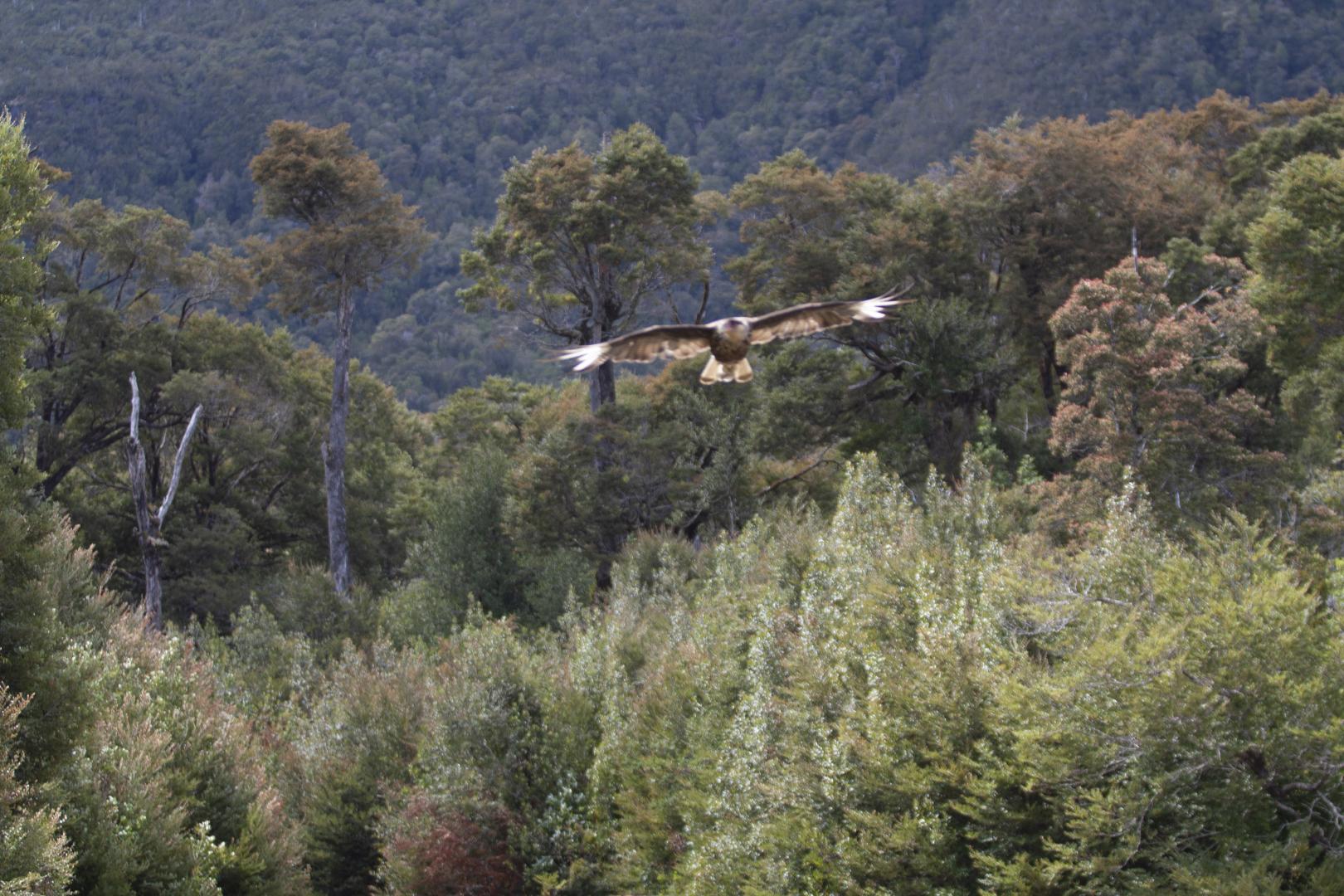
Flora & Fauna: The island is a sanctuary for the endangered Huemul (South Andean deer) and the Darwin’s Frog. Its ancient forests are thick with Alerce (Larch) trees, some of which are among the oldest living organisms on Earth.
Access and Utilities
While profoundly isolated, the Aysén Region is increasingly serviced by high-end logistics and regional infrastructure.
Transit: Access is typically conducted via helicopter or private vessel from the regional hub of Balmaceda or Melinka. The island’s protected canals allow for safe maritime navigation even in the variable Patagonian weather.
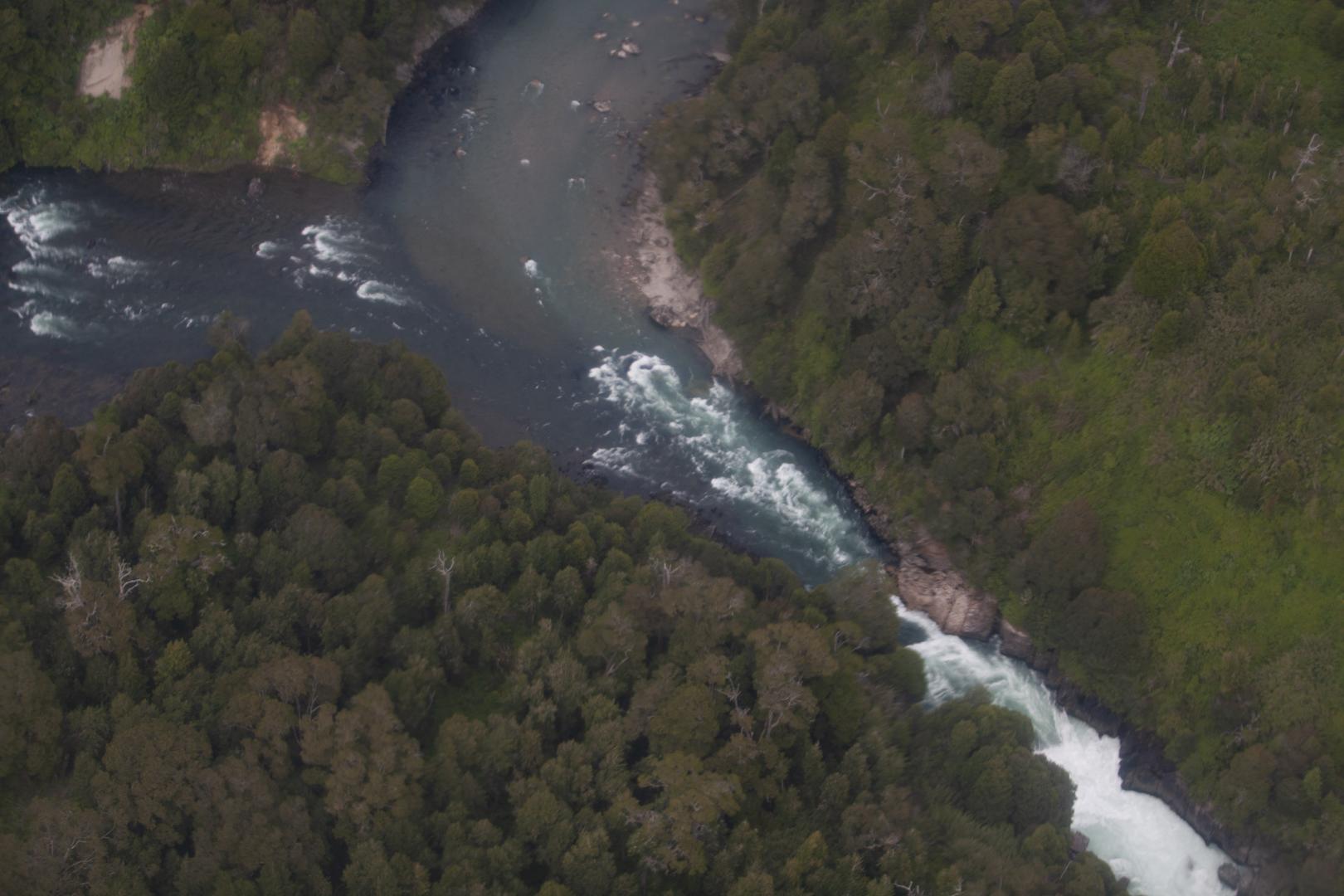
Self-Sufficiency: The abundance of vertical river drop and consistent wind speeds make the island a prime candidate for a 100% renewable micro-grid, utilizing both micro-hydro and wind power.
Stewardship: A local indigenous community of approximately 40 people has a long-standing contractual agreement to reside on a small portion of the island, serving as dedicated ecological partners and guardians of the land.
Lifestyle and Value
Ownership of this island is an act of global stewardship. It is a place for the individual who seeks to disconnect from the digital age and reconnect with the Earth’s original state. From fly-fishing in rivers that have never seen a lure to trekking through valleys that have never been mapped, the lifestyle here is one of pure discovery. As Patagonia becomes a primary destination for "Climate Refuge" investment, this 44,000-hectare reserve offers the ultimate security: a resilient, biodiverse, and vast territory that will only increase in ecological and financial value over the coming century.