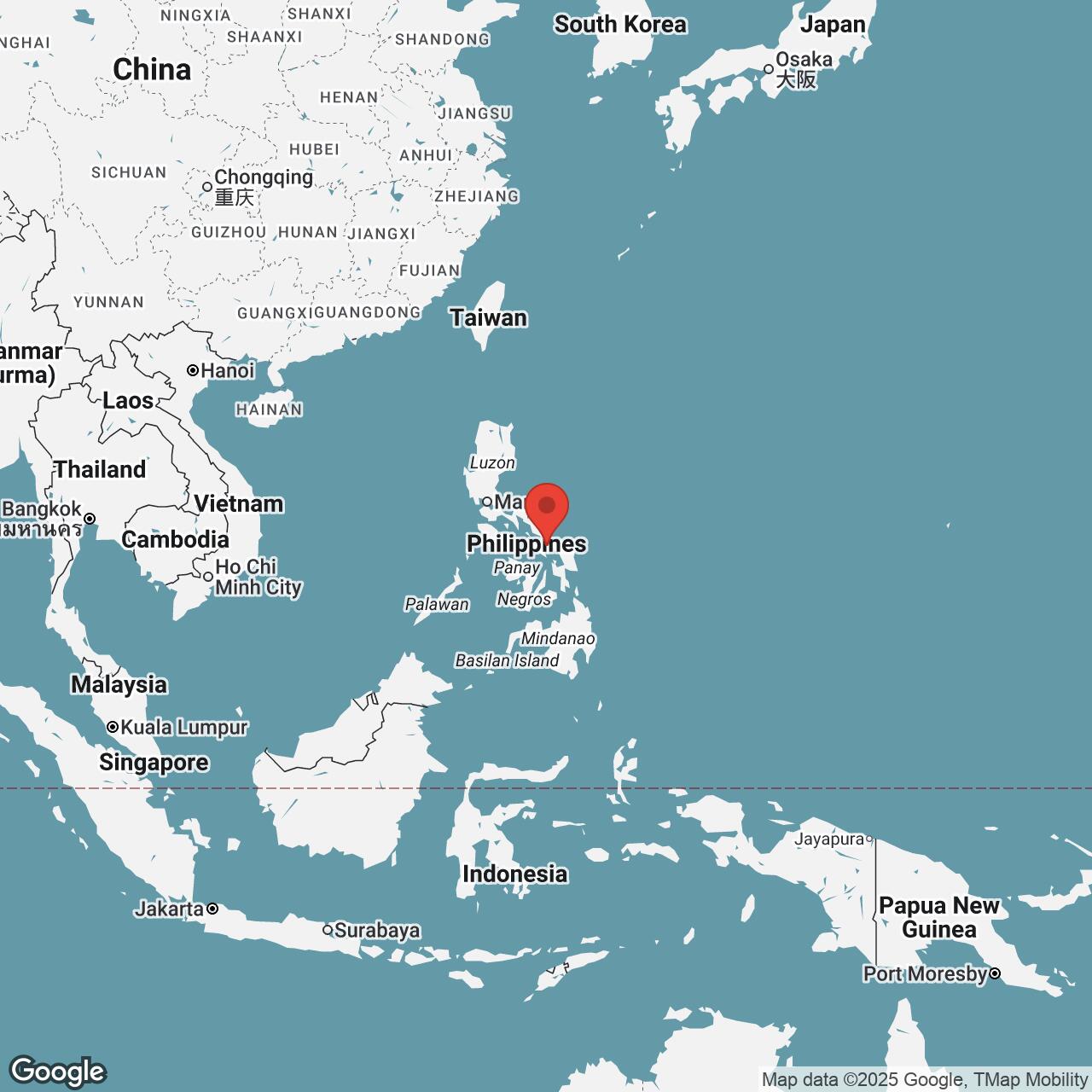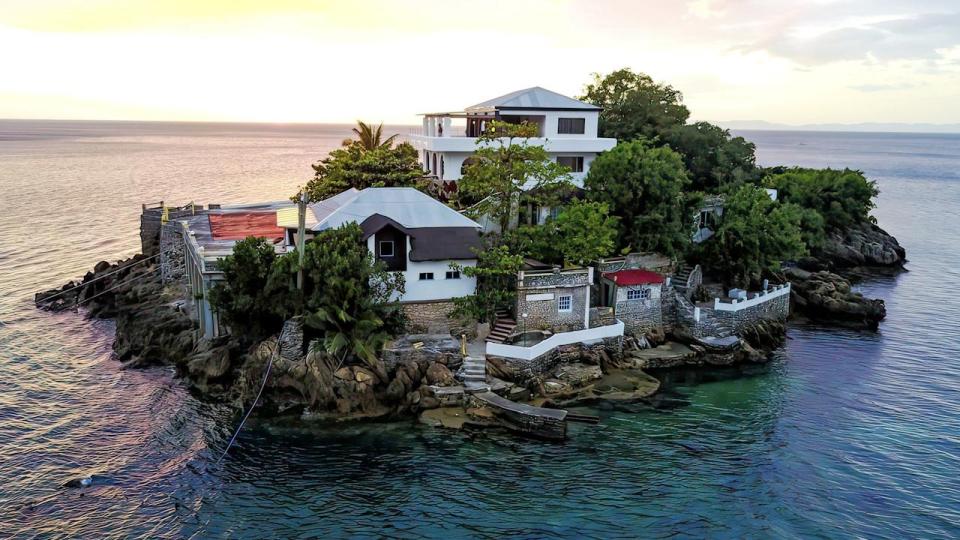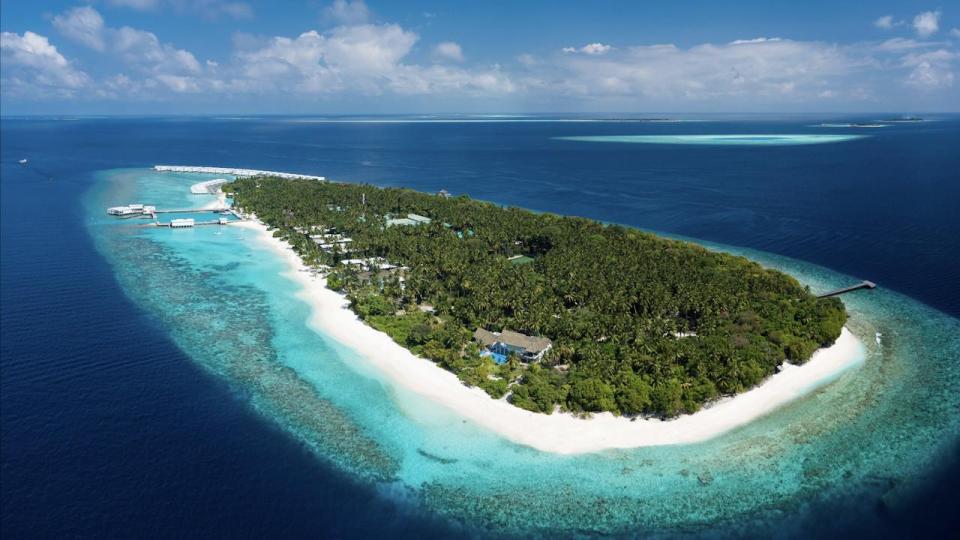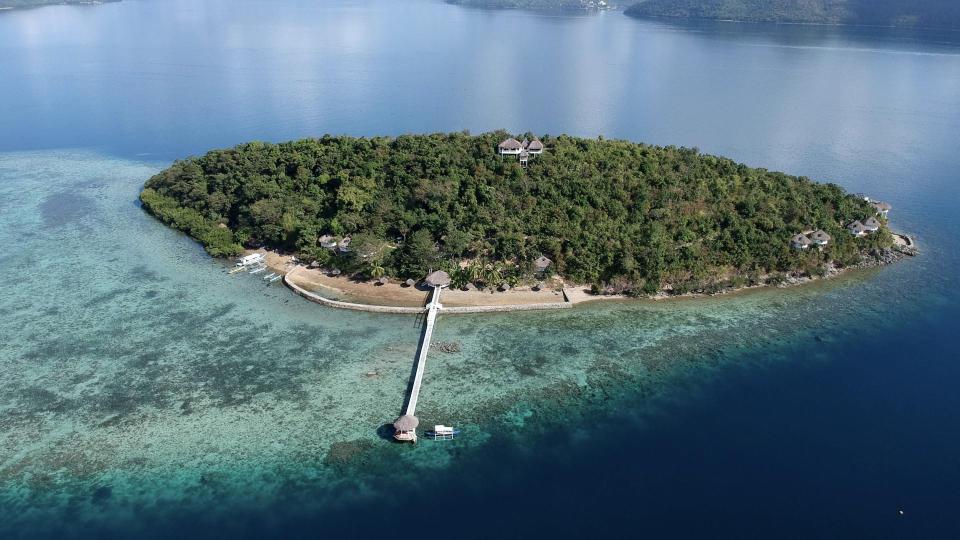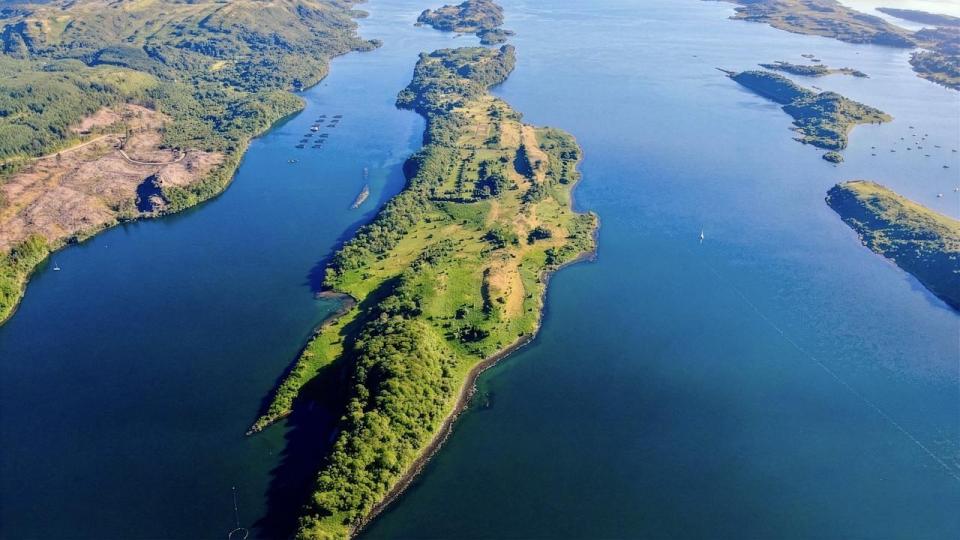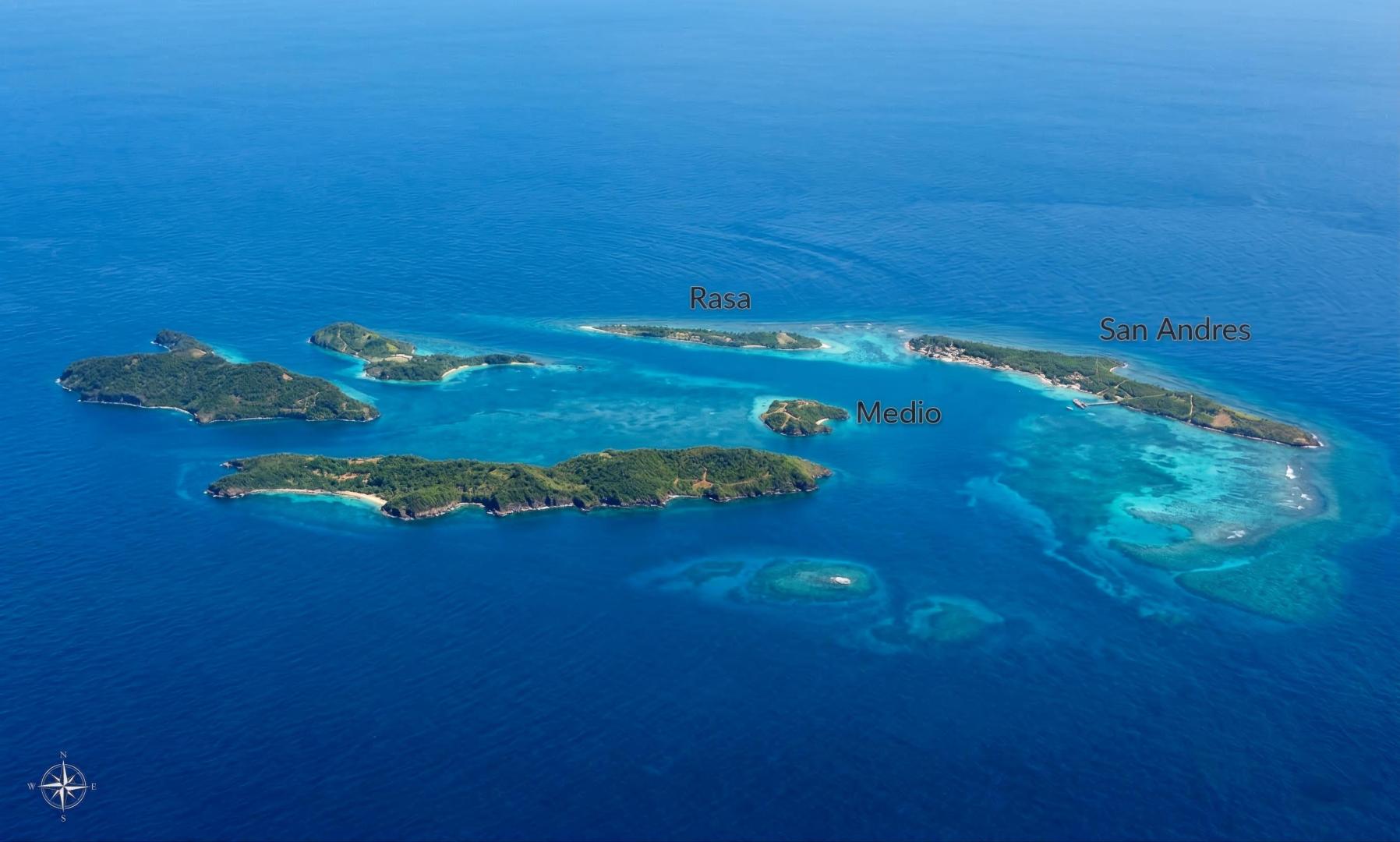
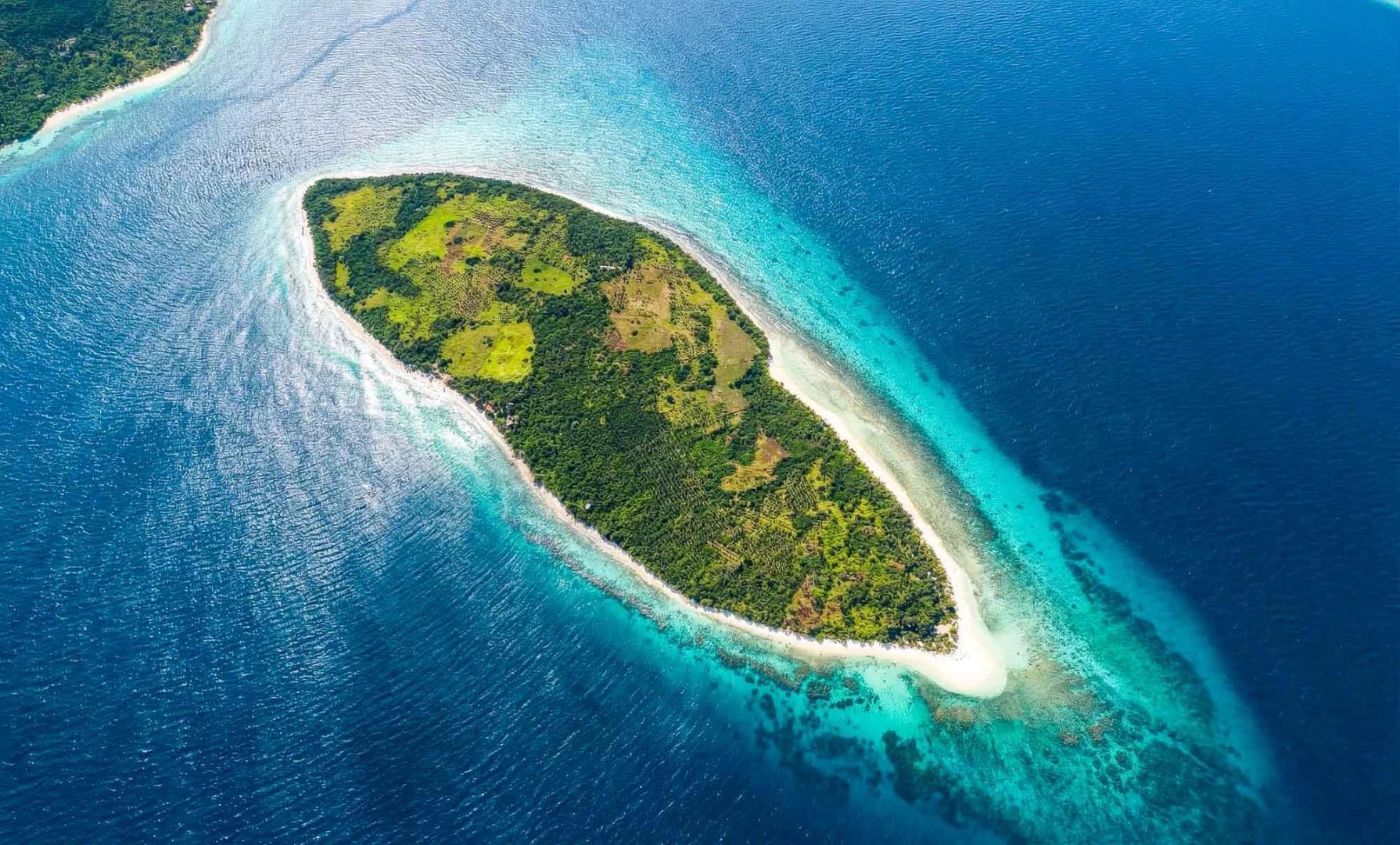
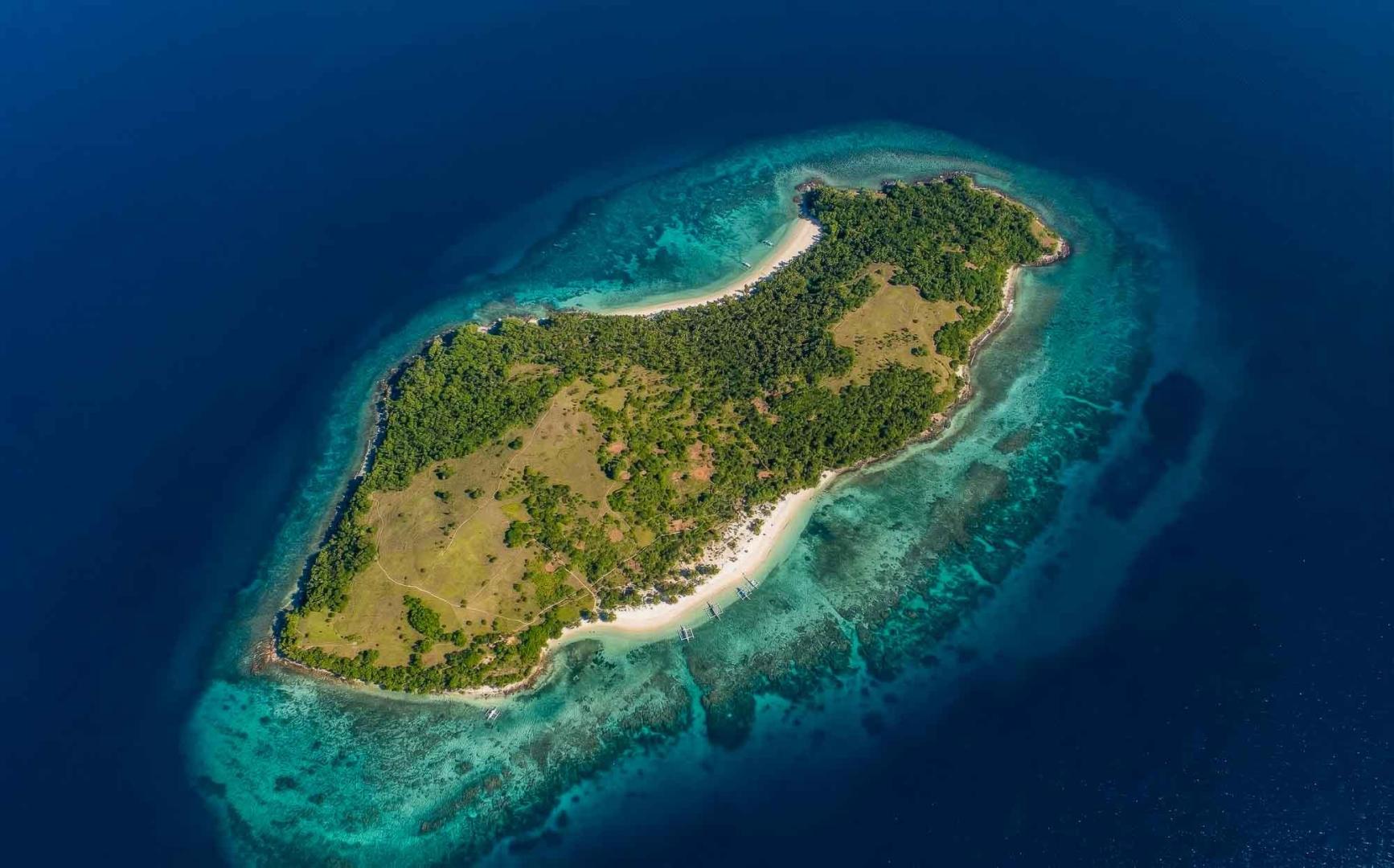
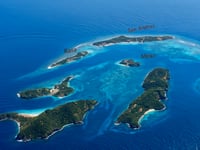
This rare offering includes three private islands—Medio Island, Rasa Island, and San Andres Island—located within the historic Naranjo Islands (Islas Naranjos) of the Philippines. Together, they total 447 hectares (1,104.57 acres) of land in a region known for its volcanic origins, rich maritime history, and natural beauty. Once a provisioning stop for Spanish galleons en route to Acapulco, these islands now present exceptional potential for eco‑tourism, agriculture, energy production, and large‑scale development.
The Property
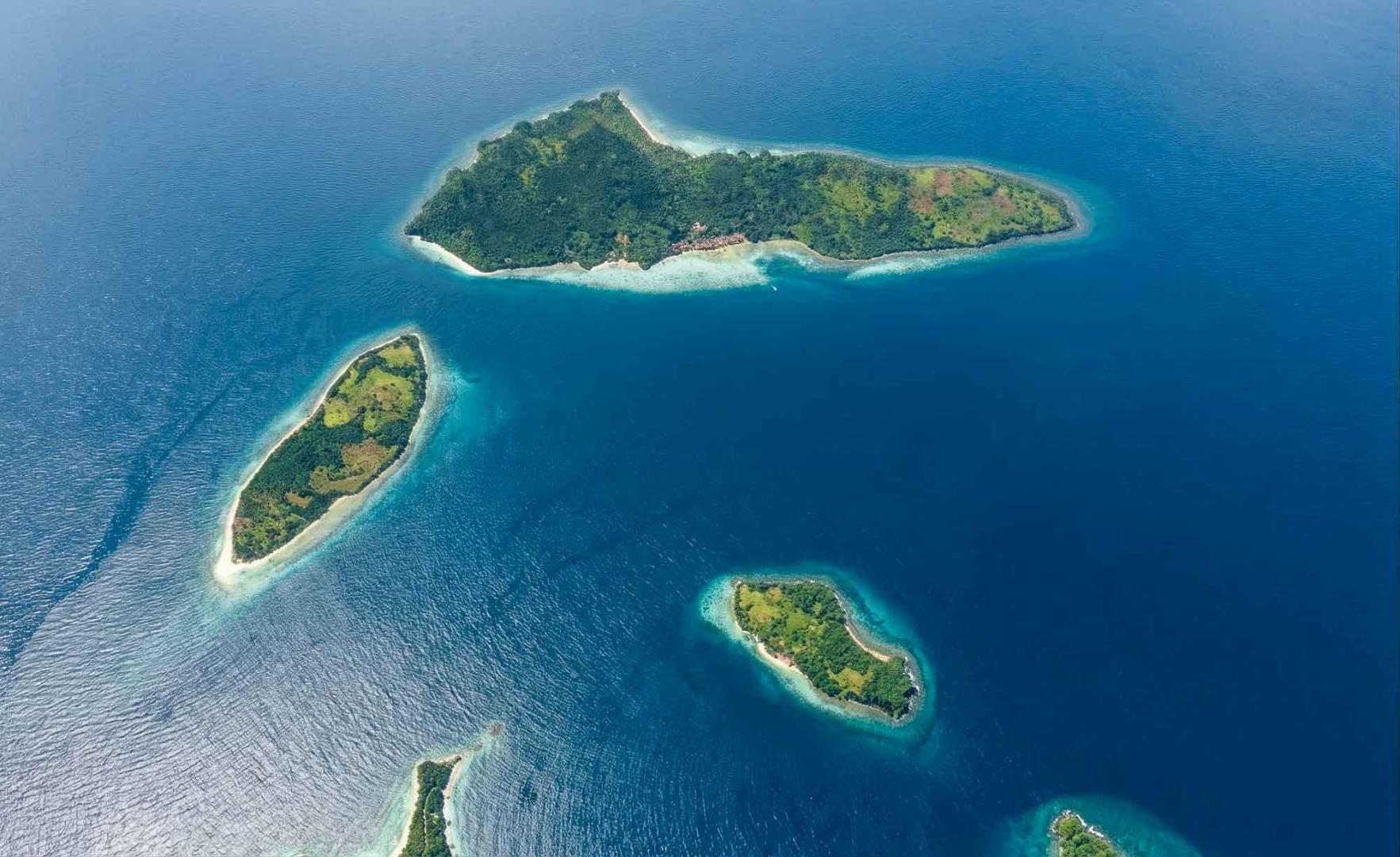
The three islands form part of a circular six‑island cluster believed to be the remnants of a submerged volcanic cone. Medio Island sits at the center, surrounded by San Andres, Rasa, Darsena, Aguada, and Escarpada.
Medio Island: 40.11 hectares (99.12 acres)
Rasa Island: 82.43 hectares (203.69 acres)
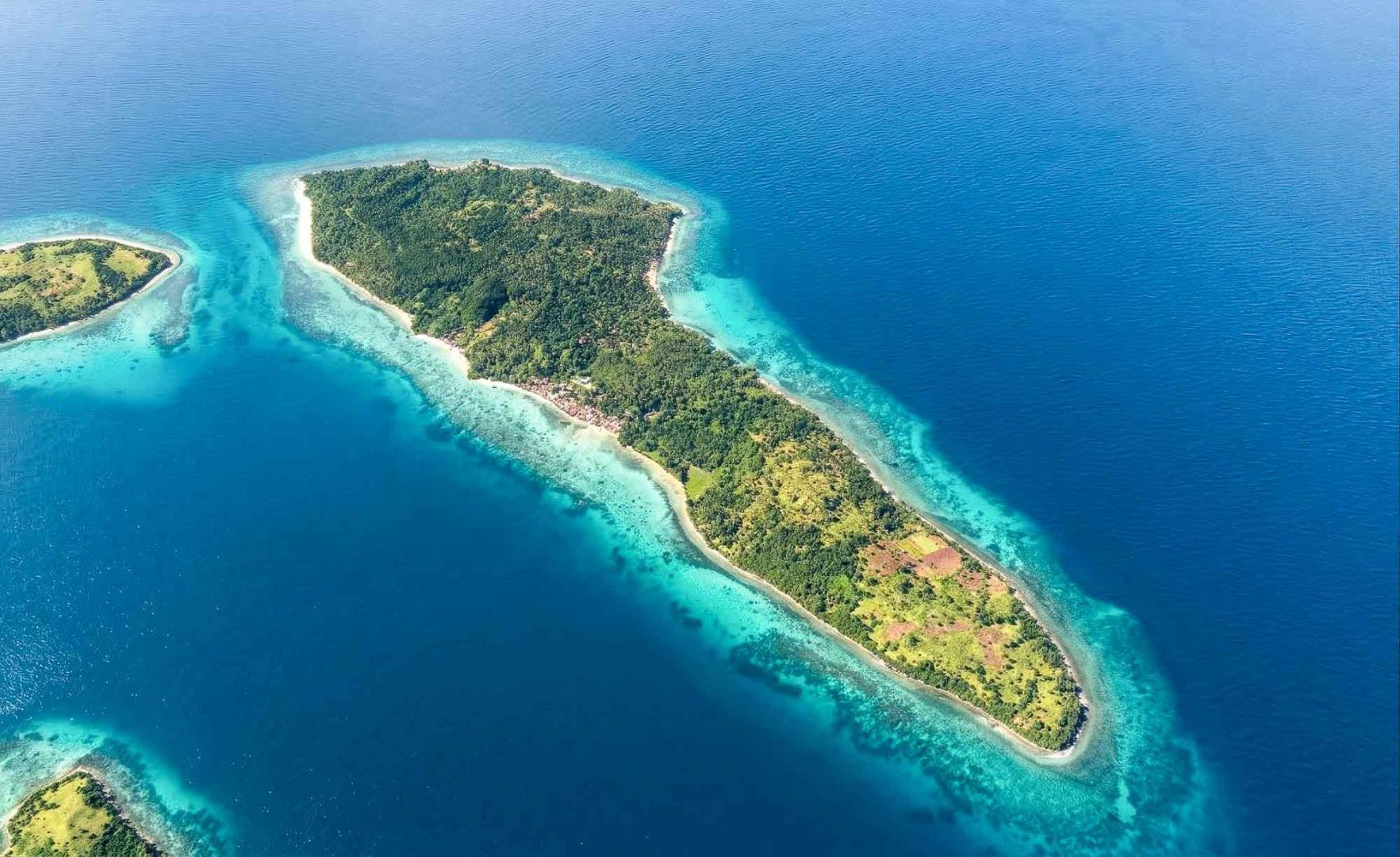
San Andres Island: 324.46 hectares (801.76 acres) Currently used as coconut plantations, the islands offer expansive terrain suitable for agriculture, tourism, renewable energy, and master‑planned development. Their volcanic composition, natural elevation, and coastal access create a versatile foundation for a wide range of projects.
The Land and Water
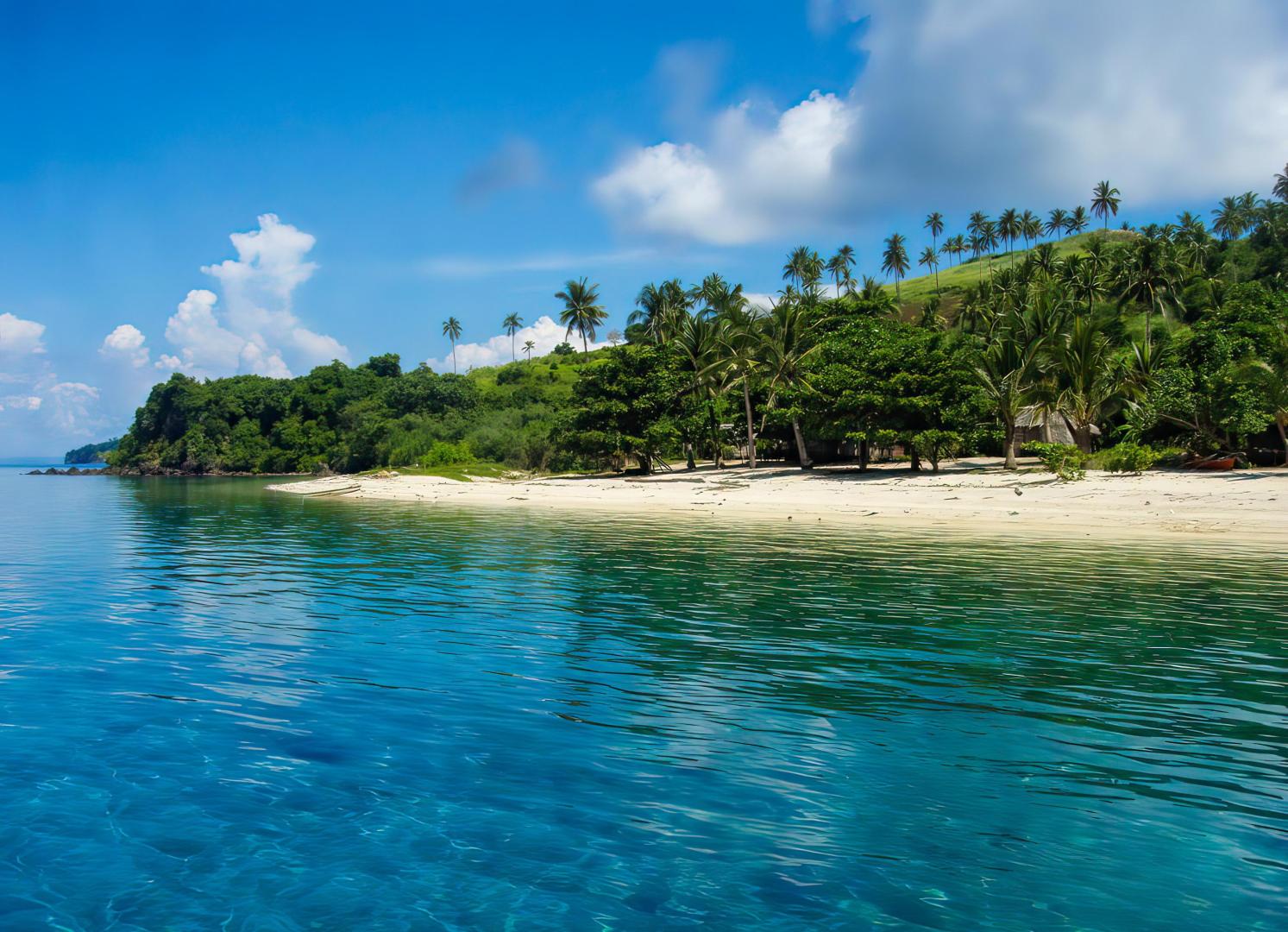
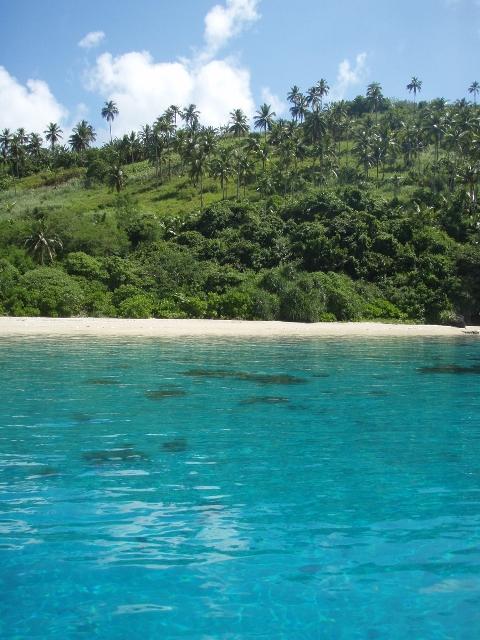
The Naranjo Islands lie near the entrance to the San Bernardino Strait, approximately 10 nautical miles from the Pacific Ocean. Their circular formation, volcanic geology, and fertile soils support coconut groves and other agricultural uses. The surrounding waters are rich in marine life, while the islands’ coastlines offer opportunities for beaches, coves, and waterfront development. The region’s designation as an eco‑tourism zone under Republic Act No. 9458 underscores its environmental value and long‑term development potential.
Access and Utilities
Positioned between Sorsogon, Ticao Island, Masbate, and Northern Samar, the islands occupy a strategic location in the east‑central Philippines. Their proximity to major sea routes and the San Bernardino Strait provides access for boats, supply vessels, and potential aviation infrastructure. The islands’ size and topography allow for the development of private airports, helipads, renewable energy systems (solar, wind, blue energy), and agricultural water sources.
The Lifestyle
These islands offer a unique blend of history, natural beauty, and development flexibility. With zoning that supports eco‑tourism and sustainable growth, they are well suited for beach resorts, golf courses, yacht clubs, retirement communities, and agricultural ventures. Their volcanic landscapes, coconut plantations, and surrounding seascapes create an inspiring environment for both private retreats and large‑scale commercial projects.