


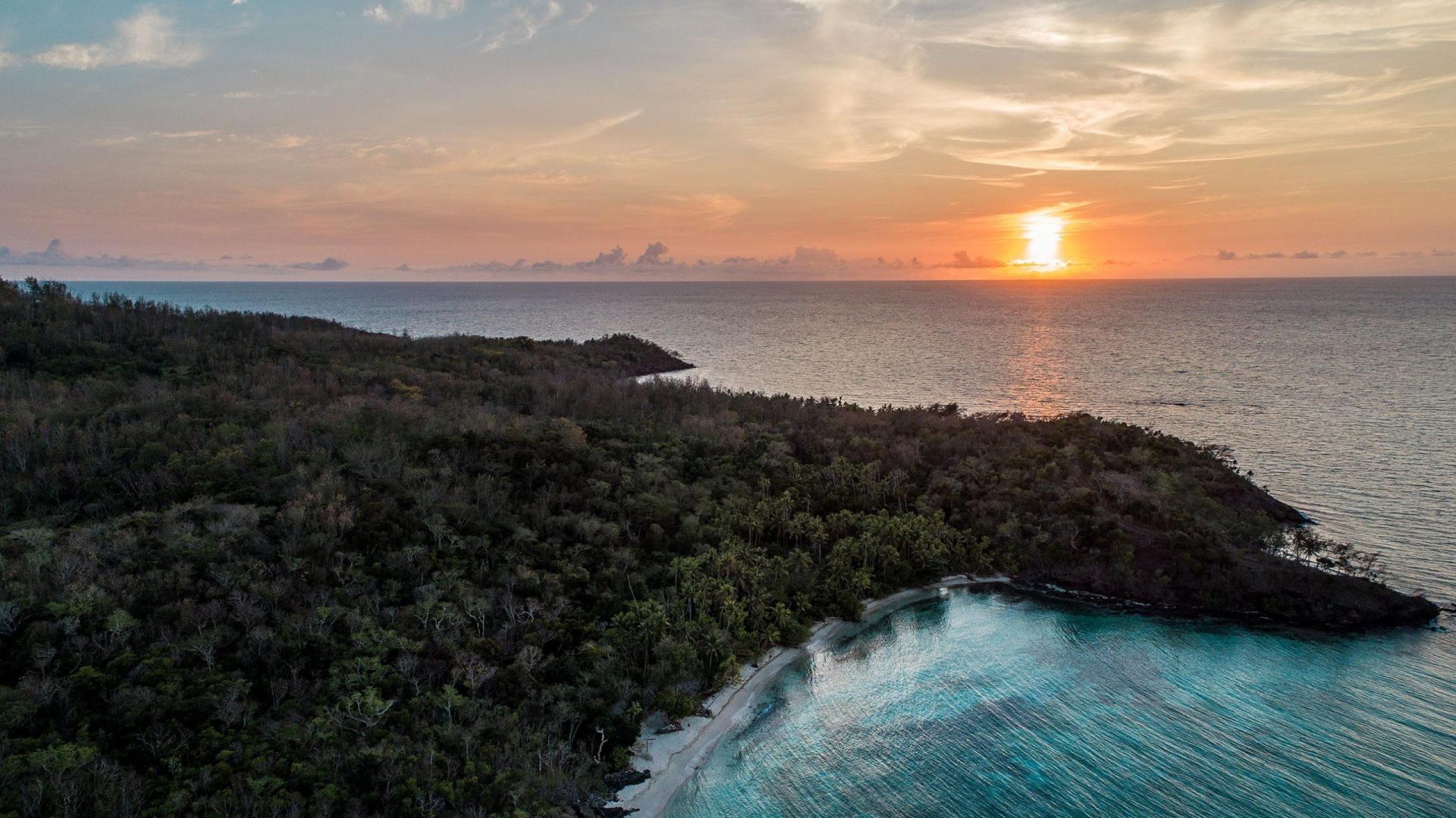
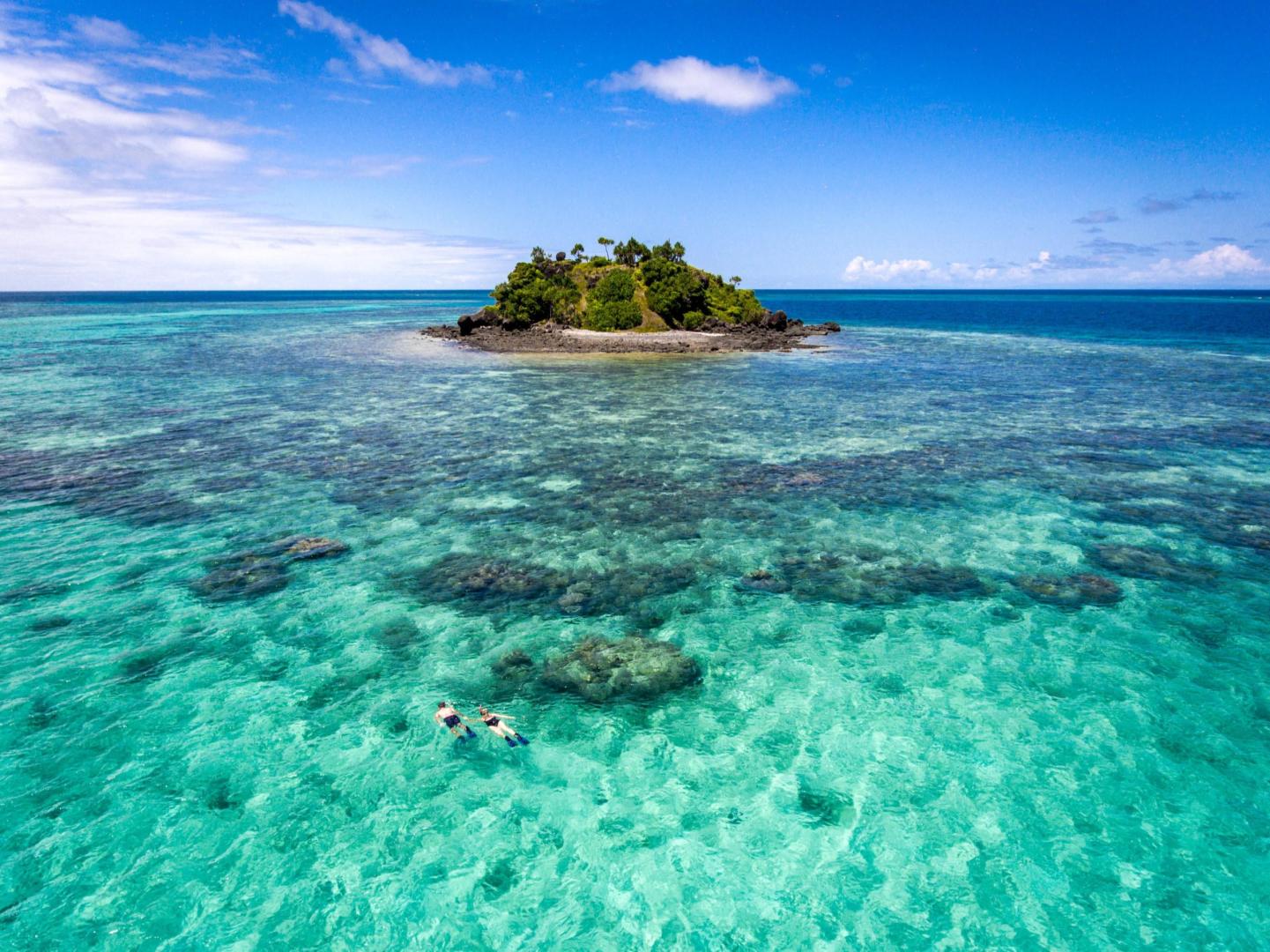
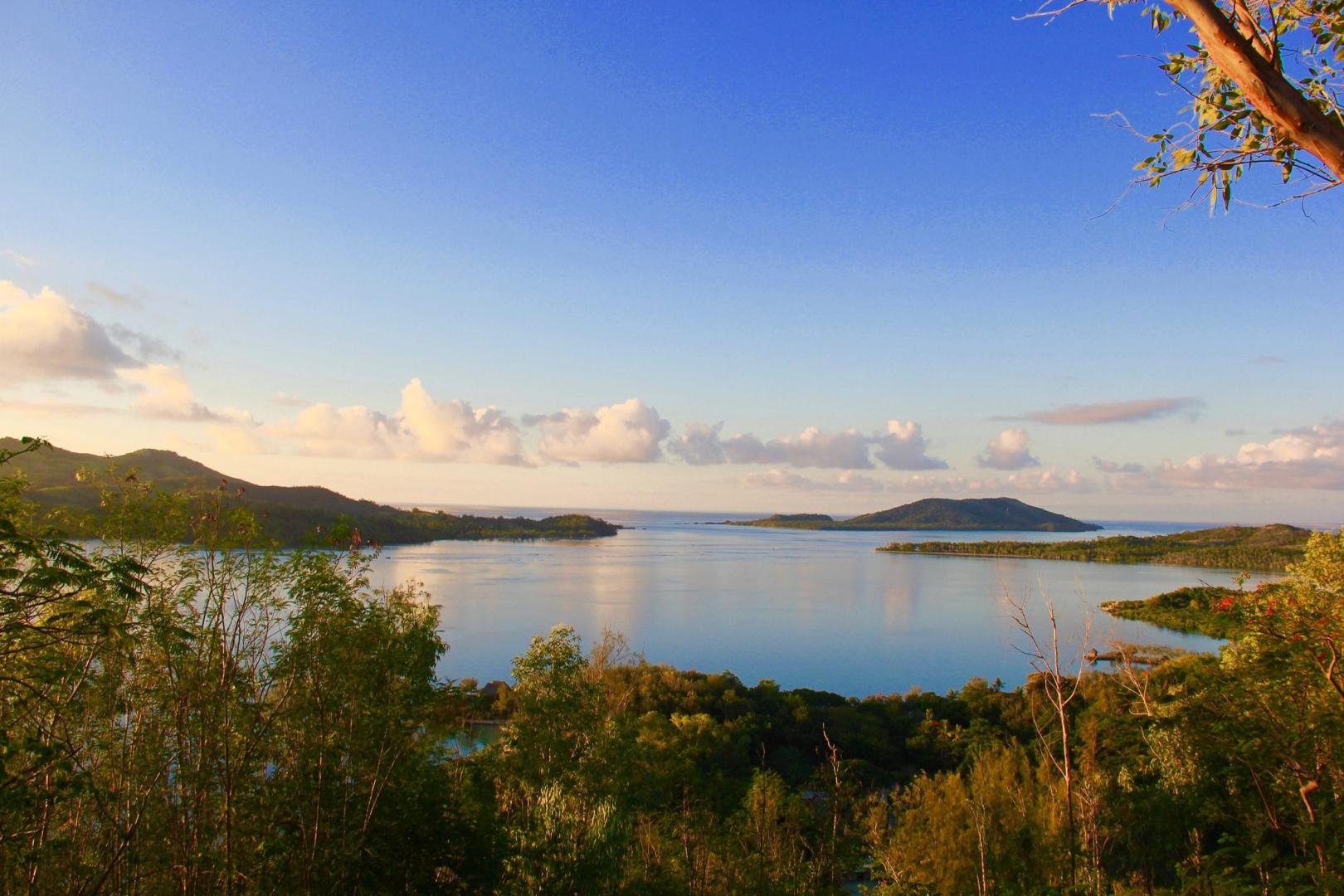


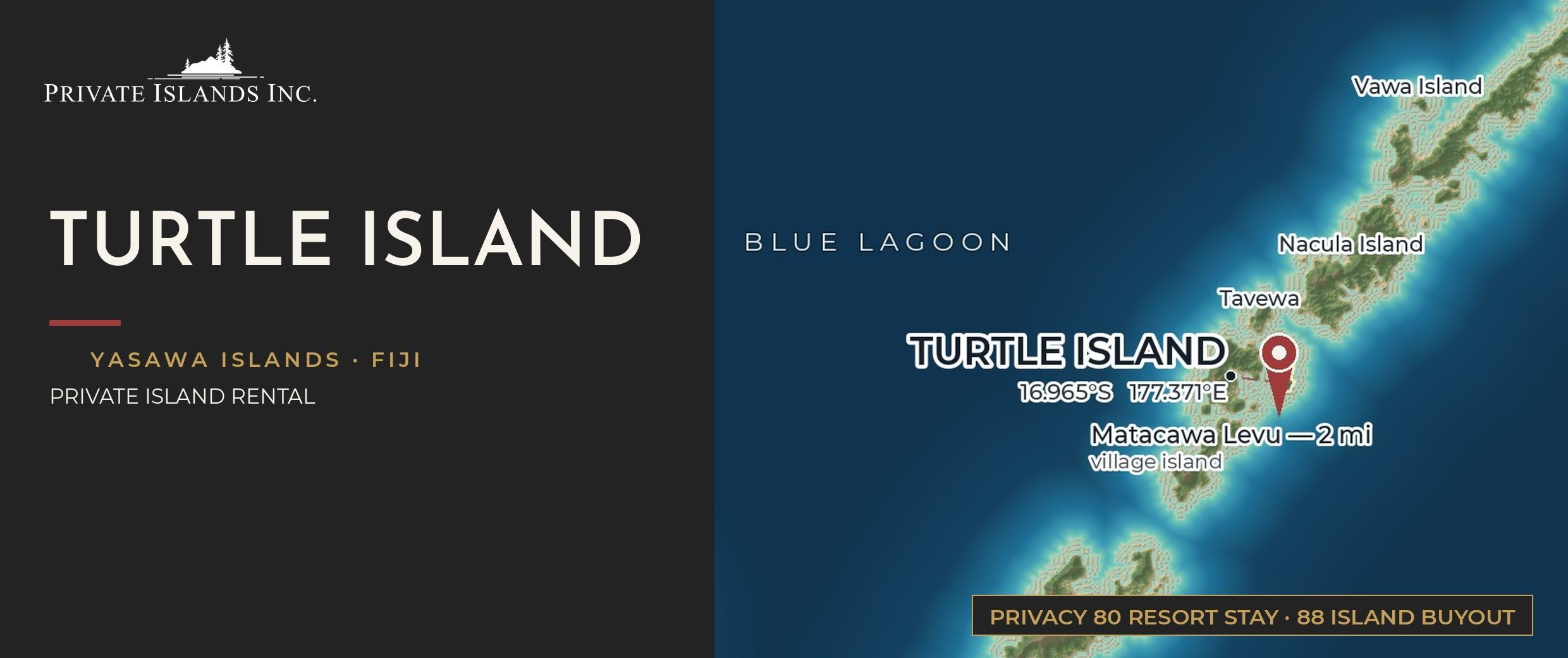
Turtle Island is a 500-acre private island in Fiji's Yasawa Islands — the whole of Nanuya Levu, held by a single resort that hosts no more than fourteen couples at a time. It fronts the Blue Lagoon, the sheltered cruising ground where both film versions of The Blue Lagoon were shot, and its twelve private beaches ring an island that was barren scrub when Richard Evanson bought it in 1972 and is now covered in forest he planted by hand. There is no village, no second property and no day trade on the island — only the resort, its Fijian staff, and whichever fourteen couples happen to be in residence.
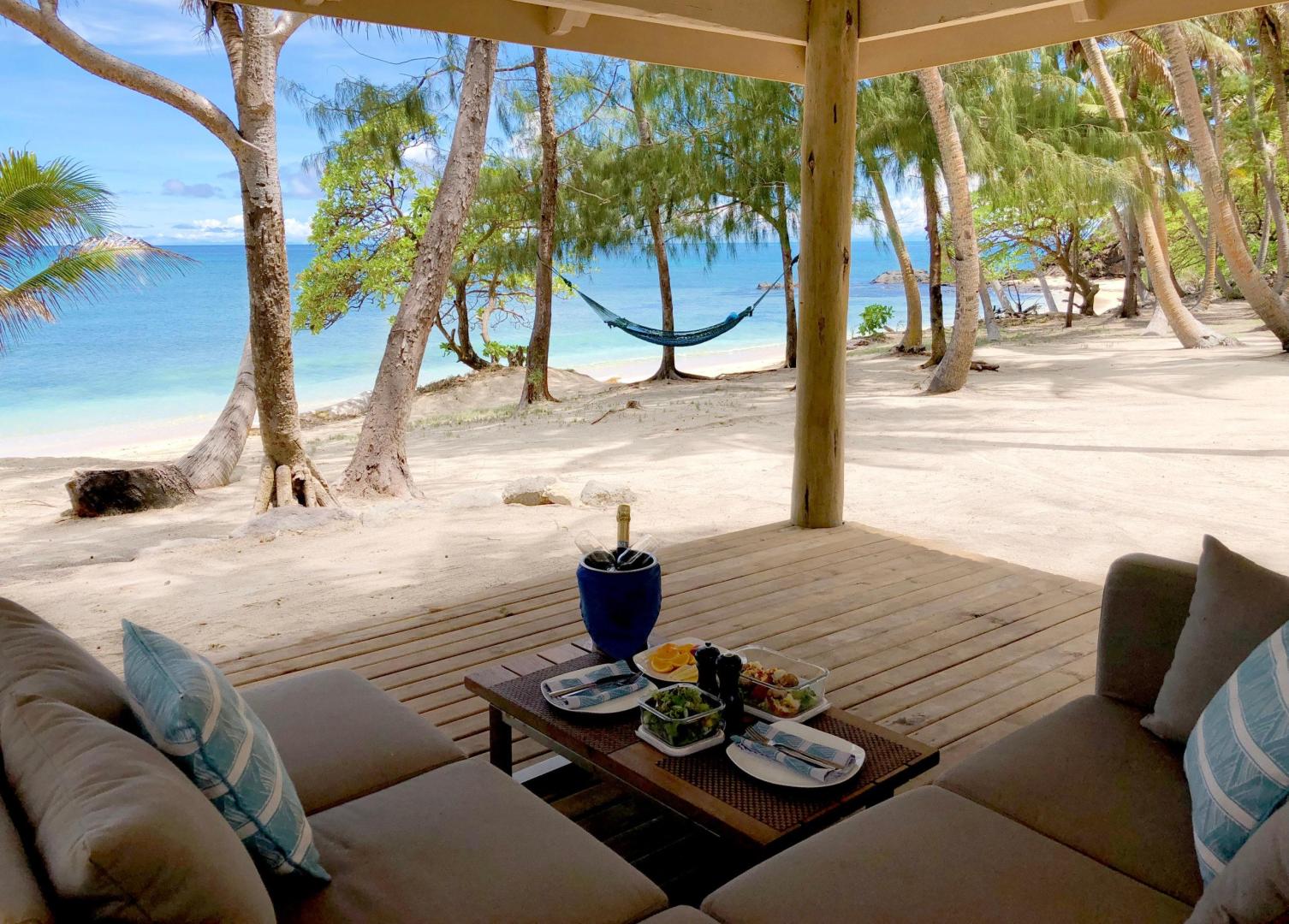
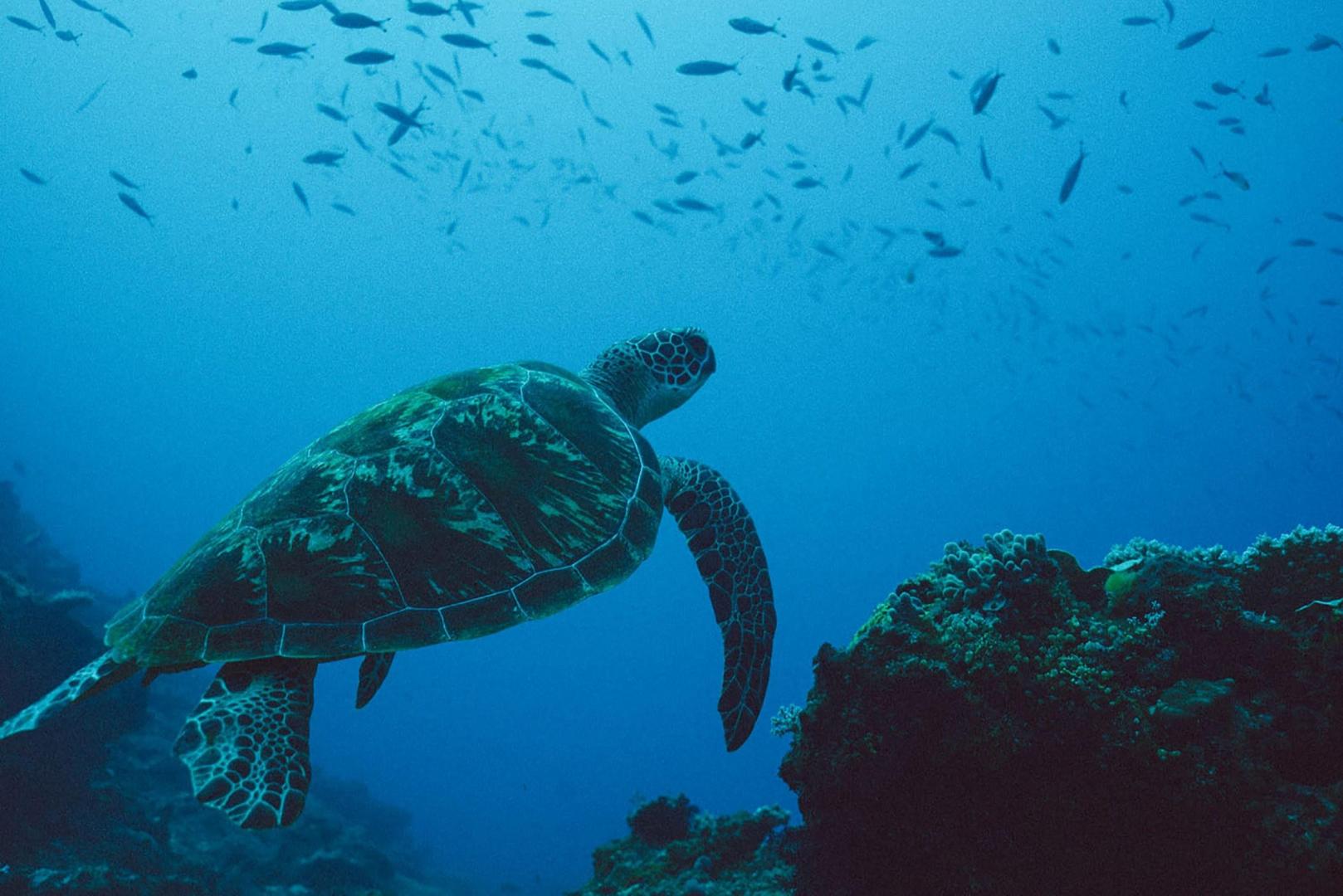
Days here arrange themselves around the water and the table. A private beach is reserved for each couple every other day, with a picnic delivered and nobody else on the sand; snorkelling boats leave daily for the lagoon's reefs; and every bure has its own Bure Mama, a dedicated host who looks after everything from the laundry to the day's plans. Almost everything is included in the rate — meals, drinks, dining experiences and activities alike — and the whole island can also be reserved outright for one party of up to twenty-eight guests.
THE ISLAND IN MOTION
The listing's own film — supplied with this listing · 3 min 39 sec
Accommodations & Design
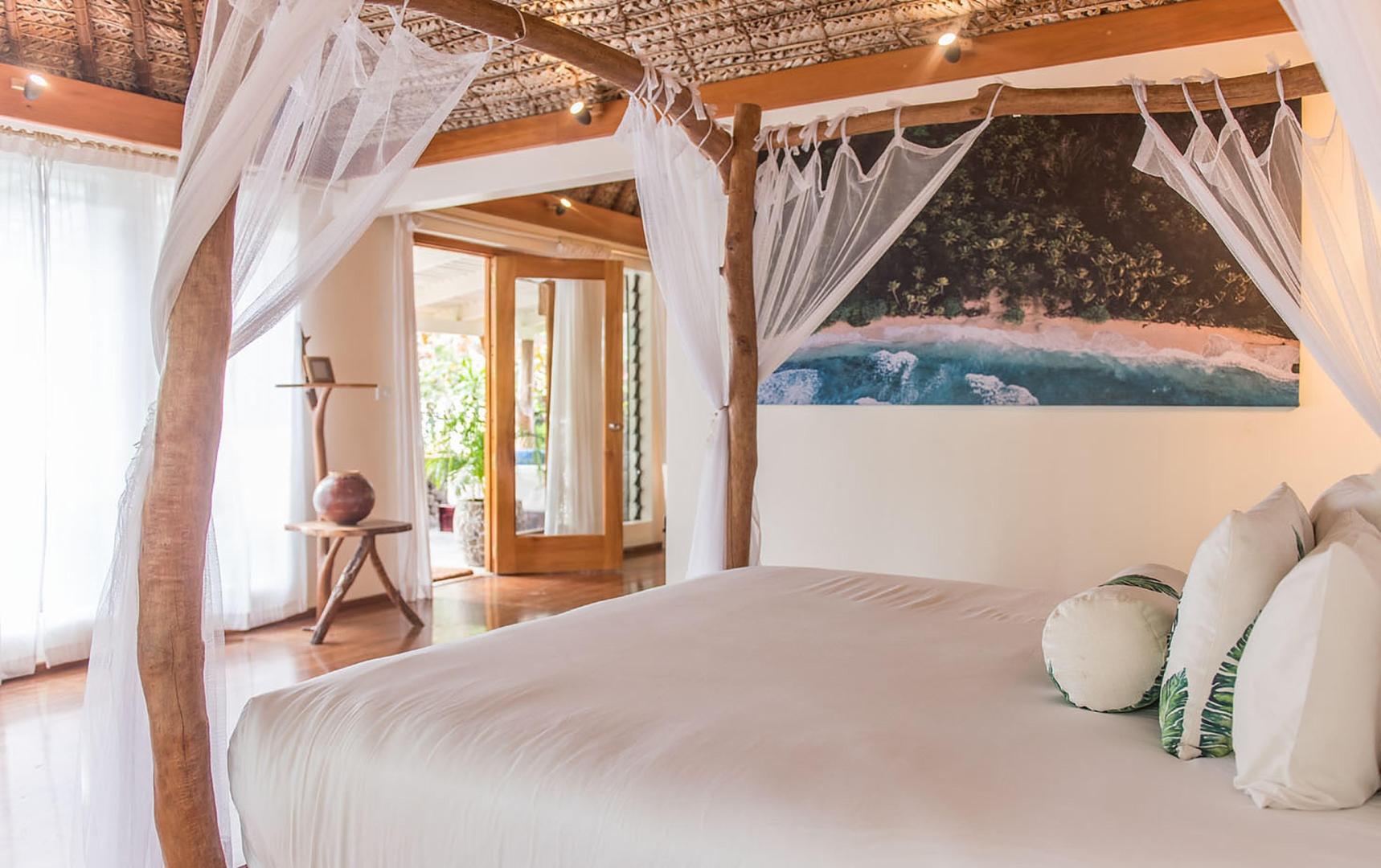
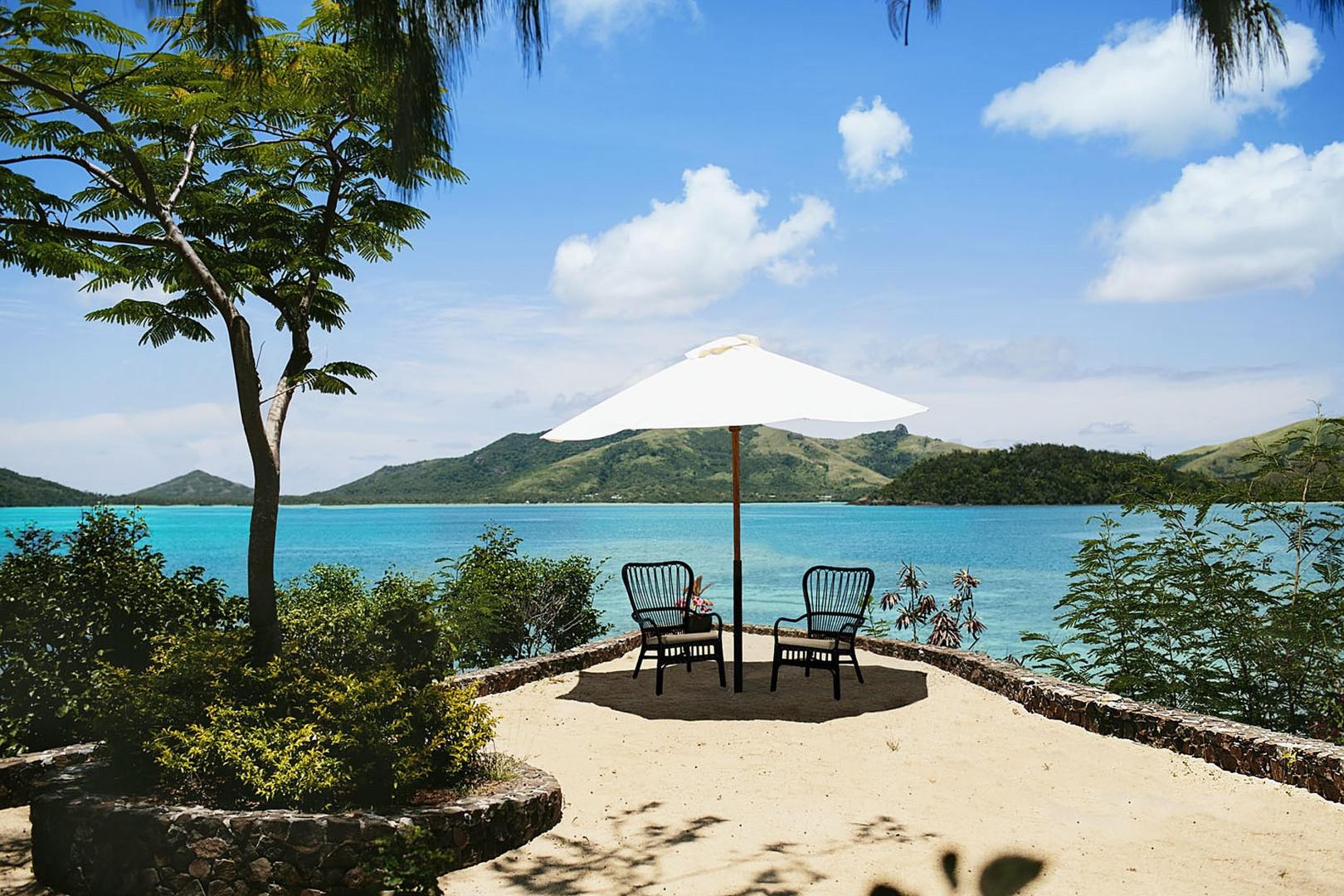
Fourteen villas — bures, in Fijian — stand along the Blue Lagoon beachfront, separated by generous expanses of garden and landscaped so that each keeps its privacy. Twelve are Grand Beachfront Villas; the thirteenth, Vonu Point, sits elevated on its own point at the northern end of the lagoon with 300-degree views, a spa bath overlooking the archipelago and cliff-top seating above the water; the fourteenth, Water's Edge, is the closest of all to the lagoon, where at high tide the water laps at its stone walkway. Some Grand Villas have spa baths, others private outdoor showers, and most have an in-floor jacuzzi.
The bures are hand-crafted in traditional Fijian style — soaring thatched roofs, vaulted ceilings woven from palms and knotted with coconut-husk cordage, artisan furnishings made from island trees and driftwood, and textiles patterned with tribal graphics. Inside each are a king bed dressed with romantic netting, separate sleeping, dressing and bathing areas, an expansive lounge, a walk-in double shower and an outdoor rinsing shower, and a verandah with a queen-size day bed. The minibar is stocked to the guest's own choices and replenished daily; ceiling and floor fans, a tea and coffee bar, Pure Fiji bath products, daily laundry and a wake-up service come as standard, as do mask, fins and snorkel gear fitted to size.
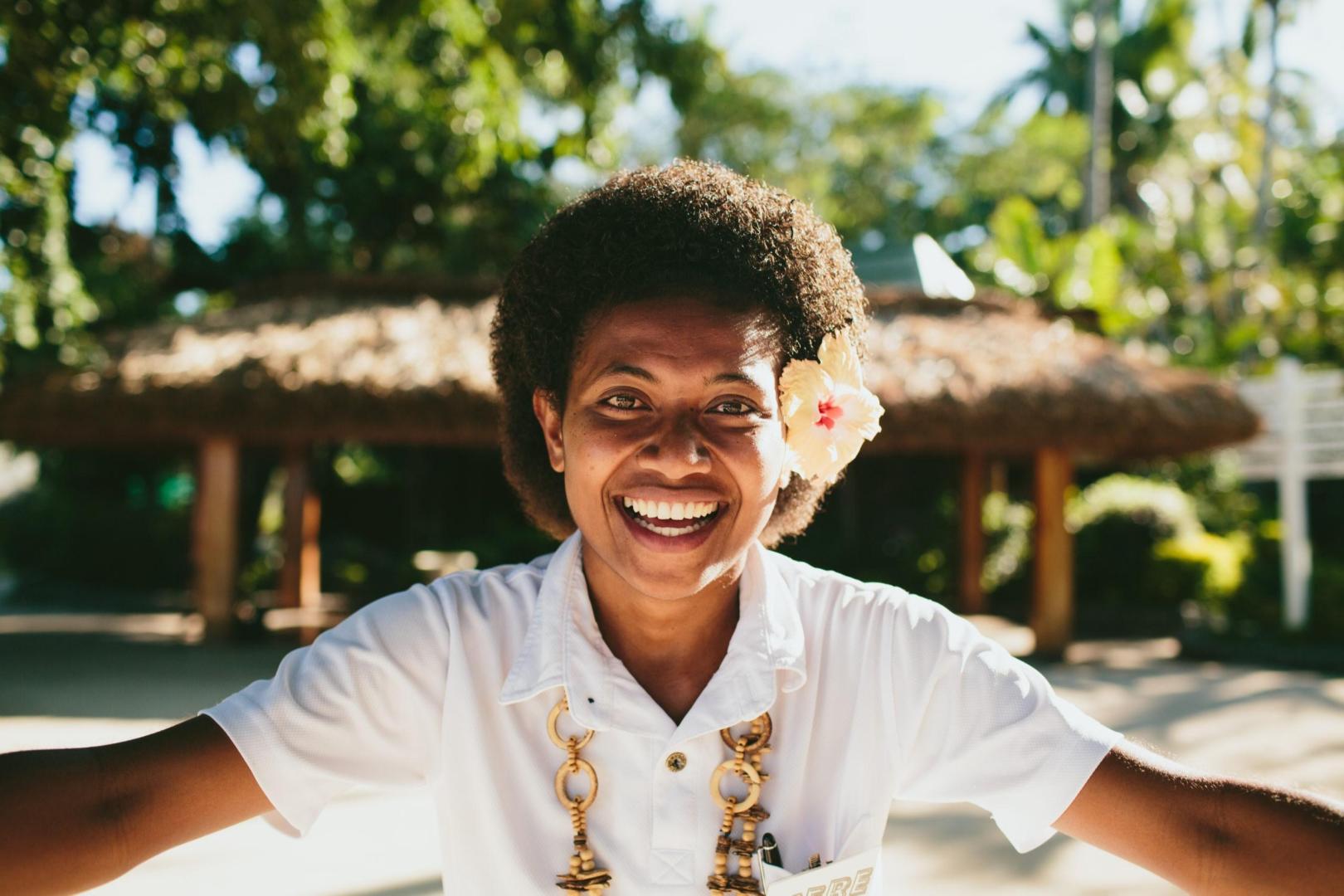
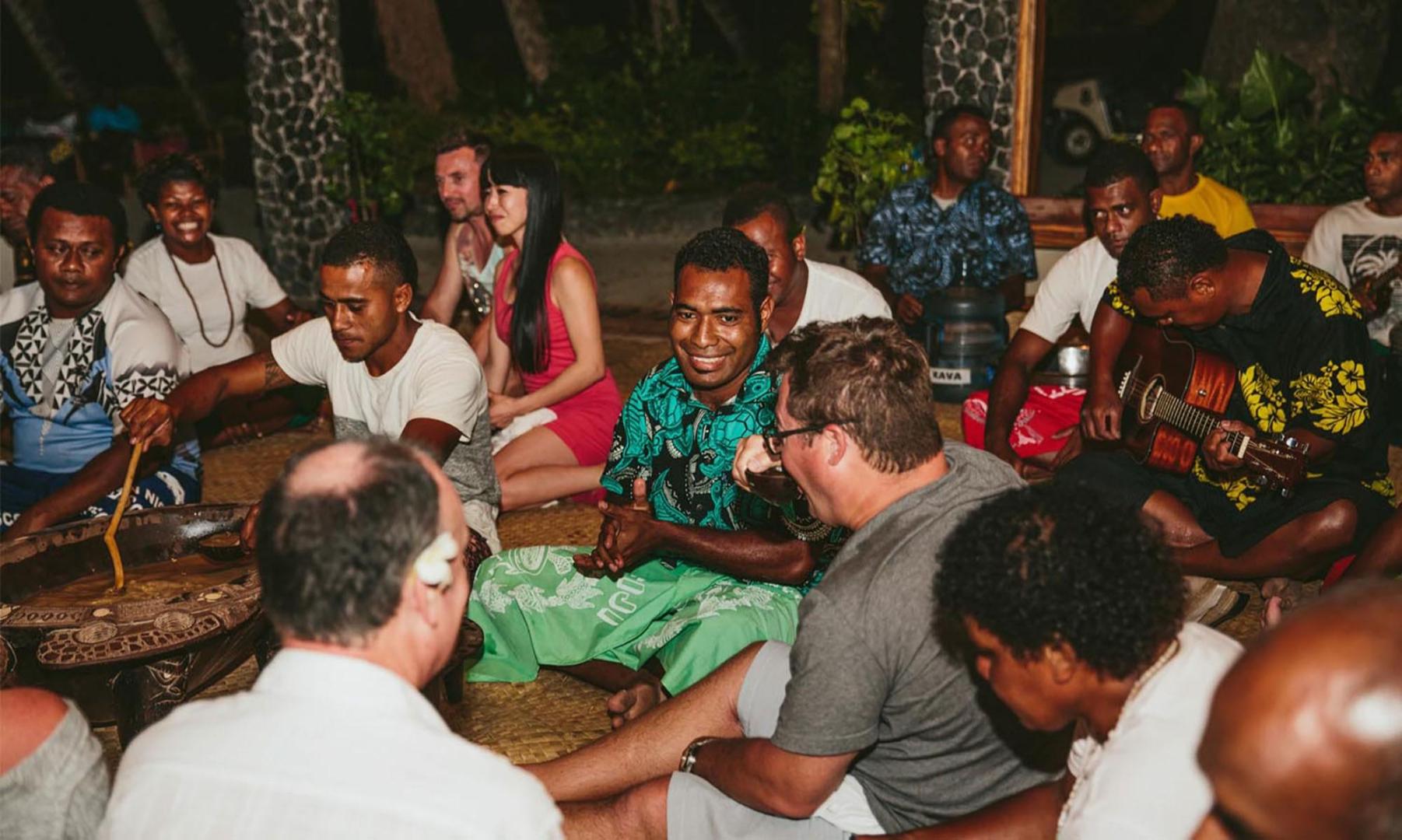
Every bure also has its Bure Mama — part concierge, part Fijian host, and the person who makes the island feel personal. She unpacks on arrival, keeps the villa tidy, handles the laundry, arranges picnics and dine-outs, guides walks around the island, accompanies snorkelling trips, and joins the kava bowl in the evening if her guests are there.
Amenities & Inclusions
A Turtle Island stay is all-inclusive in the full sense: every meal, every beverage — fine wines, spirits, champagnes and cocktails included — the minibar, all dining experiences and all activities are covered by the rate. The exceptions are airfares and the transfers between Nadi and the island, which the reservations team arranges and charges separately on villa stays; on a whole-island buyout, transfers are included in the flat fee.
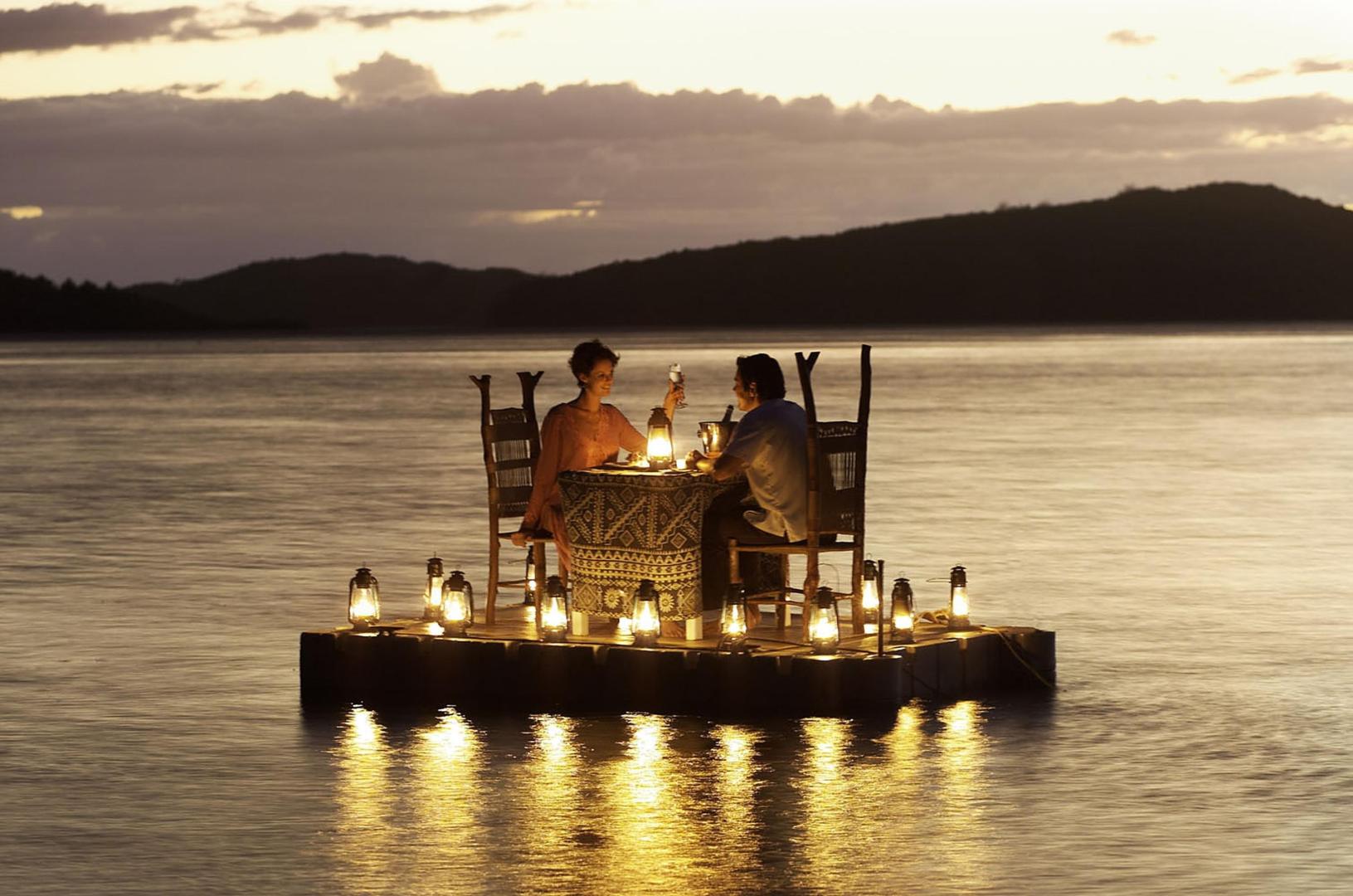
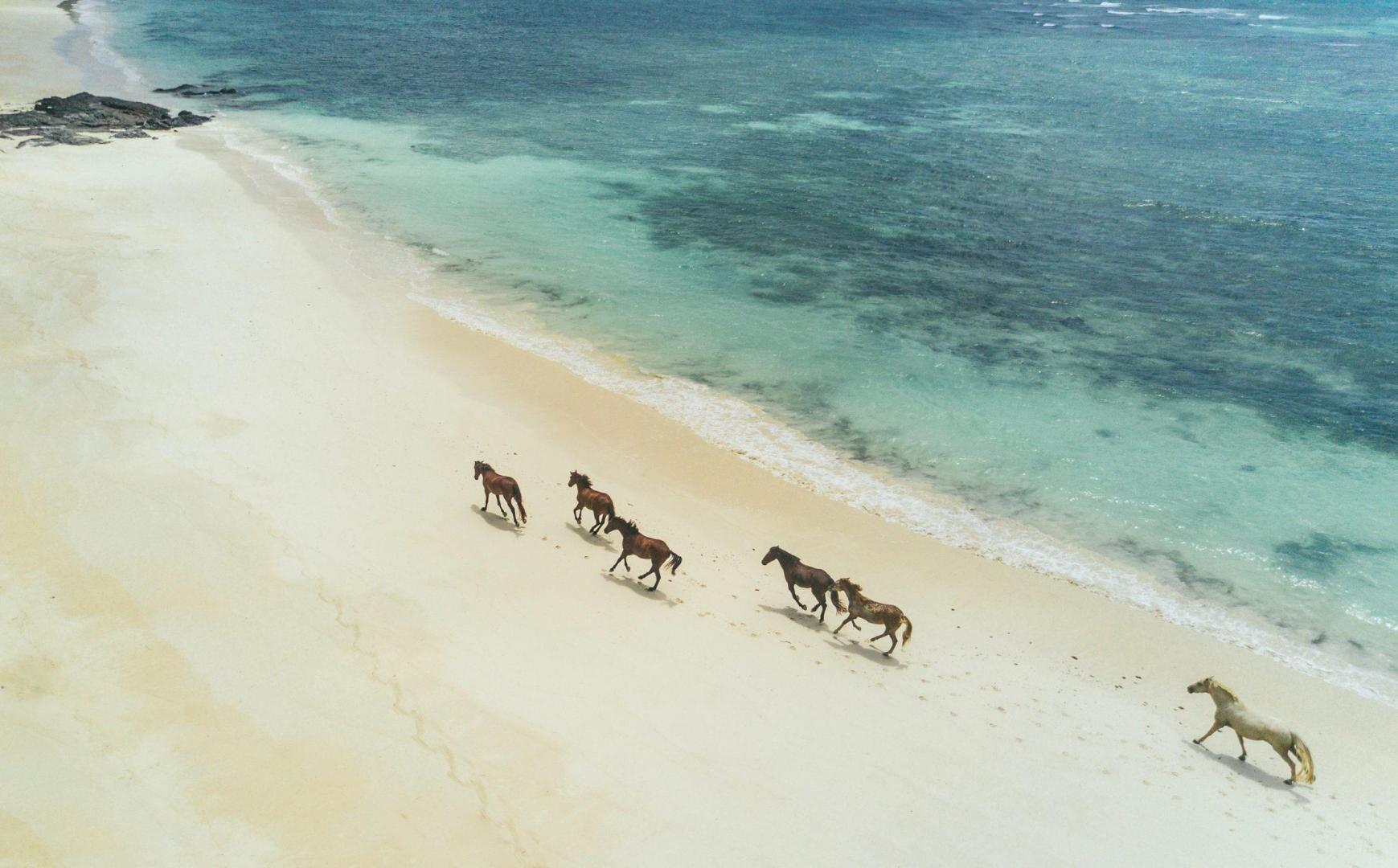
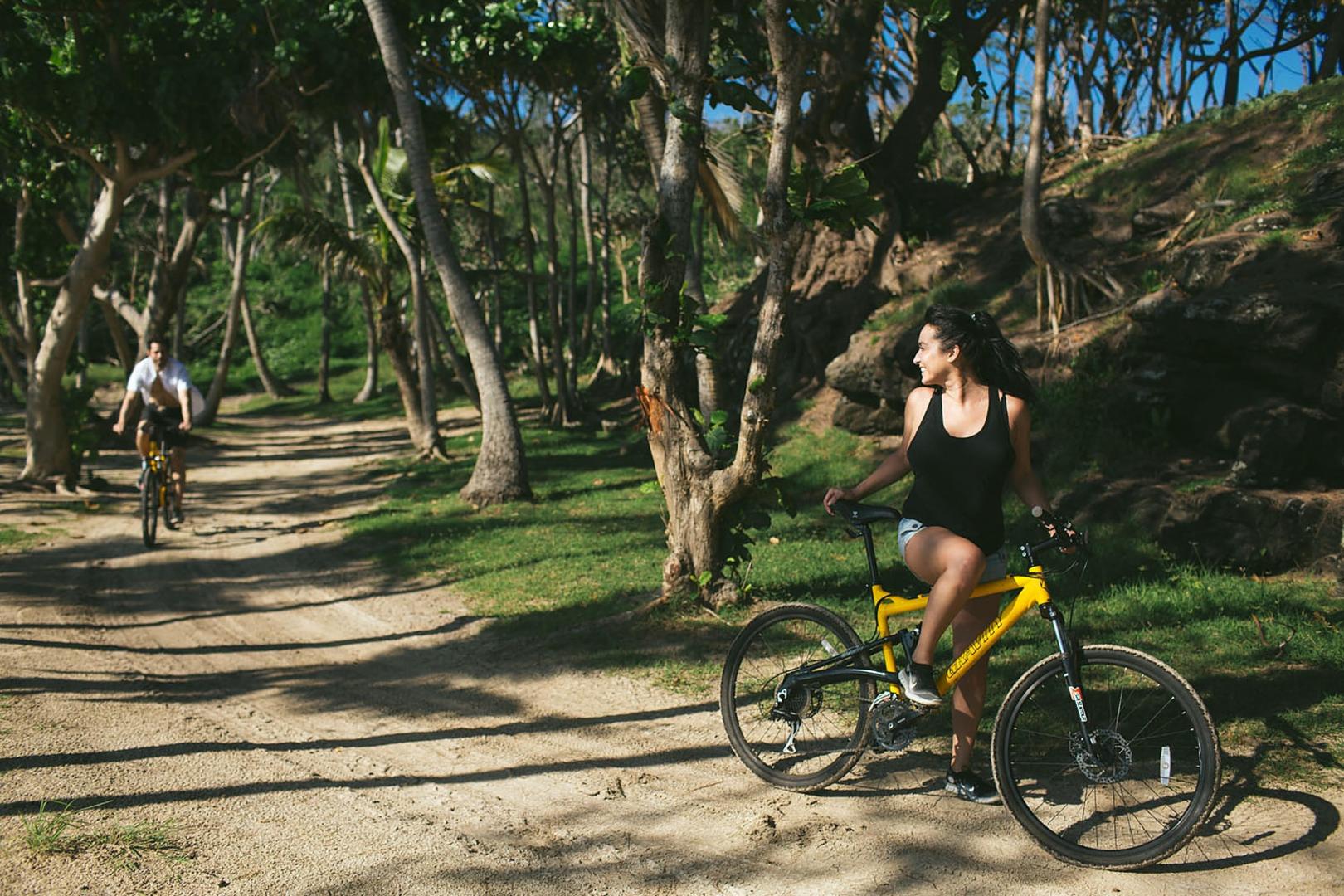
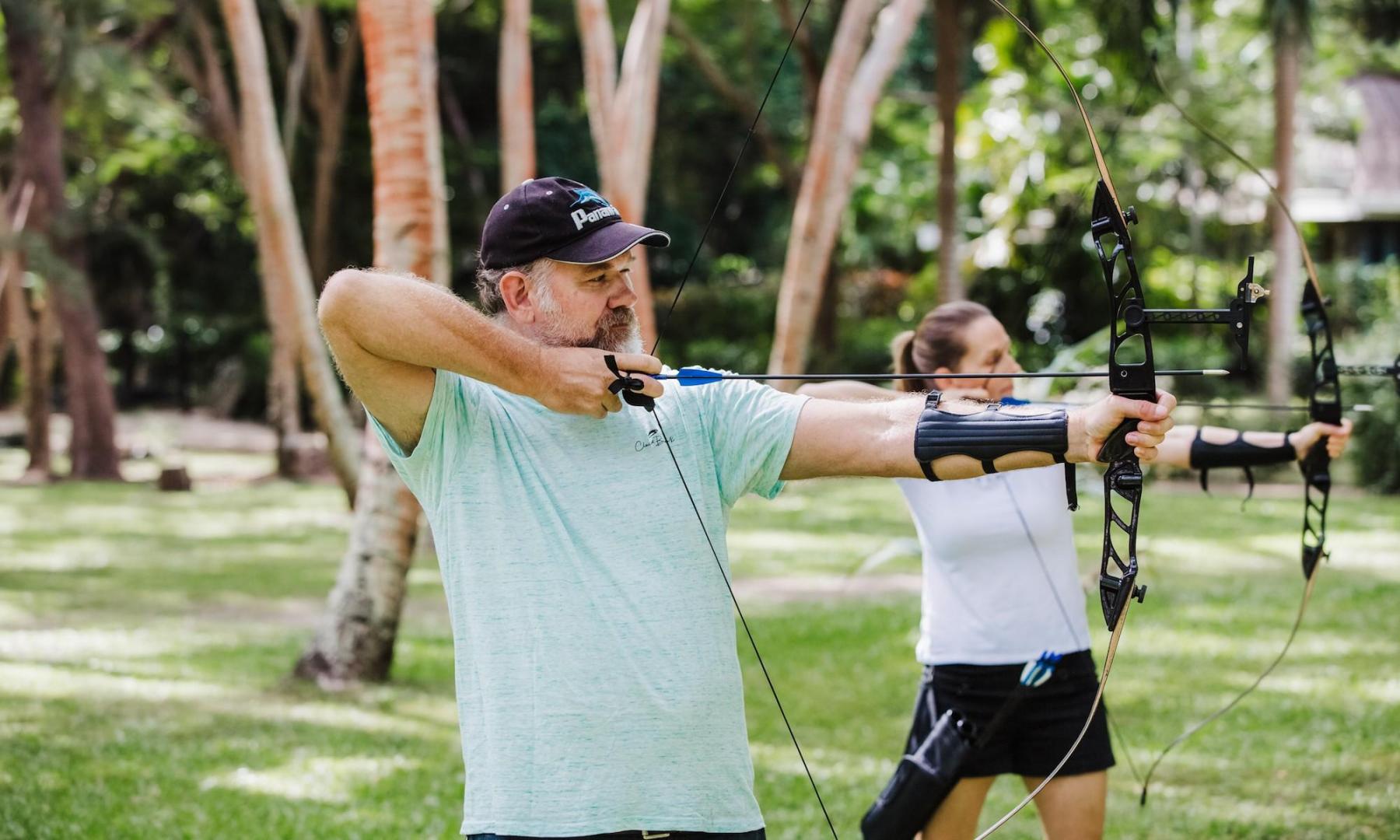
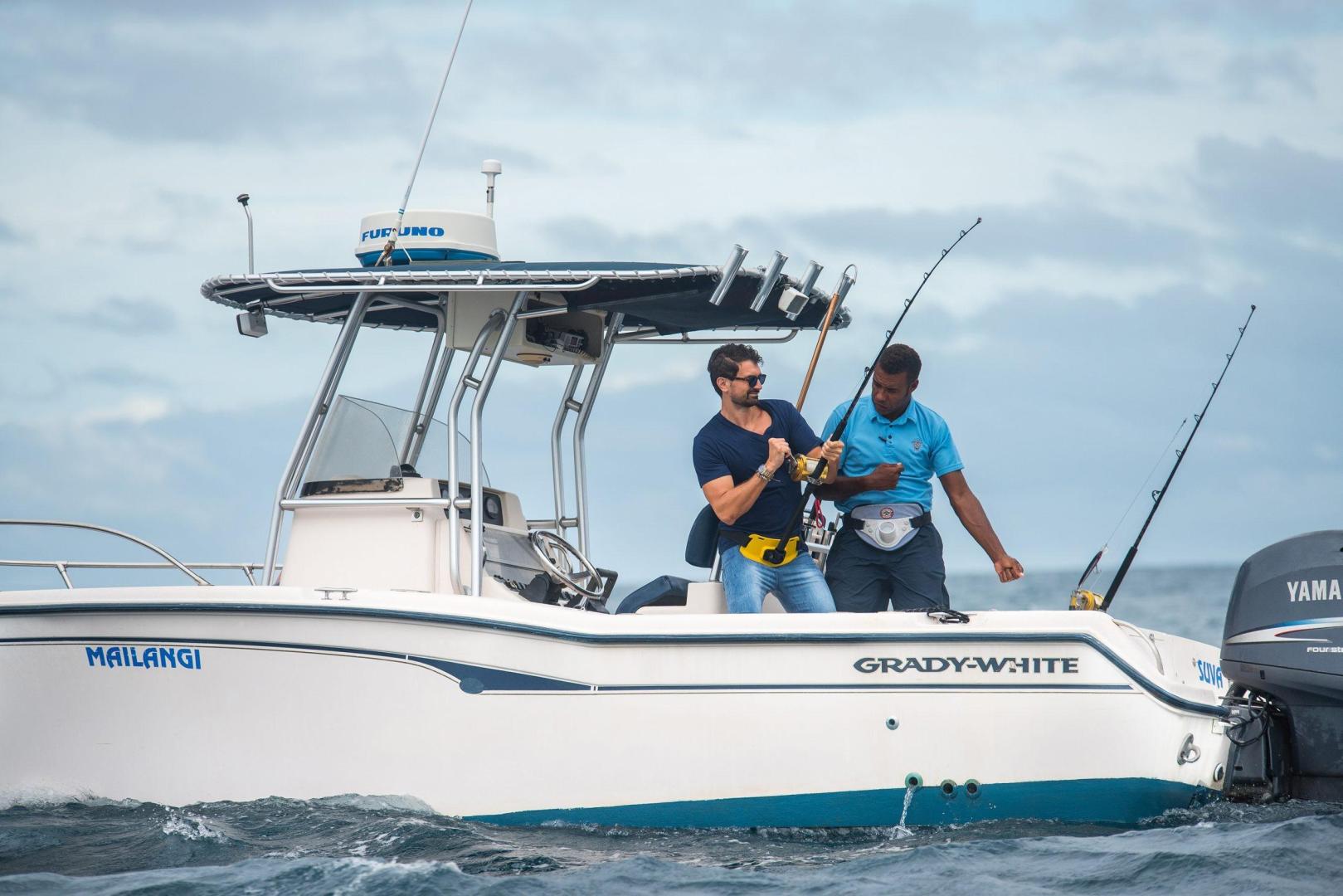
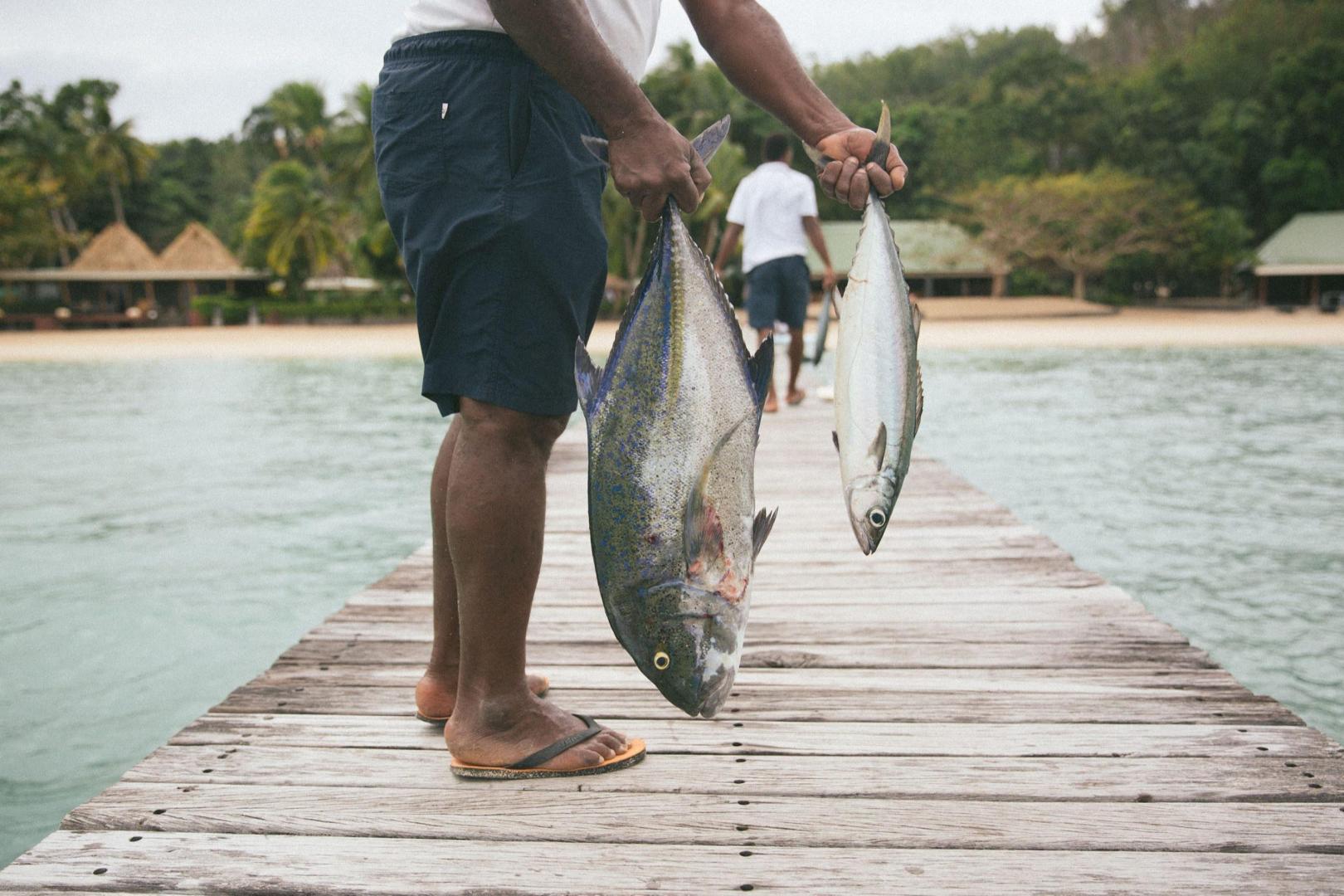
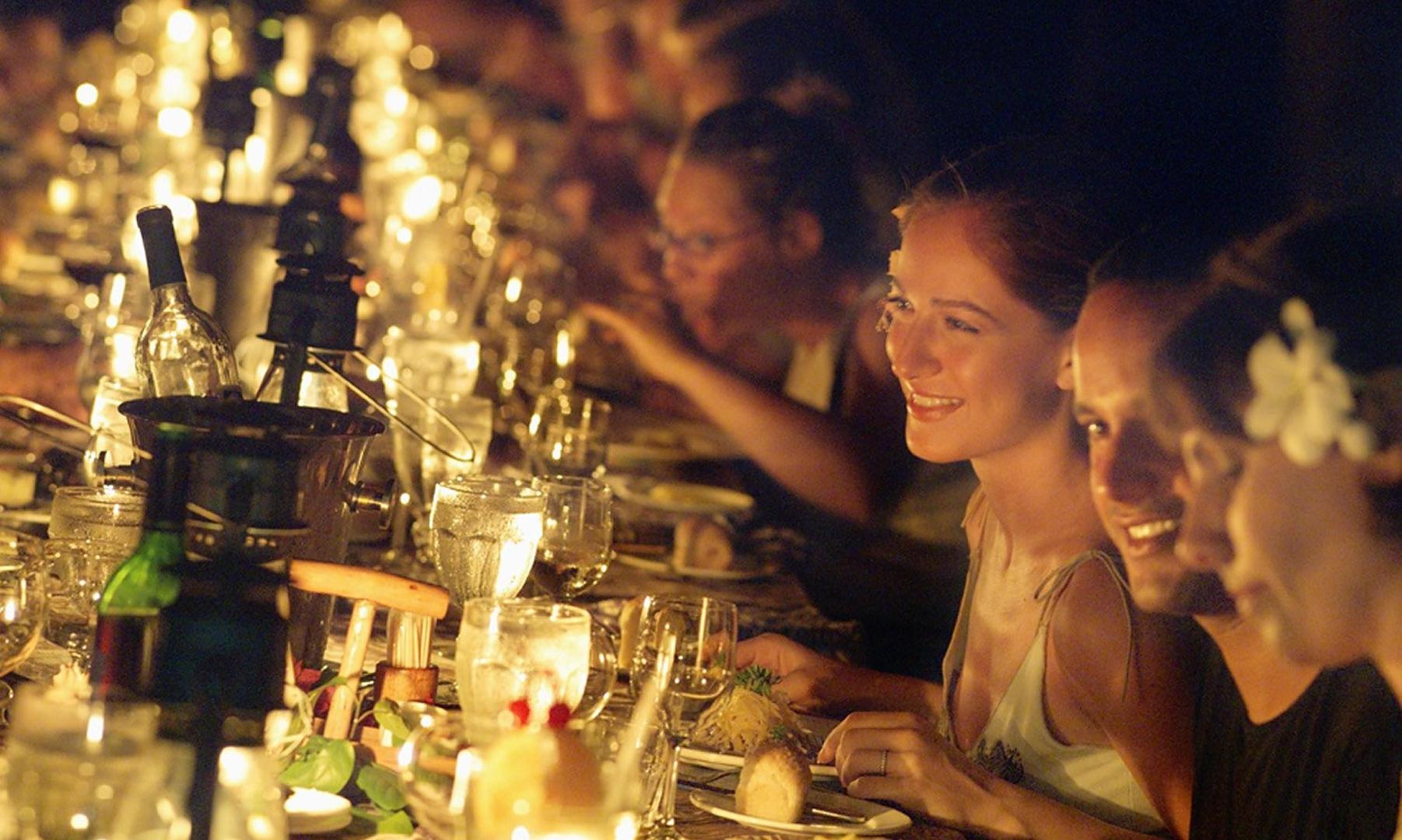
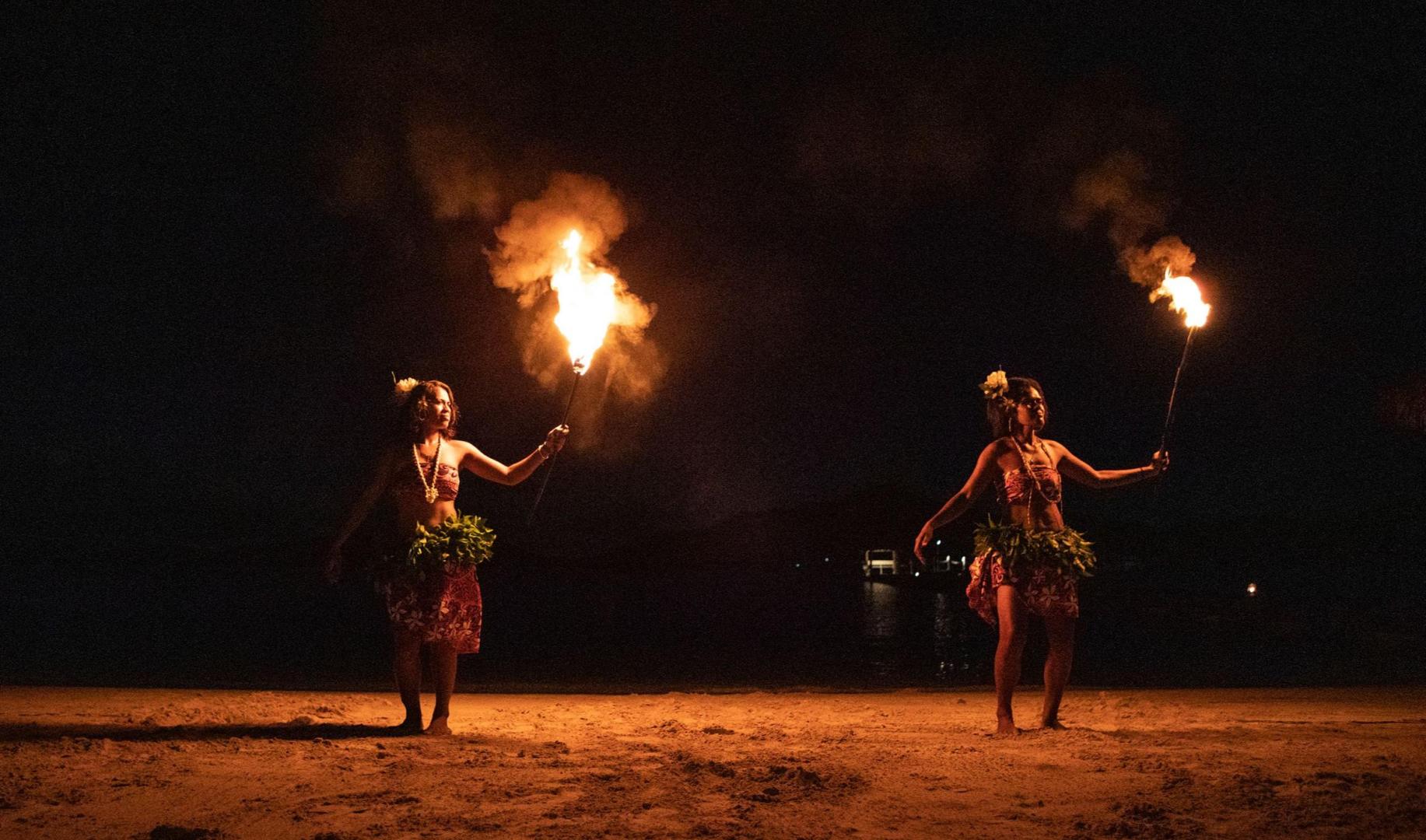
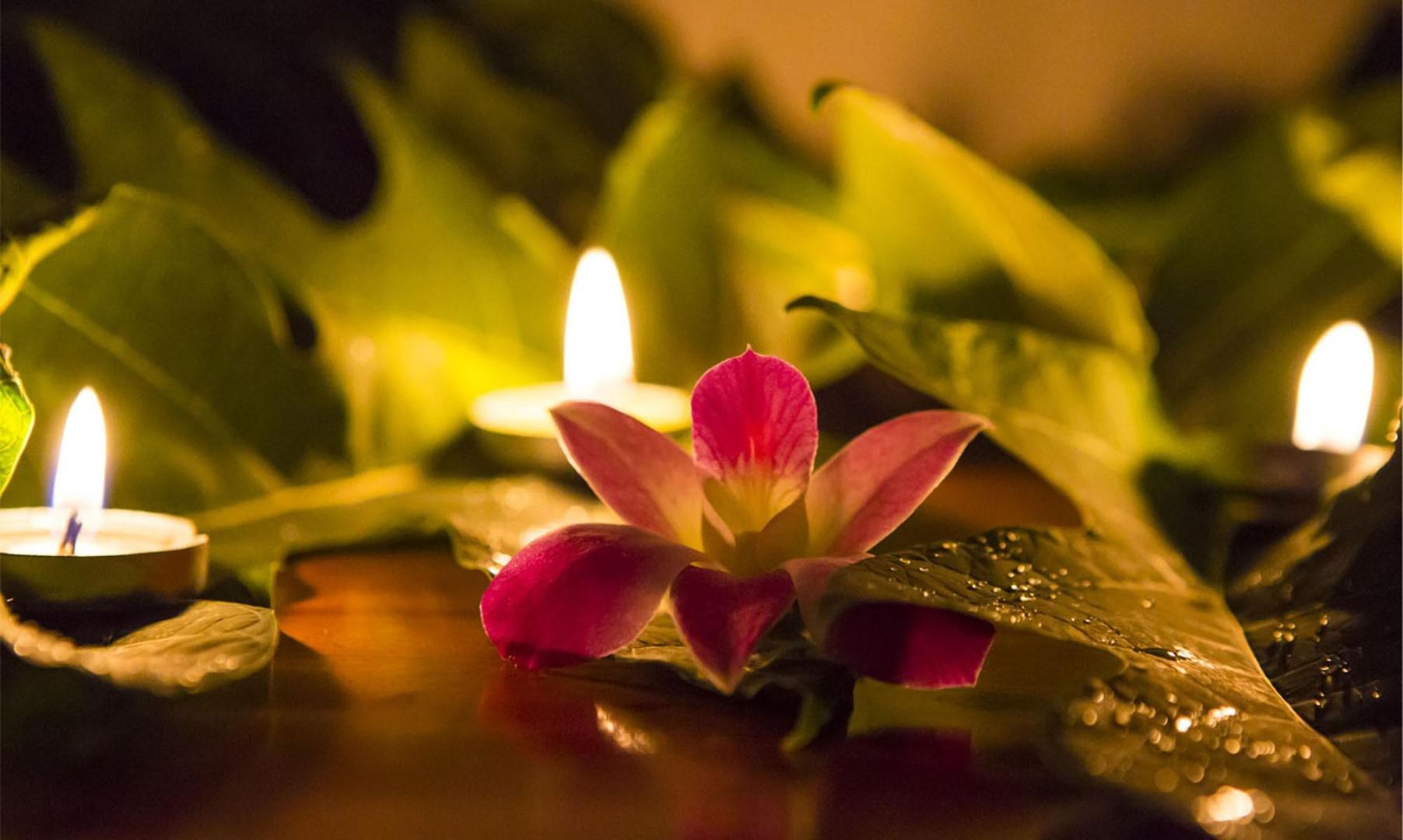
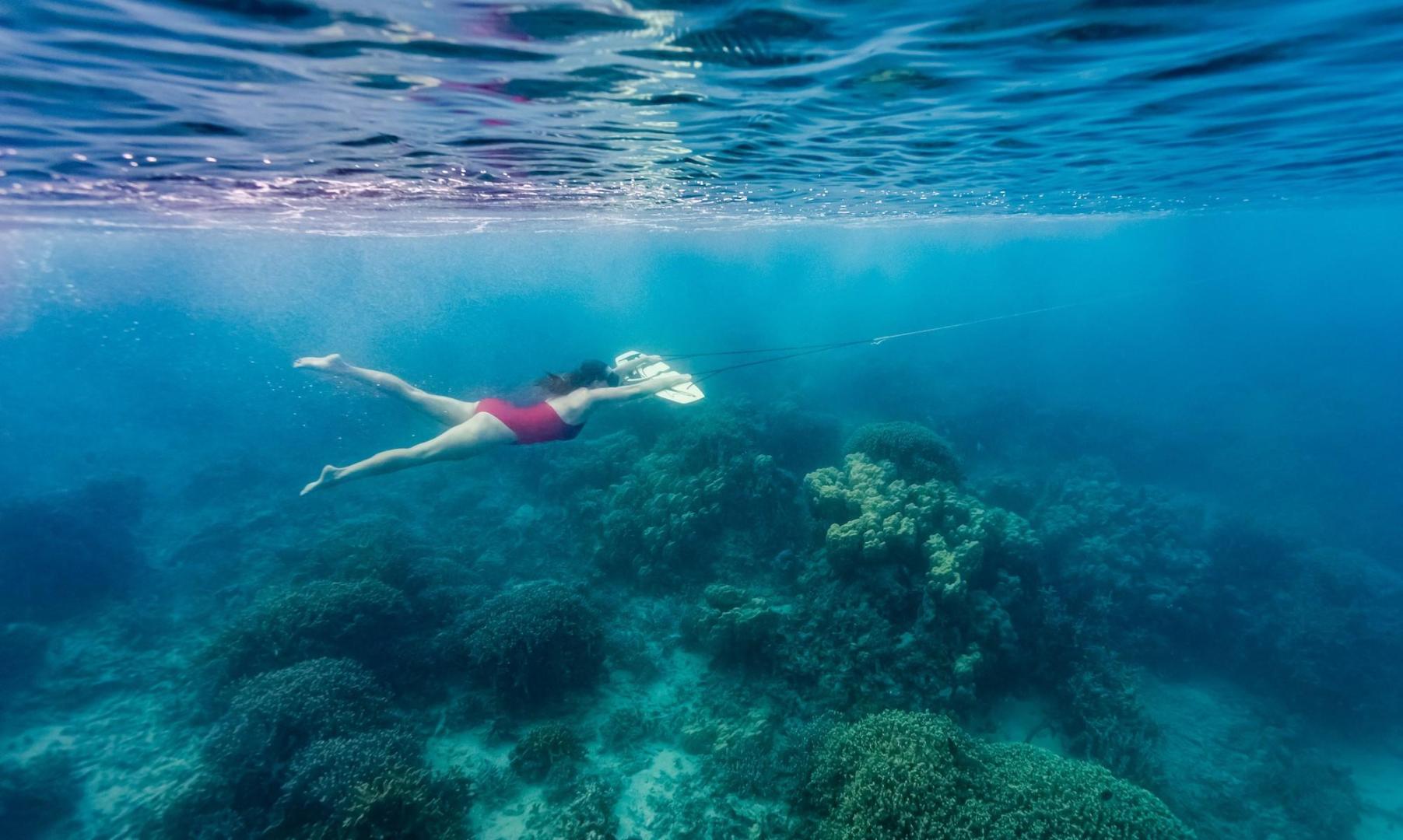
Dining moves around the island. There are communal dinner parties in the main dining area, private beach picnics, dinners served on a lantern-lit floating pontoon, mountain-top dinners, a traditional Fijian lovo, and sunset cruises on the lagoon — all cooked from island-grown produce and local seafood. On the water there are daily snorkelling excursions, reef fishing and sailing; certified divers receive a complimentary one-tank dive every day except Sunday. On land: horseback riding, mountain biking, archery, hiking and more than twelve kilometres of roads and trails. The Vonu Spa gives every guest two complimentary half-hour massages, and evenings bring meke, kava ceremonies and fire dancing. A pristine private beach is reserved for each couple every other day of the stay, and there is a small saltwater pool at the Cliff Point dining location. The island is deliberately quiet digitally — WiFi is available around the clock at the boutique and business lounge, and nowhere else.
Turtle Island in one document — photos, island facts, and regional background.
How Private Is This Island?
Fourteen couples on 500 acres is the whole arithmetic. At full house, twenty-eight guests share twelve beaches, more than twelve kilometres of trails and a lagoon frontage measured in miles — and the resort's own rhythm works against crowding, with a private beach reserved for each couple every other day and dining that can be taken on a pontoon, a mountain top or a beach of one's own. Nobody else can arrive: there are no day visitors, no public landing and no neighbouring resort on the island, and every arrival is a guest or staff transfer arranged by the resort. The island is adults-only for most of the year, opening to families only in the published Family Time periods. And for a party that wants the arithmetic reduced to one, the island buyout closes Turtle Island to everyone else — all fourteen bures, the full staff and the whole 500 acres for a single group of up to twenty-eight.
Getting There
Guests fly into Nadi International Airport, where the resort keeps an office and its reservations team arranges the onward transfer. The usual choice is the seaplane — about thirty minutes over the Mamanuca and Yasawa chains, landing on the water in front of the island. A speedboat takes about two hours and the catamaran ferry about four. Seaplane luggage is limited to 23 kilograms per person plus a small carry-on. Check-in is at 2:00 PM and check-out at 10:00 AM, with a day room held until the departure transfer; the minimum stay is five nights.
Sustainability
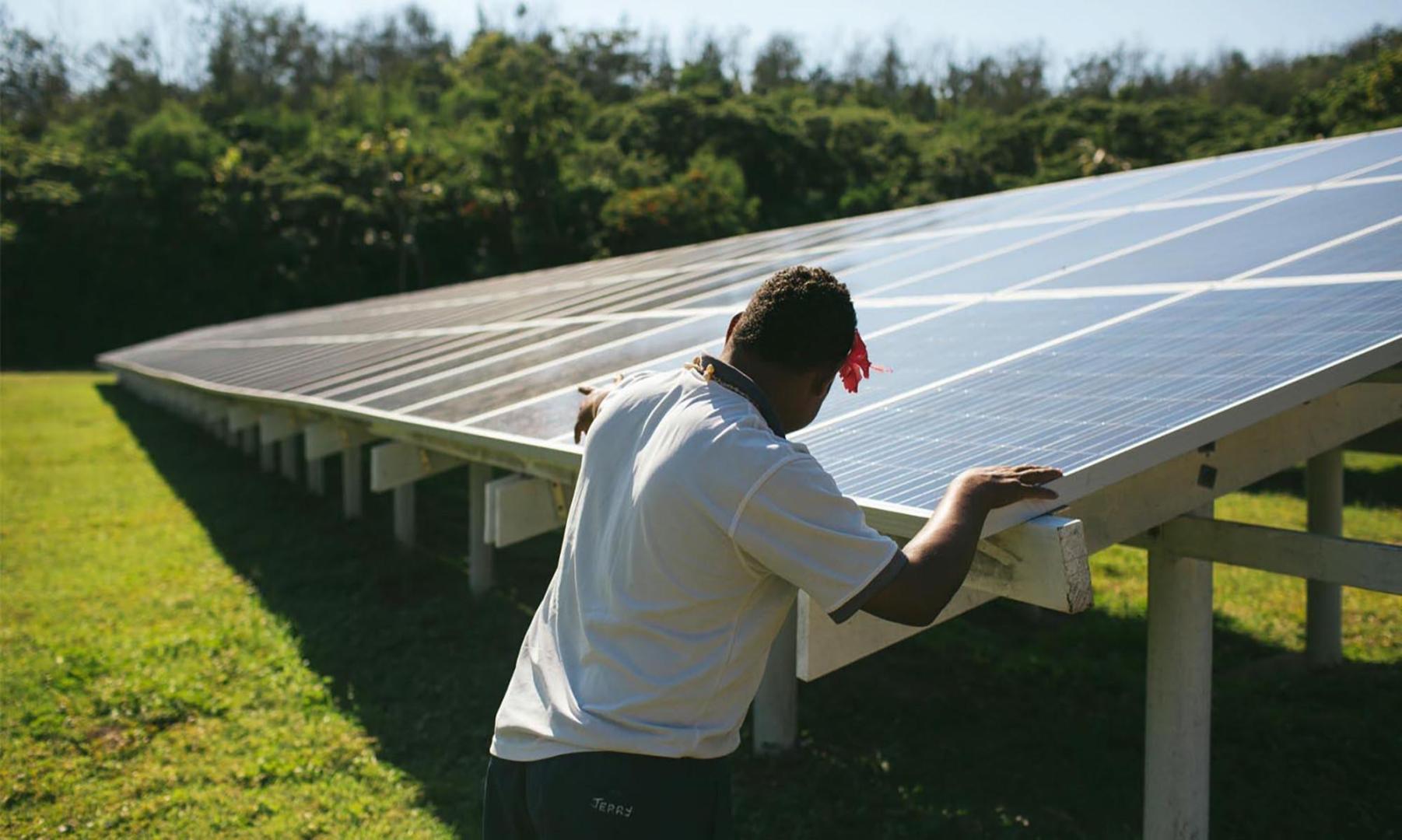
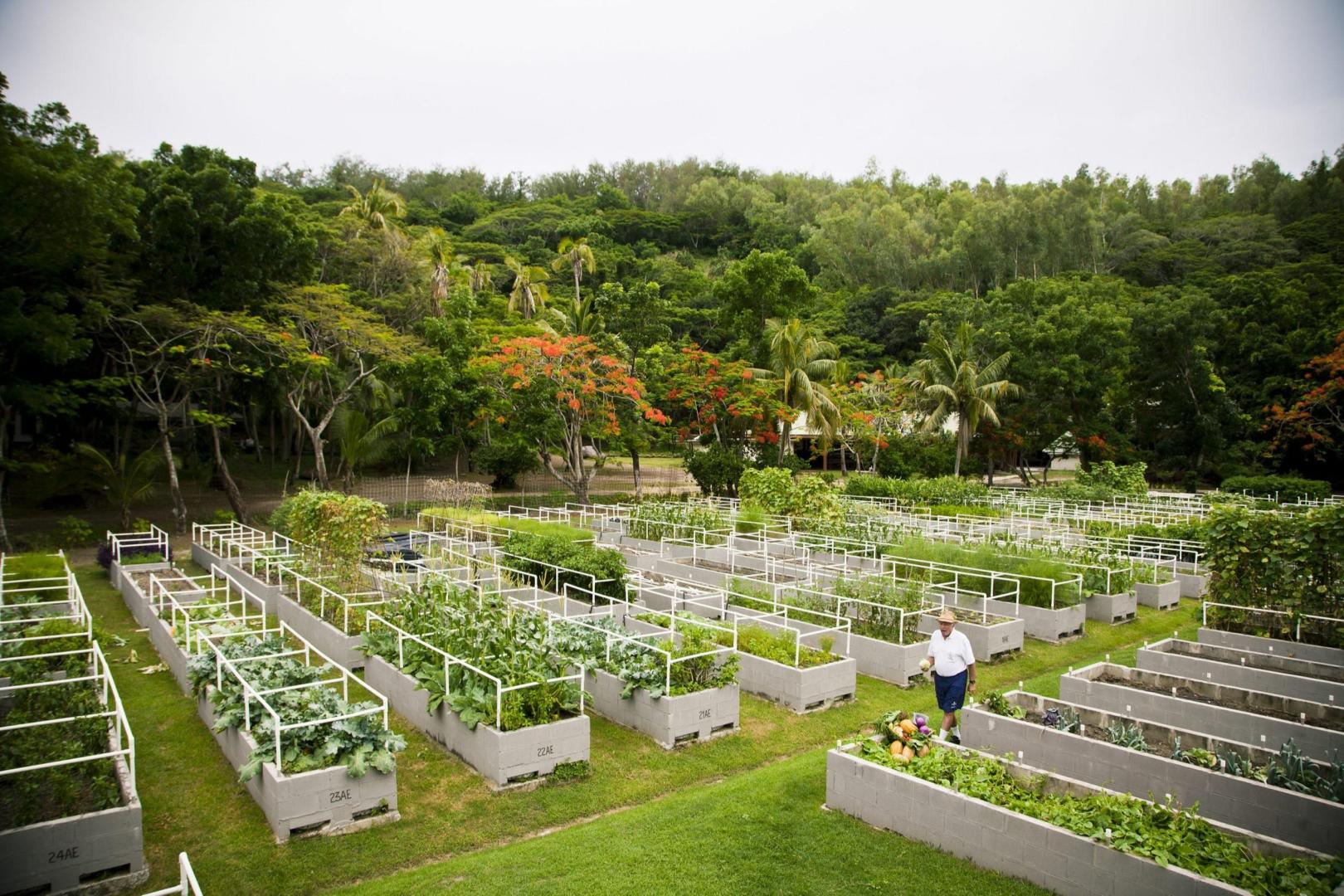
Turtle Island's forest is man-made. When Richard Evanson arrived in 1972 the island had been stripped barren by overgrazing goats; over the following forty years he and his team planted more than 500,000 trees — 100,000 of them mahogany — re-establishing the indigenous forest, holding the soil and shading the island's gardens, which now supply much of the kitchen's produce. A solar farm installed in 2013 powers the island, making it self-sufficient and independent of diesel, and the resort invites independent environmental audits of its operations. The island was named Green Hotelier of the Year in 2000, and its community programme supports the seven neighbouring Yasawa villages with health clinics, education initiatives and employment — including a solar-powered water pump donated to Naisisili village.


